 Whalesbook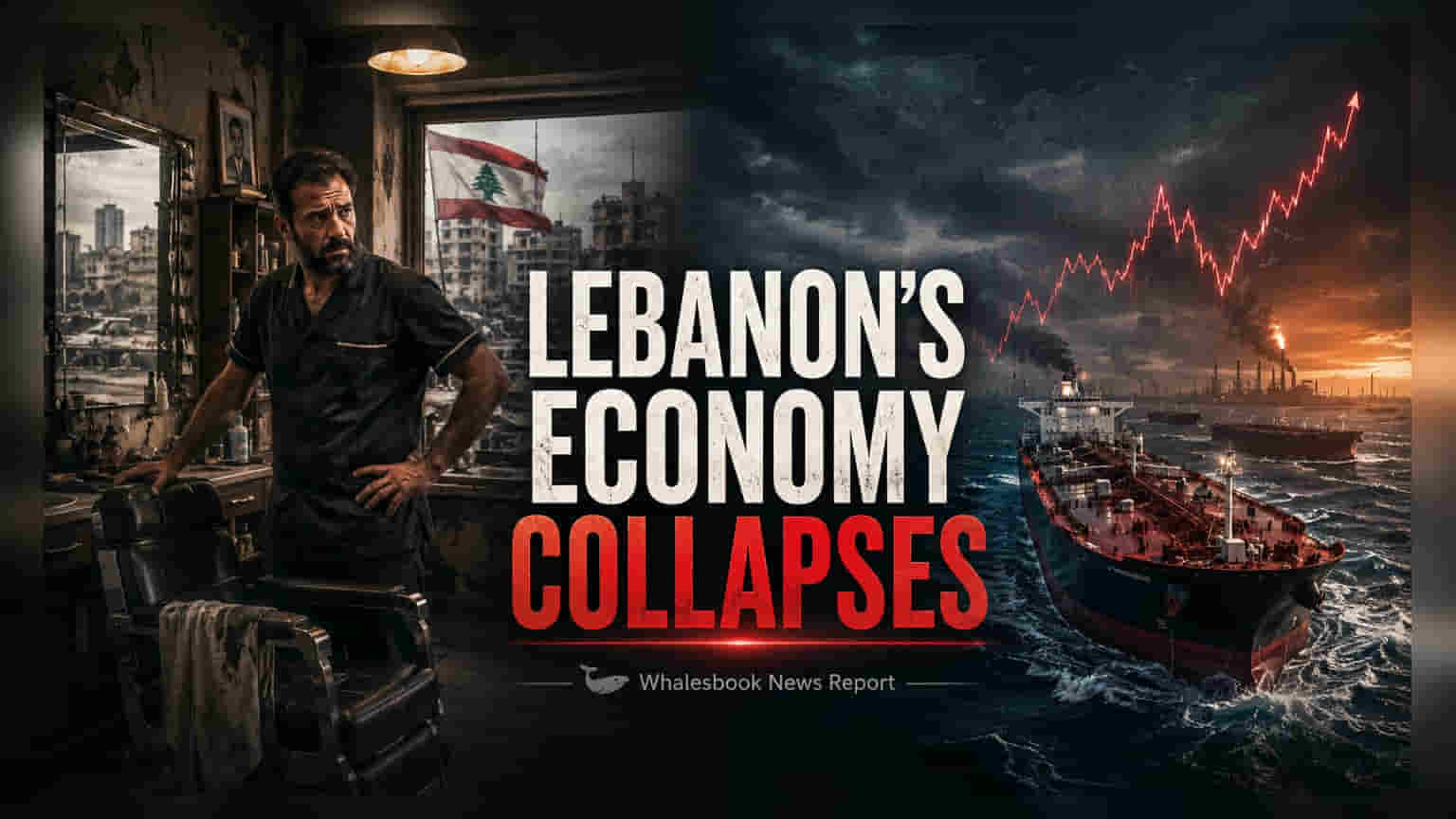


Lebanon's Economy Devastated by Renewed War and Global Fuel Crisis
Lebanon's economic outlook has drastically worsened, crippled by a confluence of renewed regional conflict and a global fuel crisis. The optimistic projections of modest GDP growth have evaporated, replaced by forecasts of zero expansion and an inflation rate at an 18-month high. This economic fragility is compounded by a series of pre-existing crises, including a severe banking collapse, the devastating Beirut port explosion, and widespread displacement.
Economic Rebound Eradicated
The World Bank's previous forecast of a 3.5 percent GDP growth for Lebanon in 2025 has been rendered obsolete. The intensification of regional hostilities, coupled with global oil supply disruptions, has decimated economic prospects. Inflation surged in March, prompting Bank Audi to predict zero GDP growth for 2026 if conflict persists. Despite mounting economic pressures, local businesses like barber Mario Habib in Beirut are struggling to absorb rising costs, with generator fuel prices and petrol doubling, and supermarket goods becoming more expensive. Habib continues to absorb these costs to retain his clientele.
Compounding Crises
The current conflict, which escalated on March 2, is the latest in a series of devastating events to hit Lebanon. A 2019 banking crisis devalued the currency by over 90 percent, followed by the catastrophic 2020 Beirut port explosion. These events, alongside deteriorating state services and significant emigration, weakened the nation's economic foundation. The conflict, which began in October 2023, has led to widespread displacement, with over 1.2 million people displaced since March 2024. Extensive damage has been reported across numerous villages and businesses in the Bekaa Valley and Beirut's southern suburbs.
Economic and Societal Fracture
Economists characterize Lebanon's current predicament as a "unique moment in economic history," marked by war following institutional collapse and a severe financial crisis. The World Bank estimated reconstruction and recovery costs from the conflict at $11 billion as of March 2025. Further assessments in late April placed war-related losses for 2026 at approximately $3 billion, a figure anticipated to increase substantially. Remittances, a critical income source for Lebanon, projected to drop from $6.6 billion in 2023, are further threatened by rising global oil prices, which have increased by approximately 65 percent since March, impacting flows particularly from GCC countries.
Politically, the conflict is exacerbating internal societal divisions, a tactic that analysts suggest is intentional. The displacement crisis disproportionately affecting Lebanon's Shia community is fueling sectarian tensions as these populations integrate into new areas. Economists caution that political elites may leverage these divisions by attributing economic hardship to displaced populations, echoing past patterns observed with Syrian and Palestinian refugees.