

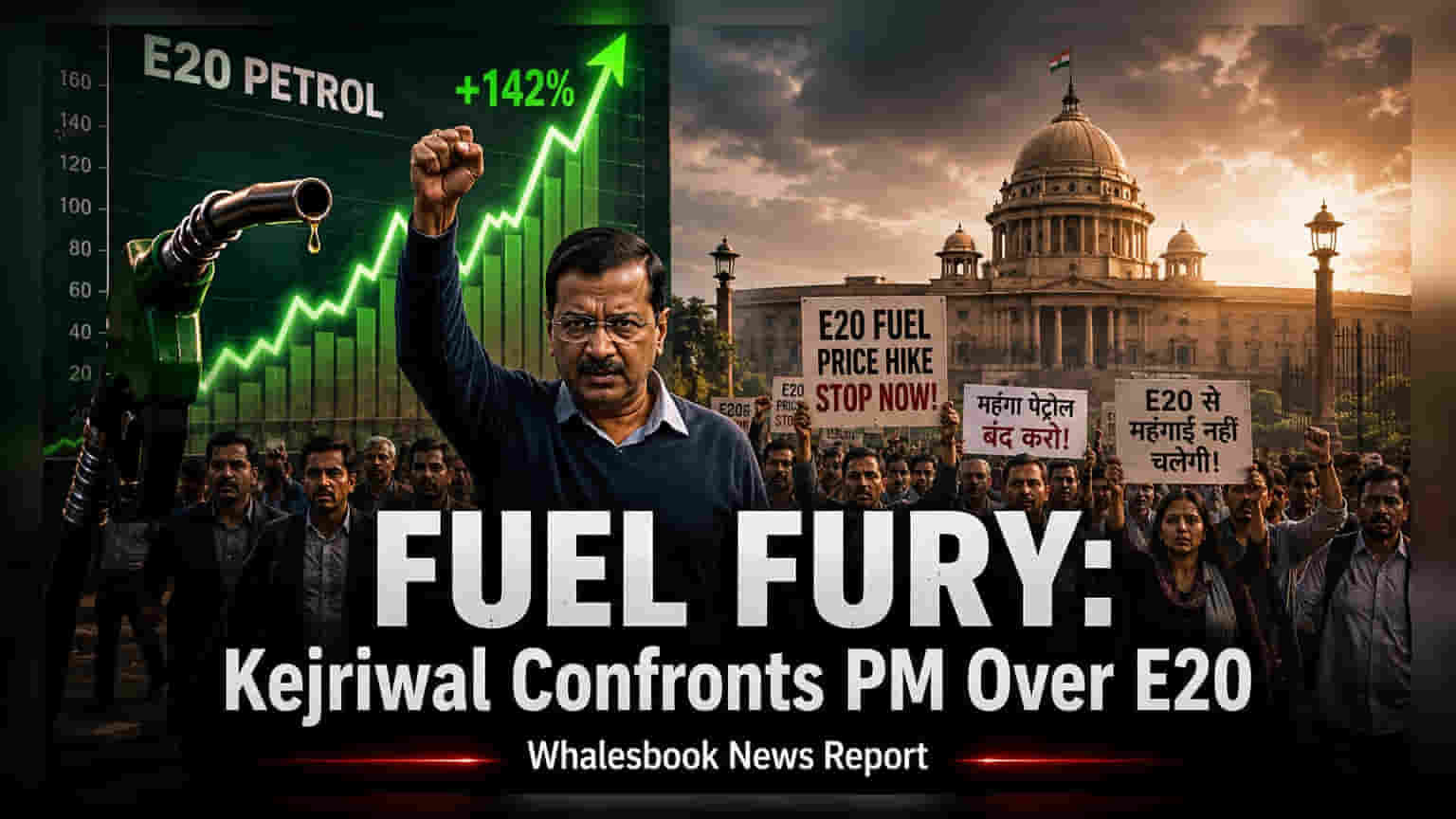
Delhi Chief Minister Arvind Kejriwal is leading a protest to the Prime Minister’s residence to demand a review of E20 ethanol-blended petrol policies. The protest follows an online petition campaign that gathered over 233,000 signatures from citizens concerned about vehicle performance and fuel pricing. Investors tracking oil marketing companies may monitor if policy shifts impact fuel blending targets.
Delhi Chief Minister Arvind Kejriwal has announced a march to the official residence of Prime Minister Narendra Modi on Tuesday to voice concerns regarding the national push for E20 ethanol-blended petrol. The demonstration, involving 100 supporters, aims to deliver petitions signed by over 233,000 citizens. The campaign highlights public grievances concerning potential impacts on vehicle engines and calls for a re-evaluation of fuel pricing structures.
Impact on Ethanol Blending Targets
The Indian government has been aggressively pursuing its Ethanol Blended Petrol (EBP) program to reduce crude oil imports and manage the trade deficit. State-run oil marketing companies, including Indian Oil Corporation, Bharat Petroleum, and Hindustan Petroleum, have been instrumental in upgrading infrastructure to distribute E20 fuel—a blend of 20% ethanol and 80% petrol. For these companies, the EBP program is a strategic priority that influences their operating margins and capital spending on refinery infrastructure. If the ongoing protests or political pressure lead to a slowdown in the blending rollout or a demand for dual-fuel options at pumps, it could impact the timeline for meeting national blending targets.
Allegations and Regulatory Context
During his announcement, Kejriwal alleged that the central government’s accelerated ethanol rollout is influenced by external pressure to procure ethanol, though no official government response has confirmed these claims. The Aam Aadmi Party (AAP) has demanded that fuel stations offer both pure petrol and E20 blends to provide consumer choice. The protest follows an earlier letter sent by the Delhi Chief Minister to the Prime Minister’s office, which requested a formal dialogue on the technical and economic implications of the current fuel policy.
Investor Monitorables
Investors in the energy and automotive sectors should track official responses from the Ministry of Petroleum and Natural Gas regarding the EBP program's progress. While the current agitation is focused on consumer concerns, the primary monitorable for the market is whether the government modifies the mandatory blending schedule or adjusts the pricing mechanism for ethanol. Any shift in policy could affect the profitability of sugar mills, which act as primary ethanol suppliers, as well as the operational requirements for oil marketing companies. The ability of the government to balance its import reduction goals with public feedback on fuel quality and vehicle compatibility will be a key factor in the long-term execution of the ethanol roadmap.