 Whalesbook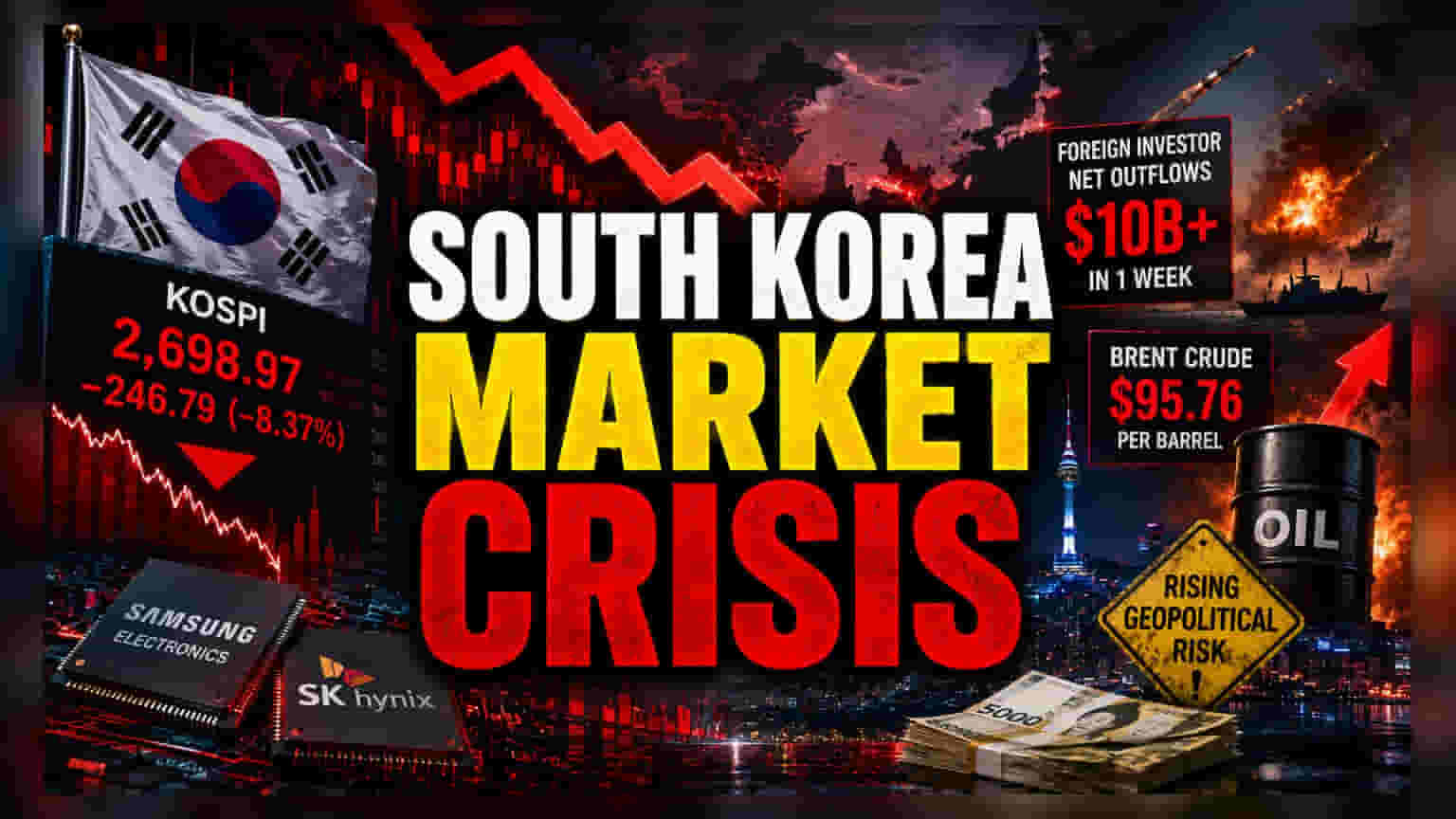


The Valuation Correction
The abrupt downturn in South Korean equities marks a violent reversal for a market that had recently been propelled to record highs by an AI-centric semiconductor frenzy. The KOSPI's descent, which saw the index drop 8.37% intraday, underscores the fragility of a rally built heavily upon the concentration of two firms: Samsung Electronics and SK Hynix. Together, these giants account for over half of the index's weight, making the broader market intensely vulnerable to sector-specific pivots. Unlike more diversified markets, the KOSPI’s performance this year—upwards of 800% from 500-day lows for these chip manufacturers—had created a crowded trade that lacked underlying breadth.
The Macro Catalyst
Market participants are recalibrating their expectations following the U.S. Bureau of Labor Statistics' May employment report, which revealed nonfarm payroll gains of 172,000, significantly outstripping forecasts. This data, coupled with persistent inflationary pressures stemming from the Iran-Middle East conflict, has dismantled the prevailing narrative of imminent Federal Reserve rate cuts. Institutional sentiment has shifted, with major analysts now projecting a prolonged pause or even potential hikes in borrowing costs, directly threatening the valuations of high-growth technology companies that rely on cheap capital to fund capital-intensive chip production.
Geopolitical Risk Premium
Energy markets are reflecting the intensified instability in the Persian Gulf. Brent crude futures have climbed to approximately $95.76 per barrel, a response to renewed strikes and threats targeting key shipping lanes like the Strait of Hormuz. While some market analysts point to tentative diplomatic delays—facilitated by U.S.-brokered channels—as a reason for cautious optimism, the persistent upward pressure on energy prices remains a primary driver of global stagflation fears. For import-dependent Asian economies, this persistent elevation in crude pricing acts as a structural drag on corporate margins, further discouraging long-term capital commitment to risk-on assets.
The Forensic Bear Case
The current volatility is exacerbated by a significant shift in foreign investor positioning, with over $10 billion in net outflows from South Korean equities reported in just the past week. Concerns regarding the 'chaebol' structure and the historical trust gap between minority shareholders and family-controlled conglomerates remain a lurking issue, even during bull markets. Furthermore, the reliance on retail leverage—with credit transaction loans having hit record levels recently—creates a dangerous feedback loop. As prices fall, forced liquidations and margin calls can accelerate a downward spiral that is detached from the fundamental demand for AI memory chips. Investors should remain wary that this correction is not merely a temporary dip but a repricing of risk in an environment where easy-money tailwinds have decisively turned into headwinds.