 Whalesbook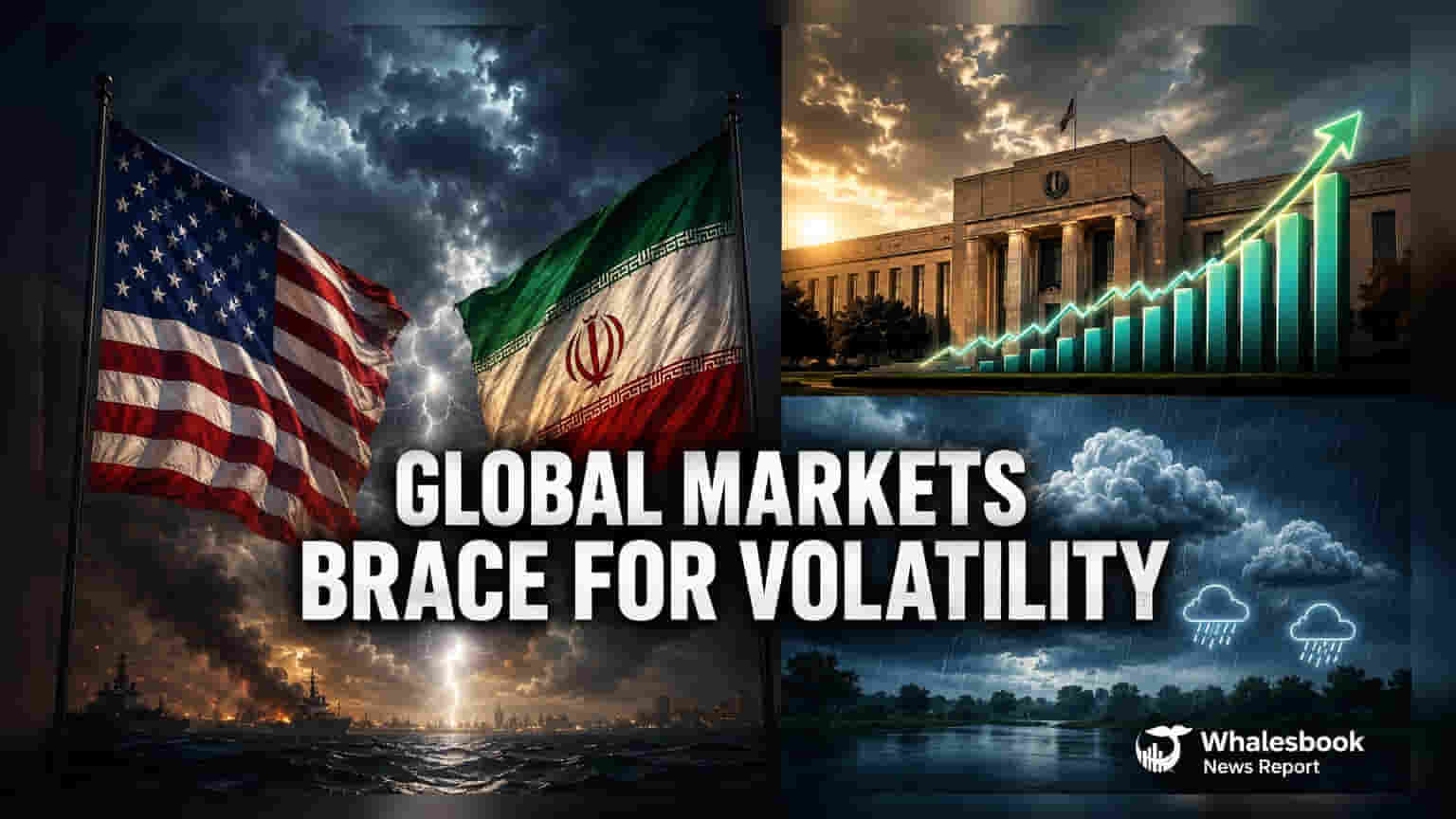


The Macroeconomic Pressure Cooker
The current financial environment is defined by a delicate balance between geopolitical risk premiums and domestic monetary tightening. While the market continues to grapple with the fallout of the ongoing US-Iran standoff, the primary concern remains the pass-through effect of elevated crude oil prices into the domestic economy. The sustained increase in petrol and diesel costs is not merely a retail concern; it is a fundamental headwind for corporate margins, particularly within the logistics and transportation sectors, which have yet to fully absorb the cumulative price hikes seen over the past fortnight.
The RBI Policy Dilemma
Market participants are closely observing the Reserve Bank of India’s upcoming Monetary Policy Committee sessions. With the benchmark repo rate currently stationed at 5.25 percent, Governor Sanjay Malhotra faces an environment significantly different from the previous cycle. Inflationary pressures, fueled by supply-chain uncertainties and rising energy inputs, suggest that the central bank may adopt a hawkish tone despite the necessity of supporting growth. Any departure from the prevailing neutral stance could trigger a repricing of debt instruments, adding another layer of volatility to an already jittery equity market.
Analytical Deep Dive: The IPO Landscape
The debut of CMR Green Technologies and Hexagon Nutrition comes at a precarious time for primary markets. Historically, IPOs launching during periods of heightened geopolitical volatility often struggle with subscription fatigue. Because both offerings consist entirely of an offer for sale, they represent a liquidity event for existing stakeholders rather than capital infusion for the companies themselves. Investors must weigh the potential for institutional demand against the broader macroeconomic instability that tends to compress valuation multiples during weak market phases.
The Forensic Bear Case
The convergence of these factors creates a structural risk for portfolios that are overly exposed to cyclical industries. A major area of vulnerability lies in the potential for stagflationary signals in the upcoming US employment data. If the May jobs report shows a continued deceleration in payroll growth—following the April slowdown to 115,000 new positions—the market may question the resilience of consumer spending. Furthermore, companies in the oil-marketing sector face significant margin compression as they attempt to balance political pressure to keep domestic prices stable against the reality of unhedged crude import costs. Any further escalation in the US-Iran situation risks pushing energy prices beyond the threshold that current corporate balance sheets can accommodate without seeing a material decline in bottom-line profitability.