

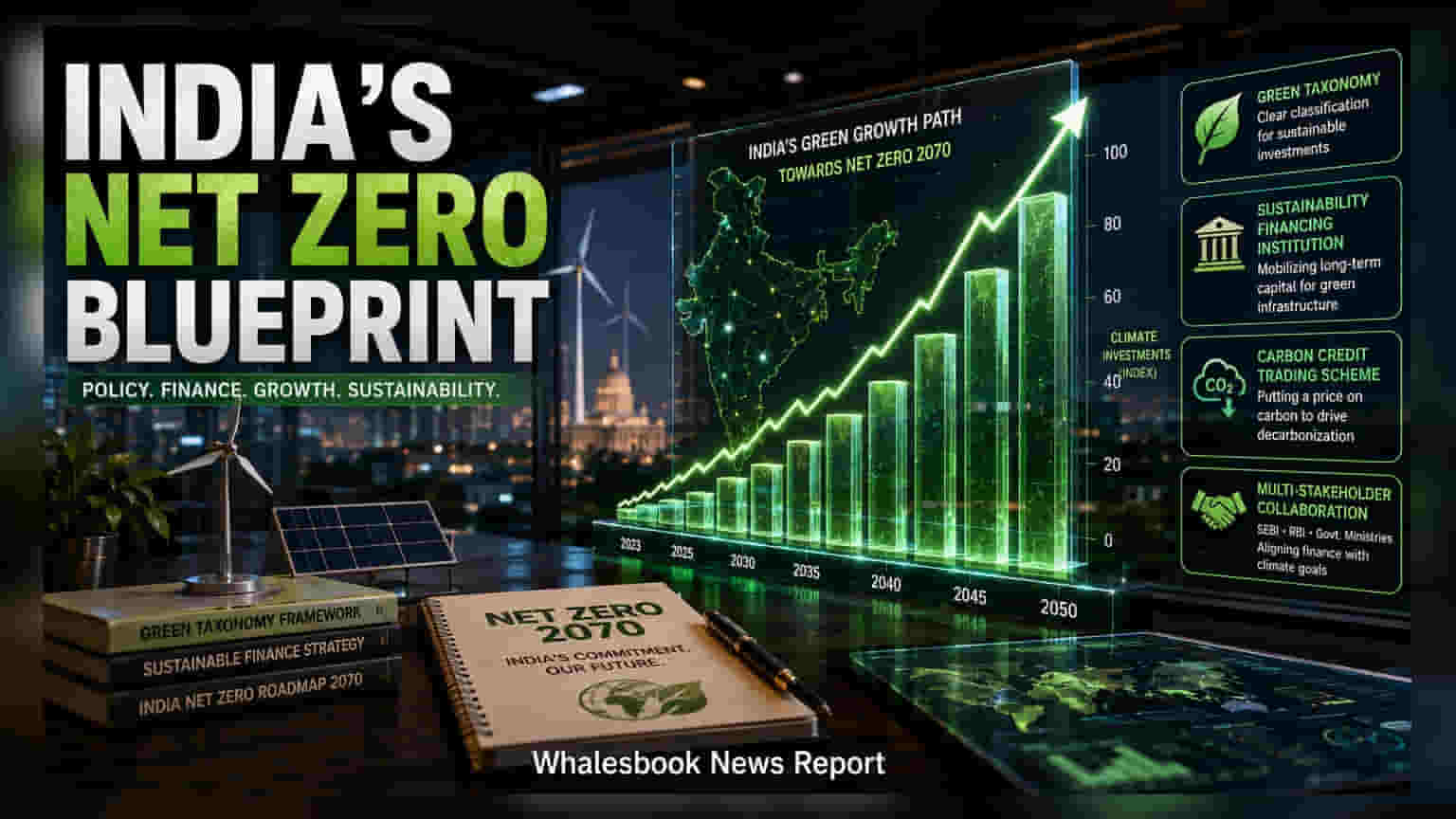
Jayant Sinha has urged for a structured green taxonomy and a dedicated sustainability financing institution to guide capital into India’s net-zero transition. These proposals aim to provide clear definitions for "green investments," helping investors de-risk projects. The push comes as India expands its carbon markets and works to align financial regulations with long-term climate goals.
At the 21st CII Global Sustainability Summit in New Delhi, Jayant Sinha, Chairman of the CII India Sustainability Taskforce, outlined a policy roadmap for India's transition to a net-zero economy. He emphasized that for India to mobilize the necessary capital, the country requires a formal green taxonomy and a specialized institution focused on sustainability financing.
A green taxonomy is essentially a standardized classification system that defines which economic activities qualify as sustainable. Currently, the lack of a finalized national taxonomy creates a blind spot for fund managers and institutional investors. By creating a clear, official definition of what counts as a green investment, the government can help reduce ambiguity. This clarity is essential for de-risking projects, as it allows investors to allocate capital with greater confidence that their investments align with recognized climate standards.
Alongside the need for classification, Sinha advocated for a dedicated sustainability financing institution. Traditional banking systems are often optimized for short-to-medium-term lending, whereas many large-scale green infrastructure projects require long-term, patient capital. A specialized financing body could act as a vital bridge, providing credit and financial support to projects that might otherwise face difficulties securing funding through conventional commercial channels.
This call for institutional change arrives as India continues the roll-out of its national compliance carbon market, known as the Carbon Credit Trading Scheme. Institutionalizing a price for carbon is viewed as a primary driver to incentivize private companies to accelerate their decarbonization efforts. Sinha noted that the success of these initiatives will depend on a multi-departmental approach, requiring close coordination between the Securities and Exchange Board of India (SEBI), the Reserve Bank of India (RBI), and various government ministries to integrate these sustainability standards into the broader financial system.
Sinha also addressed concerns that environmental regulations might hinder India's economic growth. He rejected the idea of a trade-off, arguing that sustainability investments are an efficiency driver that can spur job creation and long-term economic stability. For investors and market observers, the next important update to monitor will be how the government integrates these proposals into formal regulatory policy, specifically regarding the finalization of taxonomy guidelines and their impact on reporting standards for both large firms and eventually smaller enterprises.