 Whalesbook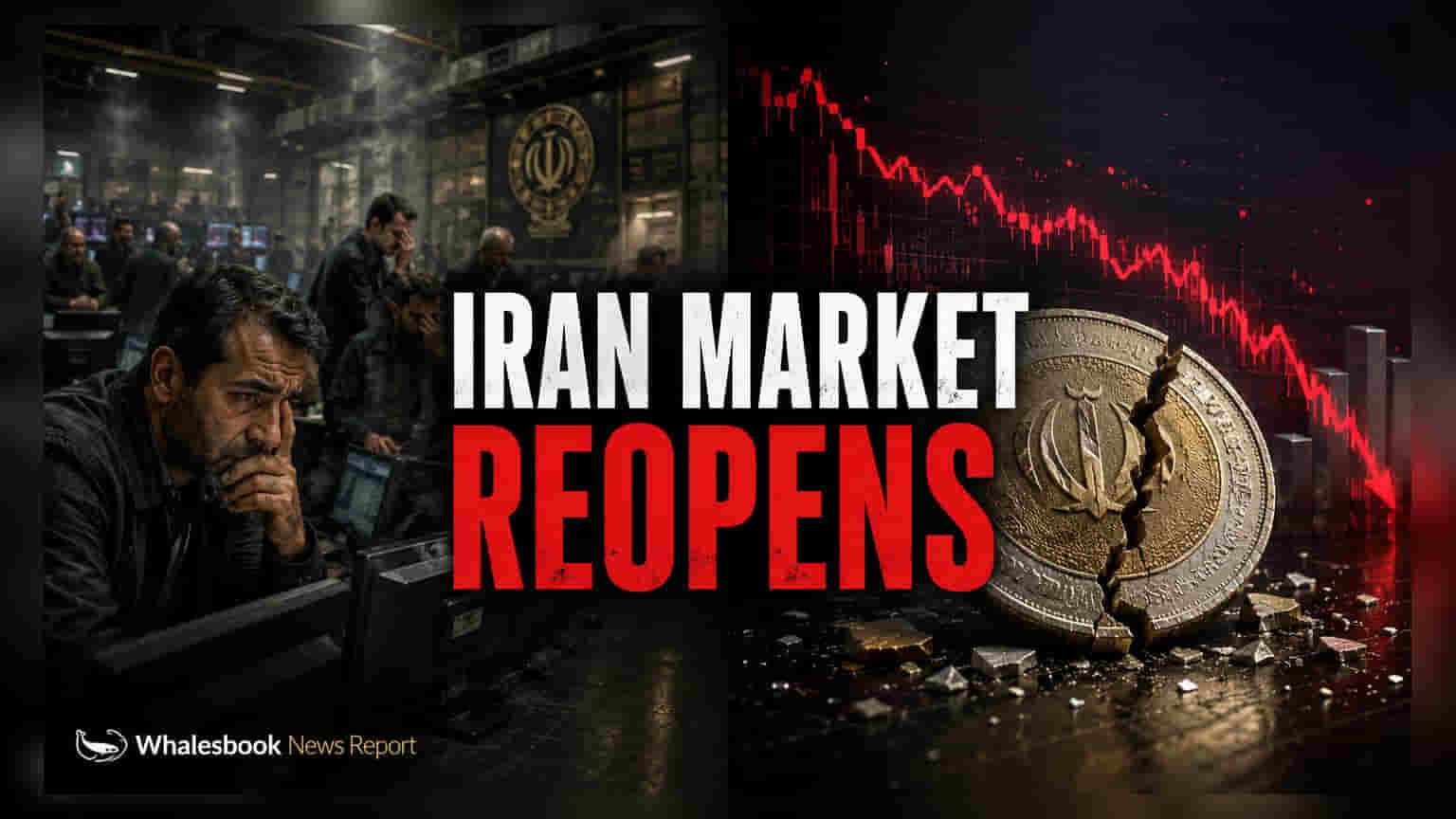


Resumption Amidst Lingering Uncertainty
The Tehran Stock Exchange has ended an 80-day closure, but the reopening is not yet complete. Around 36% of key market players, including major petrochemical and steel companies, are still suspended due to war-related damages or disclosure requirements. Trading hours were extended by one hour to aid the process, but questions remain about the actual condition of corporate facilities and production levels amid ongoing security challenges. The total financial activity in the market is still less than that of the banking sector, making its performance a key indicator of investor sentiment.
Economic Challenges Weigh Heavily
Investor confidence is fragile, heavily influenced by inflation that surpassed 70% in late April. While the falling Iranian rial theoretically helps export-focused firms by increasing their local currency earnings, trade disruptions and operational issues for exporters cast doubt on long-term benefits. The government faces a significant budget deficit, limiting its ability to tackle the economic crisis. Proposed relief measures like subsidies and e-coupons offer little support, and potential import restrictions aimed at controlling inflation could further hinder recovery efforts.
Deep-Rooted Issues and Future Risks
Even before the recent conflict, Iran's economy was burdened by years of sanctions, mismanagement, and corruption. The current situation exacerbates existing strains on a vulnerable system rather than being an entirely new shock. The International Monetary Fund forecasts a 6.1% contraction for Iran's economy in 2026, with inflation projected at 68.9%. The reliance on export-oriented companies, which are currently offline, reveals a structural weakness. Additionally, smaller brokerage firms are struggling, with many traders affected by expired credit lines, leading authorities to temporarily halt aggressive margin calls. The risk of renewed conflict or ongoing geopolitical tensions could lead to hyperinflation if open conflict were to reignite. A peace agreement between the United States and Iran is seen as the most crucial factor that could significantly change the market's outlook.
Limited Recovery Prospects Amid Global Volatility
Some economists view the market's recovery as a symptom of the economy's severe state rather than genuine positive sentiment. Although the main TEDPIX index has shown minor gains, the weak market breadth, with only 28% of listed stocks trading positively at the reopening, points to widespread weakness. The conflict's impact on global energy markets, especially concerning the Strait of Hormuz, has caused major supply disruptions and price swings, adding more uncertainty for Iran's export-dependent industries. The effectiveness of international sanctions and whether China continues its oil purchases are critical factors affecting Iran's economic resilience.