 Whalesbook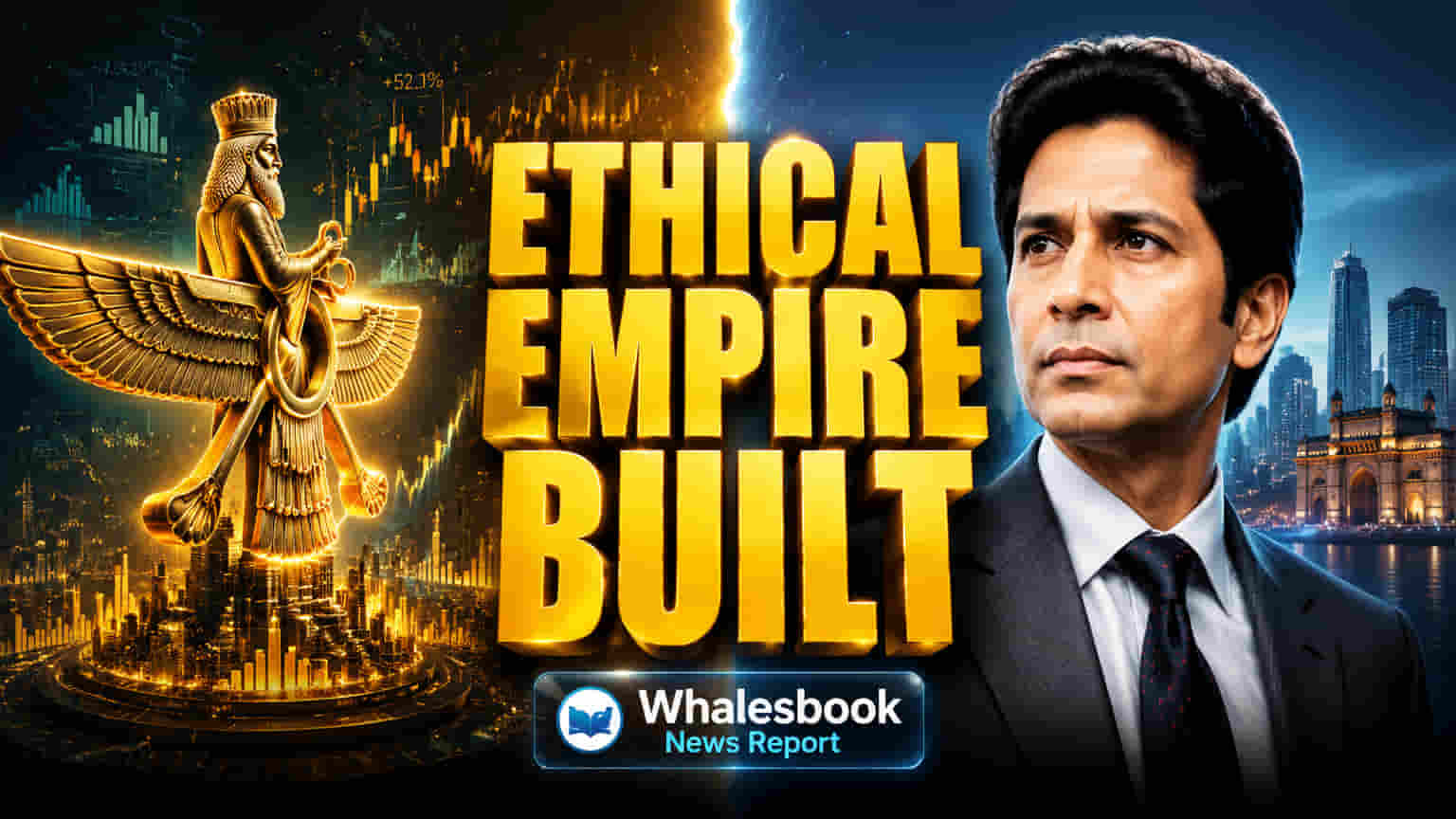


The Power of Integrity in Business
Piruz Khambatta, Chairman and CEO of Rasna, proposes that core ethical principles are not just corporate buzzwords but actual economic drivers. His book, 'Ashoi,' explains how ancient Zoroastrian tenets of integrity, purity, and righteousness have historically supported the substantial wealth and enduring institutions created by India's Parsi community. This view challenges the current startup culture's focus on high valuations, often disconnected from underlying business value.
Building Value Through Trust
Khambatta argues that trust, far from being a 'soft value,' acts as a valuable economic asset. This trust, built on consistent honesty and ethical conduct, leads to real financial benefits. Companies that uphold these principles often experience lower transaction costs, stronger customer loyalty, and better talent retention. The Tata Group, for instance, has leveraged its deep-seated trust to expand into diverse sectors, becoming India's most valuable brand. Similarly, the Godrej Group, founded in 1897, has built a strong presence across various industries by emphasizing reliability. This long-term value creation, grounded in reputation, contrasts sharply with the speculative nature of some startup valuations.
Parsi Legacy: A Foundation for Lasting Wealth
India's Parsi community, though a small group, has significantly shaped the nation's economic landscape. They pioneered industries from cotton mills and banking to aviation. Parsi business houses like Tata, Godrej, Wadia, Shapoorji Pallonji, and Poonawalla represent institutions worth hundreds of billions, built not only on profit but also on a commitment to social purpose and philanthropic trusts. This combination of business skill and community contribution fosters institutions that last for generations, creating both social and financial capital.
A New Fund to Foster Integrity-Led Businesses
To promote this approach, Khambatta announced a ₹100 crore startup fund, to be established with an upcoming Zoroastrian Chamber of Commerce. This fund aims to provide equity capital and mentorship to entrepreneurs across all communities, focusing on building successful businesses. This model is inspired by initiatives like the World Zarathushti Chamber of Commerce (WZCC), which offers interest-free finance and mentorship, having supported numerous global ventures. The fund intends to invest as partners, aligning with Khambatta's vision for enduring enterprises rooted in ethical discipline and long-term thinking.
Real-World Challenges to the Ideal
However, real-world challenges can test even the most principled businesses. Piruz Khambatta's own company, Rasna Private Limited, reported operating revenues between INR 100 crore and 500 crore for the fiscal year ending March 31, 2024, with some reports listing ₹24.7 crore. Significantly, Tofler data indicates that Rasna was 'Under CIRP' (Corporate Insolvency Resolution Process) as of February 2026. This situation highlights that market pressures or operational issues can lead to financial difficulties, regardless of a company's ethical foundations.
Godrej Group's Growth Ambitions
Similarly, the Godrej Group aims for ₹5 lakh crore in market capitalization by 2031, driven by a new brand identity and growth strategy. However, this ambition faces challenges. Analysts note high debt levels, low returns on equity, and recent quarterly losses, leading some to issue 'Strong Sell' ratings for certain group entities. The group's ability to translate its brand legacy and strategic shifts into lasting market value amidst these financial strains is under observation.
Valuation vs. True Value Creation
This highlights the ongoing debate Khambatta raised: integrity-driven value versus speculative valuation. The startup world continues to wrestle with balancing rapid valuation growth against building real, sustainable business value. Some critics argue that an intense focus on valuation can lead to unsustainable models where perceived worth disconnects from operational and financial health. While integrity-based businesses like Tata show a long-term financial advantage, achieving this involves navigating challenges, as demonstrated by the financial situations of Rasna and Godrej.
Navigating Today's Markets
While ancient ethical frameworks provide a strong moral guide, applying them for consistent financial success in today's competitive global markets is challenging. Integrity-driven businesses face tests from intense competition, regulatory changes, economic downturns, and shifting consumer habits. The Parsi legacy shows that ethical foundations can build significant long-term value, but today's financial climate demands operational discipline, strong financial management, and strategic adaptability to ensure lasting success for any enterprise.
Looking Ahead
Piruz Khambatta's message to integrate integrity as a key economic asset is timely, especially in an era valuing authenticity and long-term sustainability. The success of companies like Tata shows the significant economic benefits of trust and ethical governance. However, recent financial reports from companies like Rasna and Godrej highlight that while principles are crucial, strong execution, sound financial management, and adaptability are essential to achieve lasting commercial success in today's complex economy.