 Whalesbook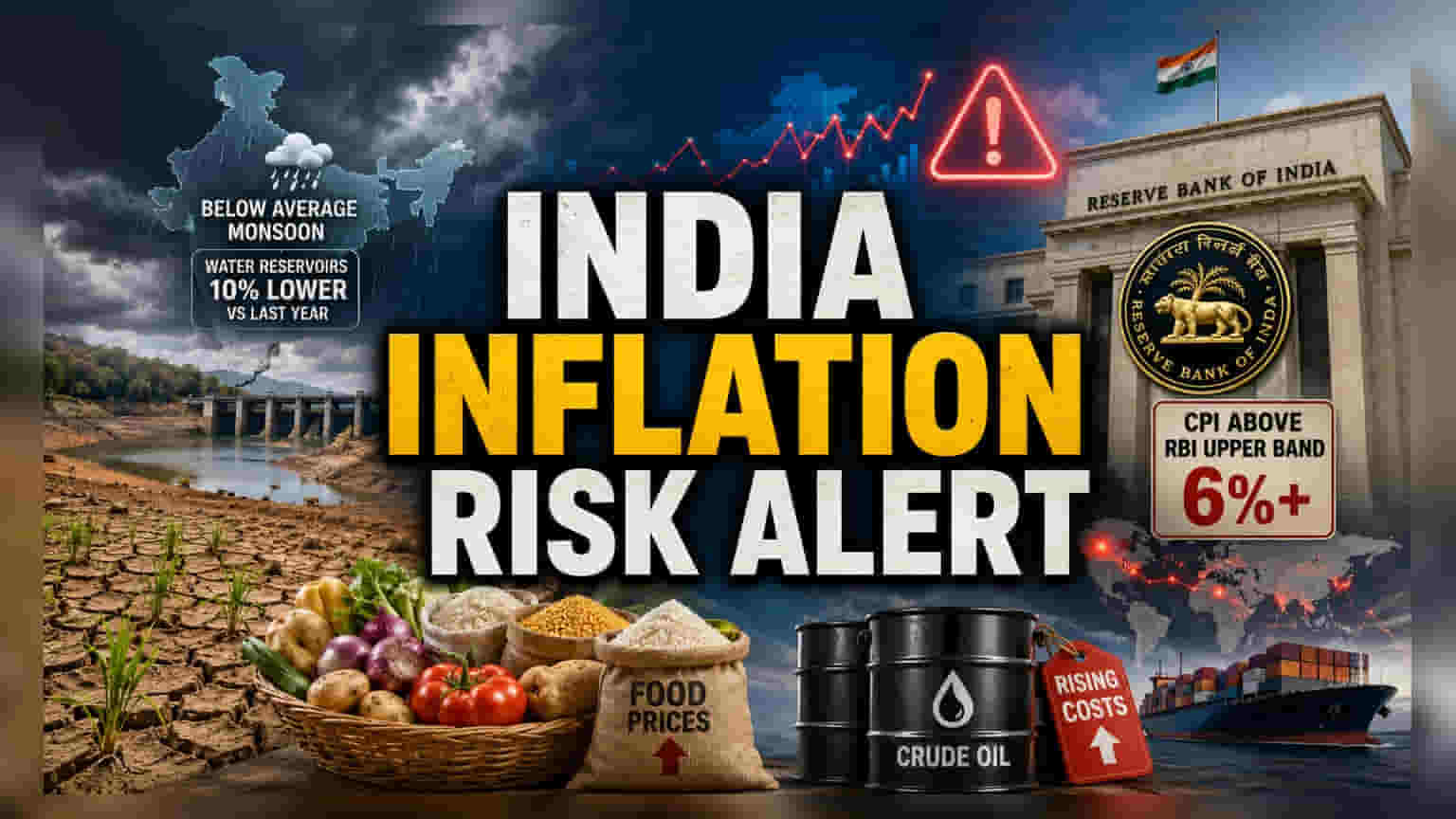


A recent brokerage report warns that India’s inflation could breach the Reserve Bank of India's 6% upper limit in the second half of fiscal year 2026-27. Driven by monsoon concerns and global supply chain disruptions, this potential rise could influence future interest rate decisions. For investors, this creates uncertainty around corporate profit margins and consumer spending power in the coming months.
What Happened
Recent analysis indicates that inflationary pressures in India may intensify, potentially pushing the Consumer Price Index (CPI) above the Reserve Bank of India’s (RBI) upper tolerance band of 6% during the second half of the 2026-27 fiscal year. A report by brokerage firm Prabhudas Lilladher highlights that a combination of domestic and global factors is behind this outlook. The warning comes at a time when investors are looking for stability in price levels to support economic growth and potential changes in monetary policy.
The Monsoon and Geopolitical Connection
The report points to two main triggers. First is the weather. Meteorological agencies like the India Meteorological Department and Skymet have forecasted below-average monsoon rainfall. Water reservoir levels are currently reported to be 10% lower compared to last year. In India, agriculture remains sensitive to rainfall, and a poor monsoon can reduce crop production, leading to a spike in food prices.
Second is the global environment. Geopolitical tensions continue to disrupt supply chains, keeping the cost of essential commodities, particularly crude oil, volatile. Because India imports a significant portion of its crude oil, higher prices increase transportation and manufacturing costs, which companies often pass on to consumers.
Why This Matters For Investors
For investors, the inflation rate is closely linked to interest rates. The RBI’s primary tool to control inflation is its benchmark interest rate. If inflation stays consistently above the 6% limit, the central bank is unlikely to lower interest rates. High interest rates generally mean higher borrowing costs for companies, which can reduce their profit margins and slow down expansion plans.
Furthermore, high inflation affects consumer demand. When food and fuel become more expensive, households have less disposable income for non-essential items. This trend can negatively impact sectors like fast-moving consumer goods (FMCG) and automobiles, where volume growth is highly dependent on rural and urban consumption power.
Understanding The Risk to Business Margins
When input costs—like the price of fuel, raw materials, or transportation—rise, companies face a difficult choice. They can either absorb these costs, which hurts their profit margins, or pass them on to consumers through price hikes. If companies choose to raise prices, they risk losing customers to competitors or seeing a drop in overall demand. Investors often monitor these trends, as companies with strong pricing power are generally better at maintaining their margins during inflationary periods than those that cannot raise prices easily.
What Investors Should Track
As the second half of the fiscal year approaches, investors may focus on several key indicators to assess the reality of these risks. First, the actual rainfall data throughout the monsoon season will be critical, as it directly impacts food production and rural income. Second, the movement of global crude oil prices remains a key variable that influences domestic inflation. Third, investors should watch for updates from the RBI’s Monetary Policy Committee. The central bank’s commentary on growth versus inflation will provide clarity on whether they intend to hold interest rates steady or adjust them. Finally, observing the upcoming quarterly earnings results for consumer-facing companies may help in understanding whether inflation is truly beginning to affect bottom-line profitability.