

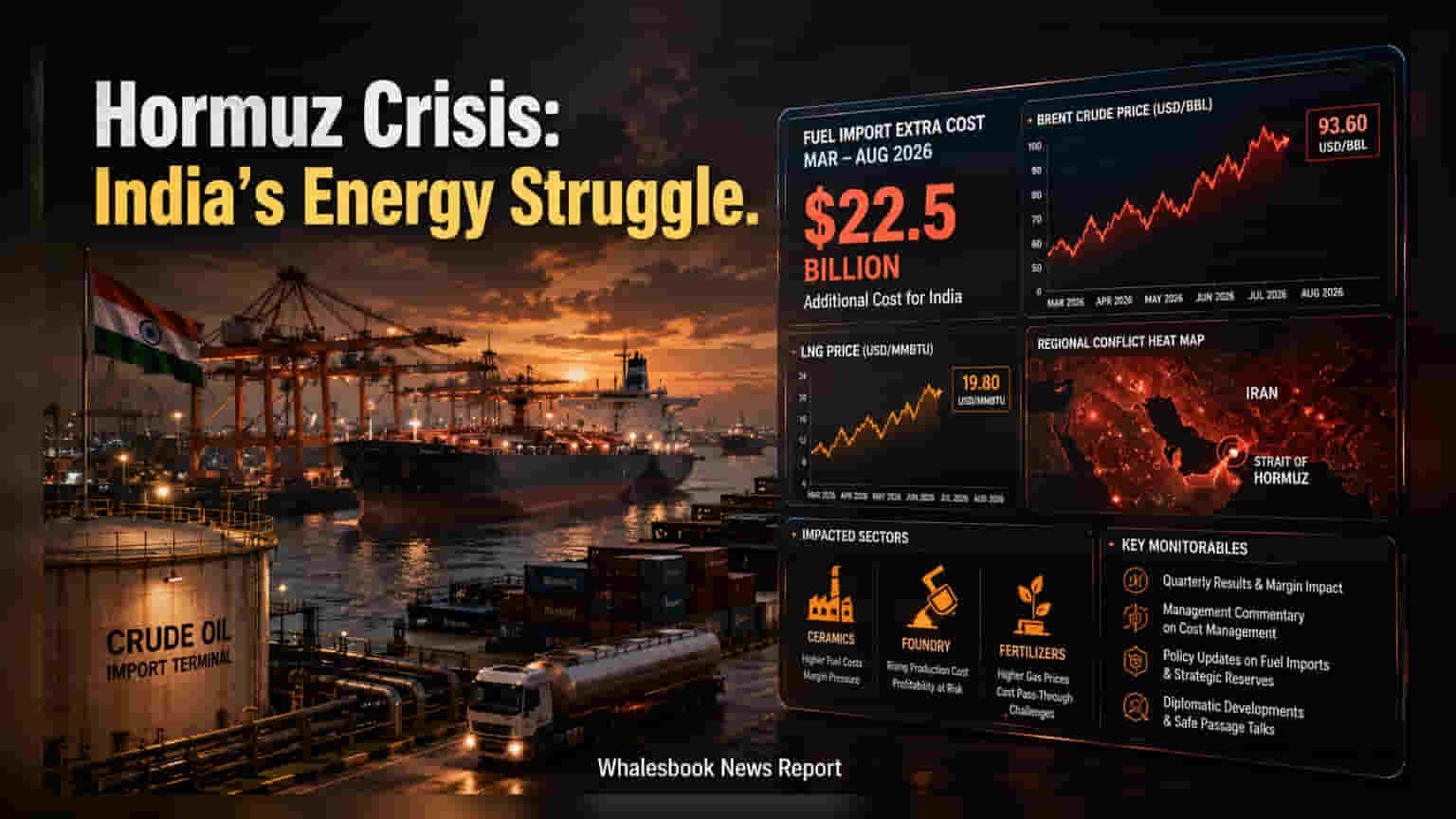
India’s energy-heavy industries are facing significant input cost pressure as the Strait of Hormuz crisis enters its sixth month. With an additional $22.5 billion spent on fuel imports since February 2026, investors are watching how manufacturing firms manage squeezed profit margins amid ongoing geopolitical uncertainty.
The ongoing crisis in the Strait of Hormuz, which escalated in February 2026, is causing more than just public anxiety; it is creating a direct financial burden for the Indian economy. While a recent CVoter survey highlighted rising public dissatisfaction with the government's management of the situation, the economic reality on the ground is even more concerning for industrial investors. Between March and August 2026, India incurred approximately $22.5 billion in additional costs for fossil fuel imports due to the disruption at this vital energy chokepoint.
The Strait of Hormuz is a critical passage through which roughly 20% of global oil and LNG shipments normally transit. When this route faces security threats or restricted traffic, global energy prices often rise, and India, a major importer of crude and natural gas, bears the brunt of these costs. This volatility has created a challenging environment for energy-intensive industries, including ceramics, foundry operations, and fertilizer production.
For companies in these sectors, higher fuel and gas prices mean that the cost of production increases significantly. If these companies cannot pass the entire cost increase to their customers without losing demand, their profit margins may shrink. This environment forces management teams to focus heavily on cost efficiency and operational resilience to protect their bottom line. Investors are currently monitoring how these manufacturing firms adjust to the sustained price pressure.
The diplomatic front remains the primary factor to watch. Regional powers are reportedly engaged in talks regarding potential safe passage corridors, which could help stabilize shipping volumes if successful. However, until a resolution is reached, the risk of supply chain delays and commodity price volatility remains a reality for the market.
Going forward, the key monitorables for investors include company-specific quarterly results, where the impact of these high input costs will be visible, and management commentary regarding their ability to manage raw material expenses. Additionally, any policy updates from the government regarding strategic reserve management or changes to fuel import strategy will be relevant for assessing how the nation plans to navigate this prolonged period of energy supply risk.