 Whalesbook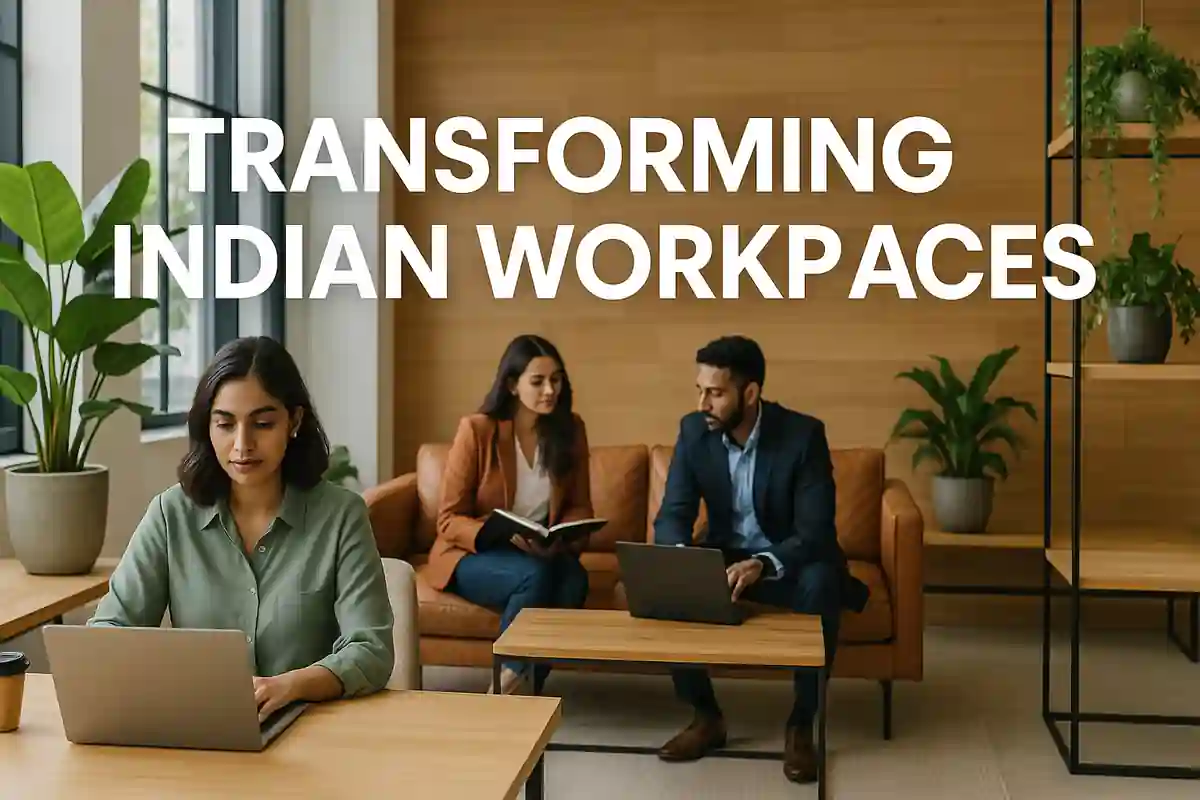


India's workplaces are undergoing a substantial transformation, with 12.7% of the workforce already remote and 28.2% hybrid. By the end of 2025, an estimated 60 to 90 million Indian employees are expected to adopt remote or hybrid work arrangements, marking a departure from traditional office models. This evolution is driven by a need to combat widespread burnout caused by long working hours, excessive virtual meetings, and blurred work-life boundaries. Employees are now seeking environments that support both performance and well-being.
Human-centered design is emerging as a key strategy. Forward-thinking companies are moving beyond basic office setups to create spaces that enhance human performance and holistic health. This involves integrating natural elements (biophilic design) to reduce stress, providing ergonomic workstations for physical comfort, and designating quiet zones for focused work and mental recharge.
Privacy is also a critical factor, with studies showing a significant lack of it in conventional offices, leading to interruptions and reduced focus. Empowering employees with choice over their environment, through features like private pods or reflective corners, is becoming crucial. Trends like neuroinclusive design, flexible layouts, personalization, and cultural design cues are also shaping these new workspaces. Companies like Steelcase are offering adaptable solutions to support fluid work modalities, aiming to restore calm, energy, and autonomy in high-performing cultures.
Impact: This trend significantly impacts the Indian business landscape, influencing corporate real estate decisions, employee well-being initiatives, and the demand for office furniture and design solutions. It can indirectly affect the performance of companies in the IT, services, and real estate sectors, as well as those providing workplace solutions. Rating: 7/10
Difficult Terms:
- Hybrid Setup: A work arrangement where employees split their time between working remotely (e.g., from home) and working from a physical office.
- Burnout: A state of emotional, physical, and mental exhaustion caused by excessive and prolonged stress.
- Human-Centered Design: An approach to problem-solving that puts the needs, desires, and limitations of the end-user at the center of the design process.
- Biophilic Design: An approach that seeks to connect building occupants more closely to nature by incorporating elements like natural light, vegetation, natural materials, and views of the outdoors.
- Ergonomic Workstations: Work areas designed to maximize efficiency and comfort, reducing physical strain and fatigue for users.
- Quiet Zones: Designated areas within an office space intended for focused work or mental recharge, free from usual office noise and distractions.
- Neuroinclusive Design: Designing environments that are considerate of individuals with neurological differences, such as autism or ADHD, ensuring they feel comfortable and can function effectively.
- Cognitive Overload: A state where the brain is exposed to more information or stimuli than it can effectively process, leading to confusion, stress, and reduced performance.