 Whalesbook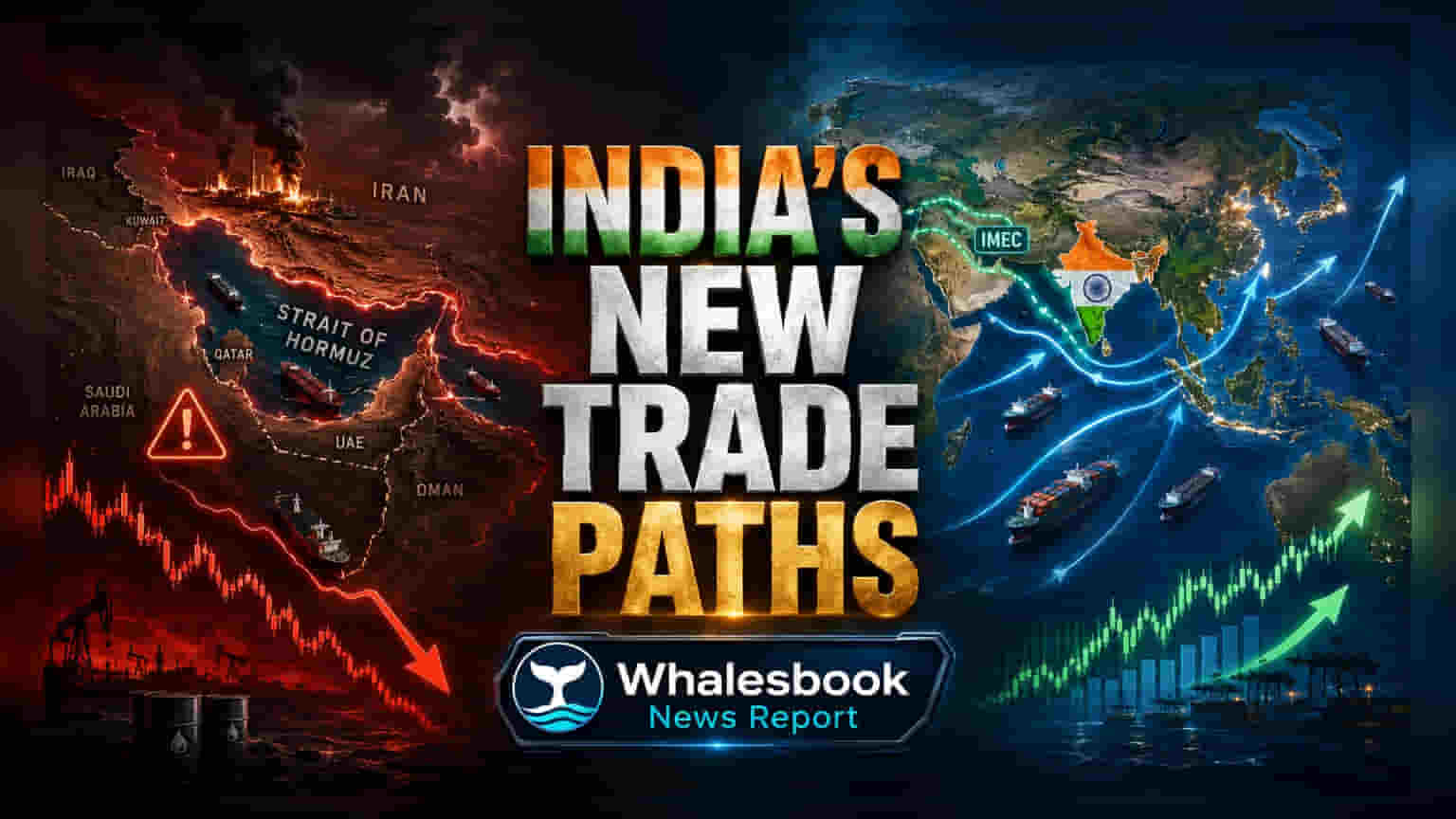


The Geopolitical Bottleneck
The concentration of India’s energy imports within the narrow confines of the Strait of Hormuz represents a systemic risk that transcends mere logistics. While the global energy market has long accepted this transit point as a standard feature of maritime commerce, recent escalation in regional tensions has transformed this efficiency into a critical liability. The current reliance on this single artery leaves the domestic economy exposed to sudden inflationary spikes and supply shocks that could derail industrial growth trajectories.
Infrastructure as a Financial Hedge
Developing the India-Middle East-Europe Economic Corridor is no longer a diplomatic aspiration but a requirement for fiscal stability. By diversifying transit routes to include the Indo-Pacific pathway, India aims to create a redundant supply chain that functions even during regional containment scenarios. Beyond trade connectivity, the mandate to build deeper strategic reserves for crude oil, fertilizers, and rare earth materials functions as an insurance policy against the volatility inherent in global shipping. This shift toward self-sufficiency in materials suggests that the government is preparing for a future where energy security is explicitly linked to national sovereignty rather than market-price optimization.
The Bear Case for Transition
Critics and market analysts point to the immense capital expenditure required to realize these corridors as a potential drag on short-term fiscal deficits. While the pivot toward thorium-based nuclear energy and accelerated electric vehicle adoption serves the long-term goal of import substitution, the transition phase carries significant risks. A rapid move away from established petroleum sourcing, if not synchronized with technological maturity in renewables, threatens to create an energy gap. Furthermore, the domestic capacity to ramp up indigenous production of critical supplies remains unproven, and the potential for bureaucratic delays in infrastructure development could leave the country vulnerable during the interim years of the energy transition.
Balancing Long-Term Growth
Maintaining an economic expansion rate consistent with potential requires a departure from traditional trade patterns. Policymakers are signaling that the era of relying solely on low-cost shipping lanes is fading, replaced by a preference for secure, multi-modal supply chains. The success of this reorientation will likely depend on the government’s ability to attract private sector investment into dual-use infrastructure, ensuring that these assets contribute to economic output during periods of peace while providing robust defensive capabilities during times of geopolitical friction.