

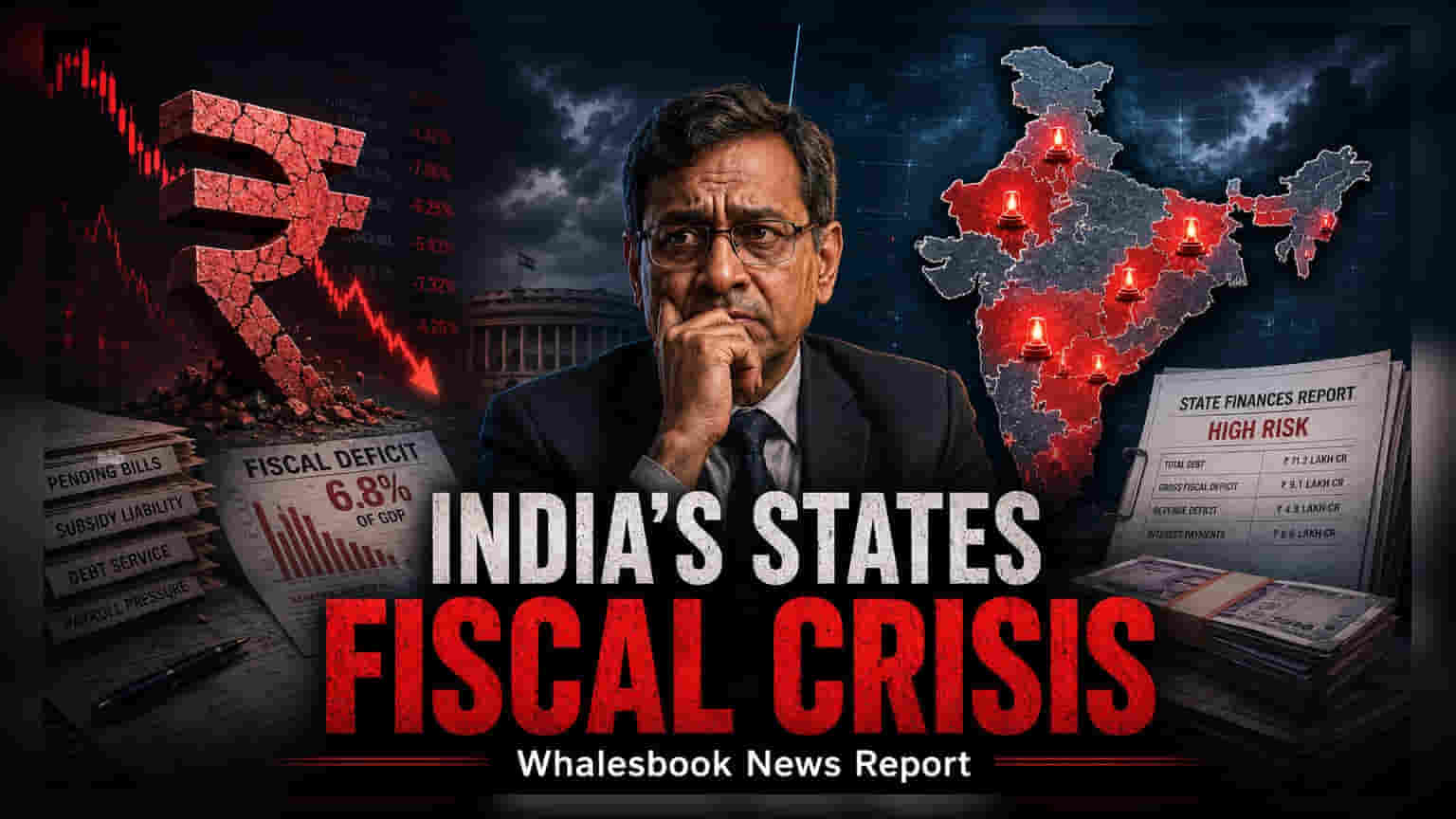
State fiscal deficits have reached 3.5% of GDP, with 18 of 28 states exceeding the 3% safety threshold in FY 2024-25. This rising fiscal strain limits the ability of state governments to fund infrastructure and increases pressure for stricter central oversight on borrowing.
Indian state governments are navigating a period of significant fiscal strain, with the aggregate fiscal deficit rising to 3.5% of GDP in the revised estimates for 2024-25. Data reveals that 18 out of 28 states have breached the constitutionally recommended fiscal deficit ceiling of 3% of Gross State Domestic Product (GSDP). This trend contrasts with the Union government, which is focused on reducing its own fiscal deficit, targeting 4.3% of GDP for the 2026-27 financial year.
Challenges in Financial Reporting and Debt
A major concern for market observers and policymakers is the discrepancy in how state-level debt is reported. Audits by the Comptroller and Auditor General of India (CAG) across several states, including Bihar, Chhattisgarh, Gujarat, Karnataka, Kerala, Maharashtra, and West Bengal, have pointed to the use of off-budget borrowings and misclassified expenditures. These accounting practices often lead to situations where the actual fiscal deficit is higher than what is presented in official budget documents. Consequently, India’s total debt-to-GDP ratio for FY 2025-26 stood at 58.2%, missing the government's target of 56.1%.
Impact on Infrastructure and Federal Relations
The persistence of revenue deficits—where day-to-day spending outpaces income—forces many states to redirect funds away from essential capital expenditure, such as building roads, bridges, and power projects. When states struggle with debt, they often reduce their contribution to national infrastructure growth, which can dampen local economic development.
Furthermore, the current situation has increased friction between the Union government and state authorities. With states collectively outspending the Centre in many areas, the central government is pushing for stricter fiscal discipline. This includes proposals to link borrowing costs directly to a state’s fiscal health, meaning states with weaker balance sheets could face higher interest rates on their debt.
What Investors Should Monitor
For those tracking the Indian economy, the critical factor is whether states can transition from revenue-heavy spending to productive capital expenditure. The 16th Finance Commission is already evaluating new grant structures, and investors should watch for any shift toward conditional central transfers that penalize states for fiscal mismanagement. Additionally, as states like Tamil Nadu continue to manage significant debt burdens—pegged at over ₹10 lakh crore in recent estimates—the ability of these governments to balance essential public services with sustainable borrowing will remain a key influence on the overall stability of the Indian federal fiscal structure.