 Whalesbook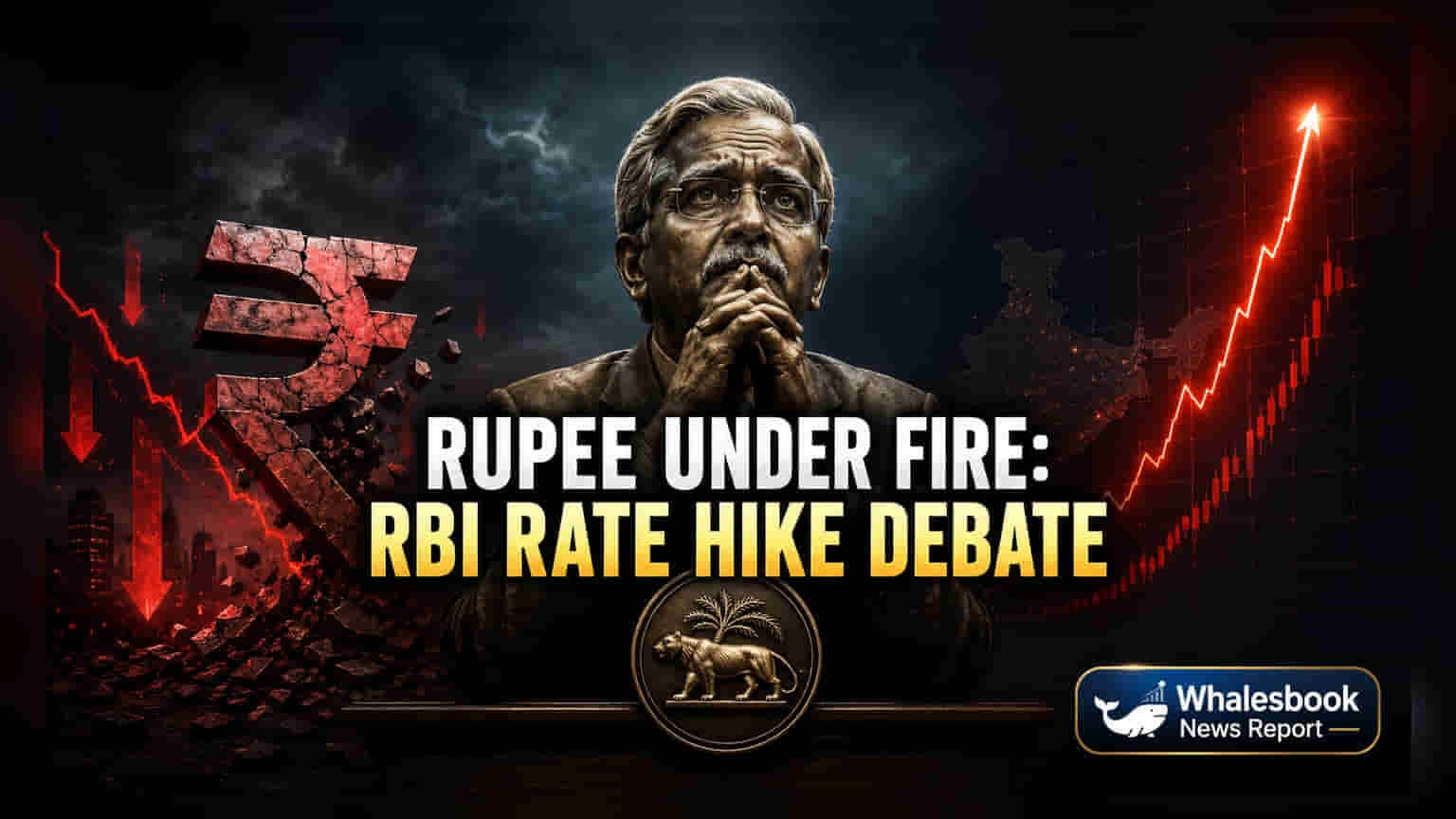


Bond Yields Climb Amid Rupee Weakness
Indian 10-year bond yields have risen above 7%, sparking discussion about whether the Reserve Bank of India (RBI) might need to increase interest rates to support the rupee. The nation is currently facing inflation concerns, a declining currency, and broader global economic uncertainty. Mridul Saggar, a former RBI Executive Director, suggested that rate hikes are possible later this year, but only if there is clear evidence that inflation pressures are becoming widespread. He described the situation as a significant cost-push inflation shock within a challenging economic environment.
Currency, Rates, and Capital Flows Intertwined
Ananth Narayan, formerly a member of SEBI, highlighted how currency markets, interest rates, and capital flows are deeply connected. He warned that if the gap between Indian and U.S. interest rates narrows, it could discourage foreign investment in Indian debt and encourage domestic investors to look for opportunities elsewhere. The RBI has already taken steps besides interest rates to support the rupee, including curbing speculative currency positions and actively intervening in foreign exchange markets. Narayan estimated that the RBI may have sold roughly $190-200 billion in spot and forward markets during fiscal years 2025 and 2026 to manage the currency.
Balancing Inflation and Reserves
Both experts advised against strict measures like capital controls. Narayan pointed to India's strong reserve buffers, cautioning that severe restrictions could harm investor confidence long-term. Current market expectations do not anticipate an immediate rate increase. The RBI's own inflation forecasts suggest consumer inflation could remain around 5% even if oil prices stay high at $95 per barrel. This indicates the central bank must carefully balance currency stability with inflation targets and economic growth. Global economic trends and the U.S. Federal Reserve's policies will also significantly influence the RBI's decisions. The country's substantial foreign exchange reserves will be key to the extent of market intervention possible. The current 10-year Indian government bond yield reflects investor concerns about inflation and currency depreciation, suggesting a potential shift in the risk premiums demanded. The RBI's past interventions, estimated in the hundreds of billions of dollars, underscore the significant efforts to manage the currency. The interplay of domestic inflation, global commodity prices, and international interest rate differences creates a complex environment for monetary policy.
Risks and the Road Ahead
The main risk is continued currency depreciation, which could lead to imported inflation and reduce purchasing power. A larger interest rate gap with countries like the U.S. could worsen capital outflows. However, strong domestic demand and a healthy services sector provide some support. The RBI's communication and guidance will be crucial for managing market expectations and preventing excessive volatility. The central bank's ability to keep inflation within its target range will be a key factor in its policy direction. Analysts are watching for any shift in the RBI's approach, with future policy adjustments expected to be data-driven and carefully managed to avoid market overreactions. The effectiveness of non-rate measures in supporting the rupee will also be closely monitored.