 Whalesbook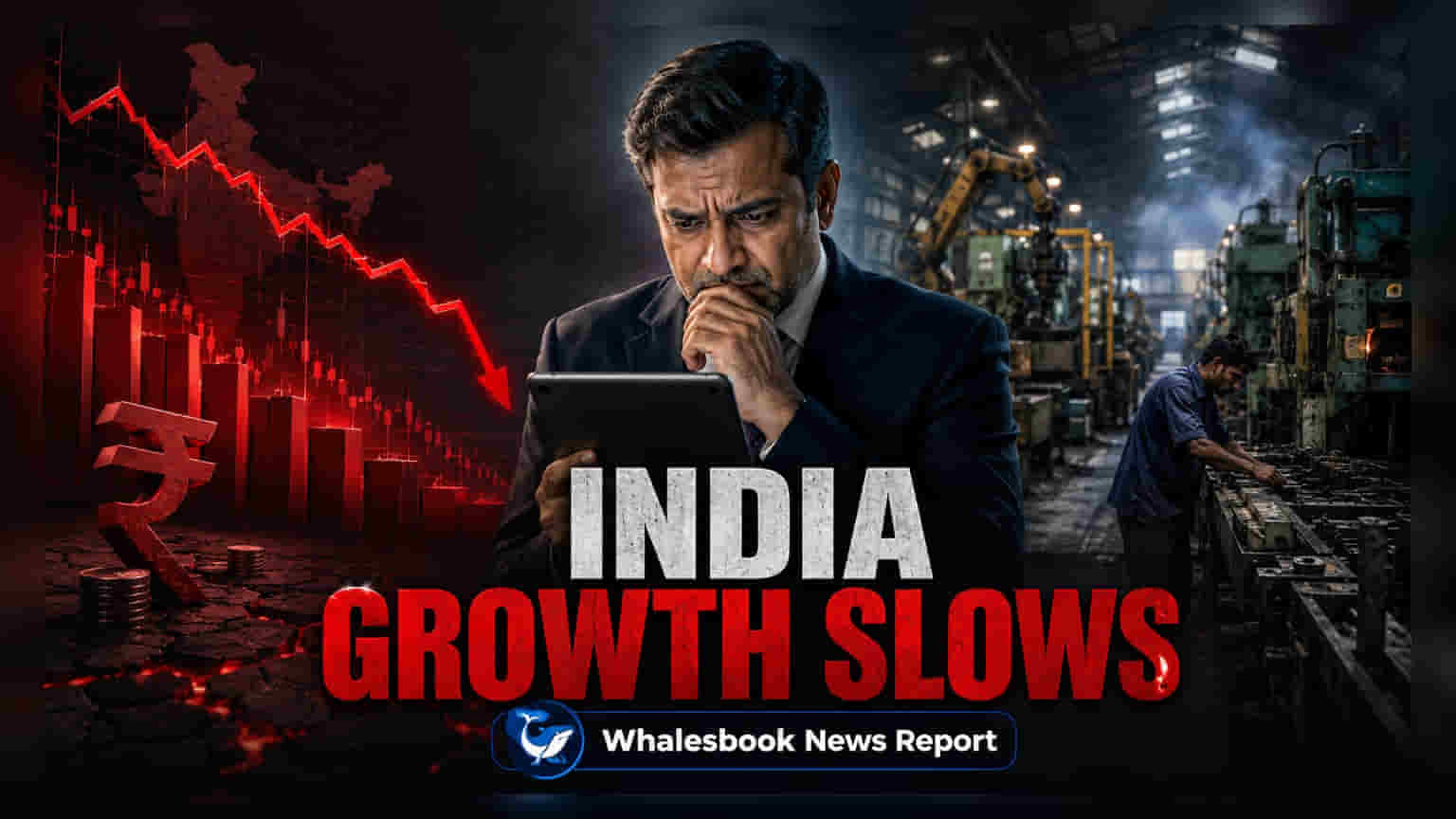


Growth Slows as Manufacturing Sector Cools
India's private sector expanded in May, but at a slightly slower pace. The HSBC Flash Composite Purchasing Managers' Index (PMI) registered 58.1, a small decrease from April's 58.2. This slowdown was mainly driven by the manufacturing sector, where new orders and production growth softened. The Manufacturing PMI fell to 54.3 in May from 54.7 in April, marking the second-slowest improvement in factory conditions in almost four years. Factory output and new orders saw less expansion, and new export orders declined significantly.
Services Sector Shows Resilience
The services sector provided a boost, with activity increasing slightly. The Services PMI business activity index rose to 58.9 in May from 58.8 in April, reaching its strongest growth since November last year. Service providers also increased their workforce faster than in the previous year, outpacing job creation in manufacturing. However, overall new export orders across the private economy saw their weakest growth in 19 months, influenced by the ongoing conflict in West Asia and disruptions affecting international demand.
Rising Costs and Business Confidence Decline
Businesses are facing increasing cost pressures, especially in manufacturing. Input costs rose at the fastest rate since July 2022, due to higher prices for energy, steel, and food. Despite rising costs, companies have been cautious about passing these onto consumers, with output charges at the composite level increasing at their slowest pace since January. This situation, combined with external uncertainties, has lowered overall business confidence to a three-month low.
Economic Forecast and Geopolitical Factors
The United Nations has lowered India's GDP growth forecast for 2026 to 6.4%, down from 6.6%, citing global uncertainties and economic shocks from the West Asia crisis. India is still expected to be one of the world's fastest-growing major economies. However, the ongoing conflict is straining supply chains, increasing logistics and input costs, and creating uncertainty for export-focused sectors. Higher crude oil prices and supply disruptions could widen the current account deficit and increase inflation, potentially slowing GDP growth in fiscal year 2027. The conflict has led to policy actions like a ban on sugar exports to manage domestic supply and inflation. India's diverse energy sources and foreign exchange reserves are seen as protective measures against oil price shocks compared to some other nations.