 Whalesbook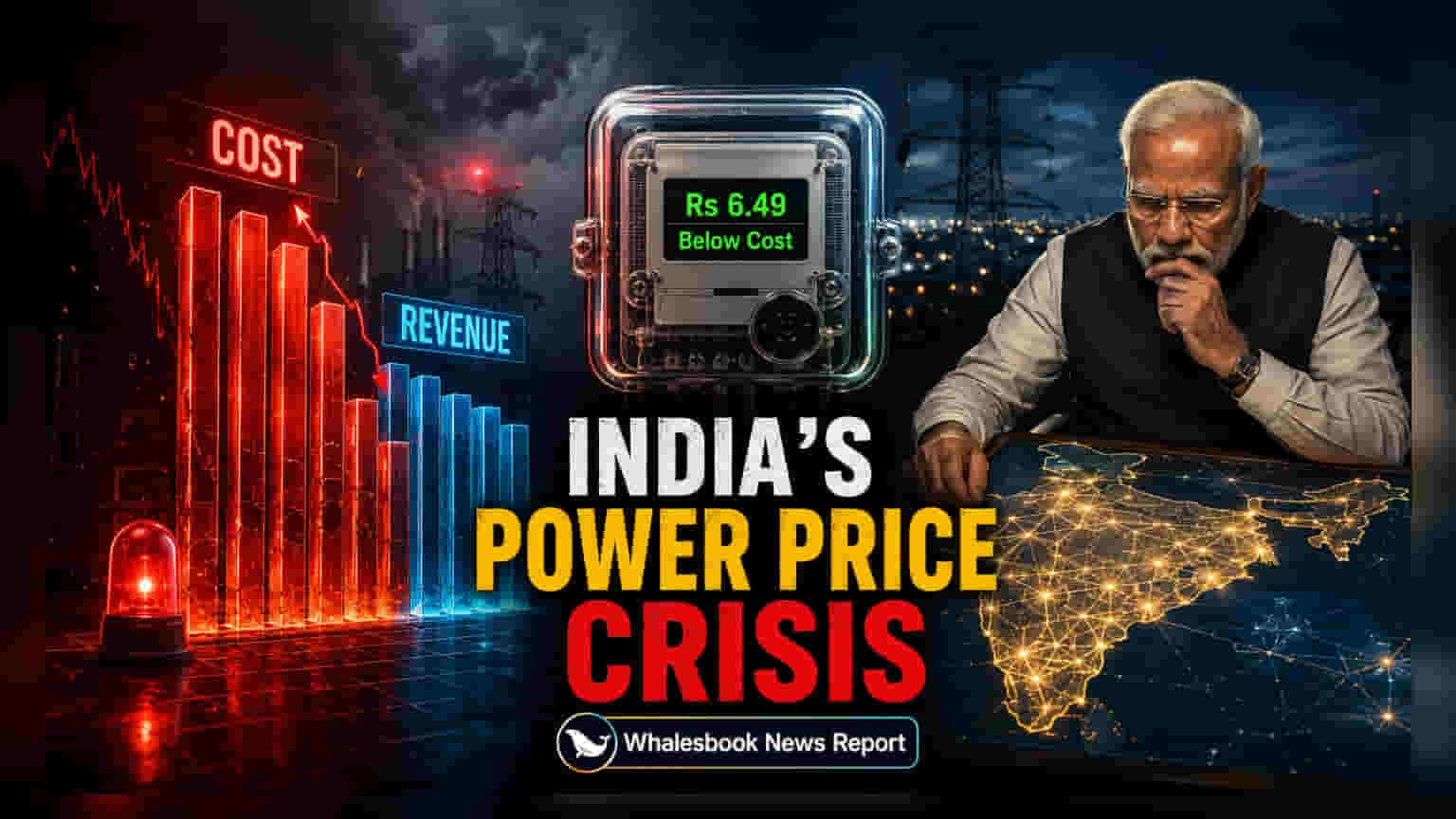


Electricity Pricing Gap Widens
India's electricity tariffs are significantly lower than the actual costs of supplying power, creating a major financial strain on the sector. The Central Electricity Authority (CEA) is proposing a new national plan to adjust fixed charges and implement pricing that better reflects true costs. This initiative aims to close the massive Rs 4 lakh crore annual fiscal gap, which is about 1.4% of India's GDP. This gap arises because the average cost to supply electricity is much higher than the average revenue power distribution companies (discoms) collect. For instance, residential electricity costs consumers an average of Rs 6.49 per unit, less than half of global averages, while discoms pay Rs 5.38 per unit just to buy the power, before adding transmission, distribution, and other operational costs. This deep subsidy is financially unsustainable and harming the power sector's health.
Fixed Costs Underrecovered
The CEA's analysis reveals a significant problem with how fixed costs are recovered. These costs, which cover essential services like transmission, maintaining infrastructure, staff salaries, and payments to power generators, make up 38% to 56% of a discom's total annual expenses. However, only about 9% to 20% of their total revenue comes from fixed charges. This heavy reliance on energy charges, which depend on how much electricity is used, leaves discoms vulnerable to changes in consumption and stranded costs. As more consumers adopt rooftop solar or generate their own power, they reduce grid usage. This forces discoms to still maintain the grid infrastructure for them, while losing revenue from these customers.
Reforms Face Hurdles
The proposed reforms focus on increasing the recovery from fixed charges. The CEA suggests a gradual plan: by 2030, domestic and agricultural consumers would cover 25% of fixed costs, while industrial and commercial users would cover 100%. This could stabilize discom finances, but it presents a major challenge for industrial users with inconsistent electricity needs and for low-income households, who might face much higher bills. Past reform attempts have often failed because of political pressures to keep prices low. The success of the CEA's current push depends on the government's willingness to tackle these difficult issues and balance the financial needs of the power sector with the affordability for consumers.
Sector Health and Global Perspective
India's power distribution companies have long suffered from severe financial problems, accumulating over ₹7 trillion in debt. While discoms saw a small net profit of ₹2,701 crore in fiscal year 2025, indicating a potential turnaround after years of losses, the substantial debt burden remains. Additionally, industrial electricity prices in India are significantly higher compared to many developed countries, sometimes reaching over USD 400 per megawatt-hour, which can hurt the competitiveness of Indian manufacturers. A major reason for this is cross-subsidization, where industrial and commercial customers pay much higher rates to subsidize residential and agricultural consumers. These tariffs can be up to 50% higher than what would be efficient. The proposed reforms aim to correct these imbalances, but implementing them will require careful management of political sensitivities and consumer impacts to ensure a stable and financially sound power system.