 Whalesbook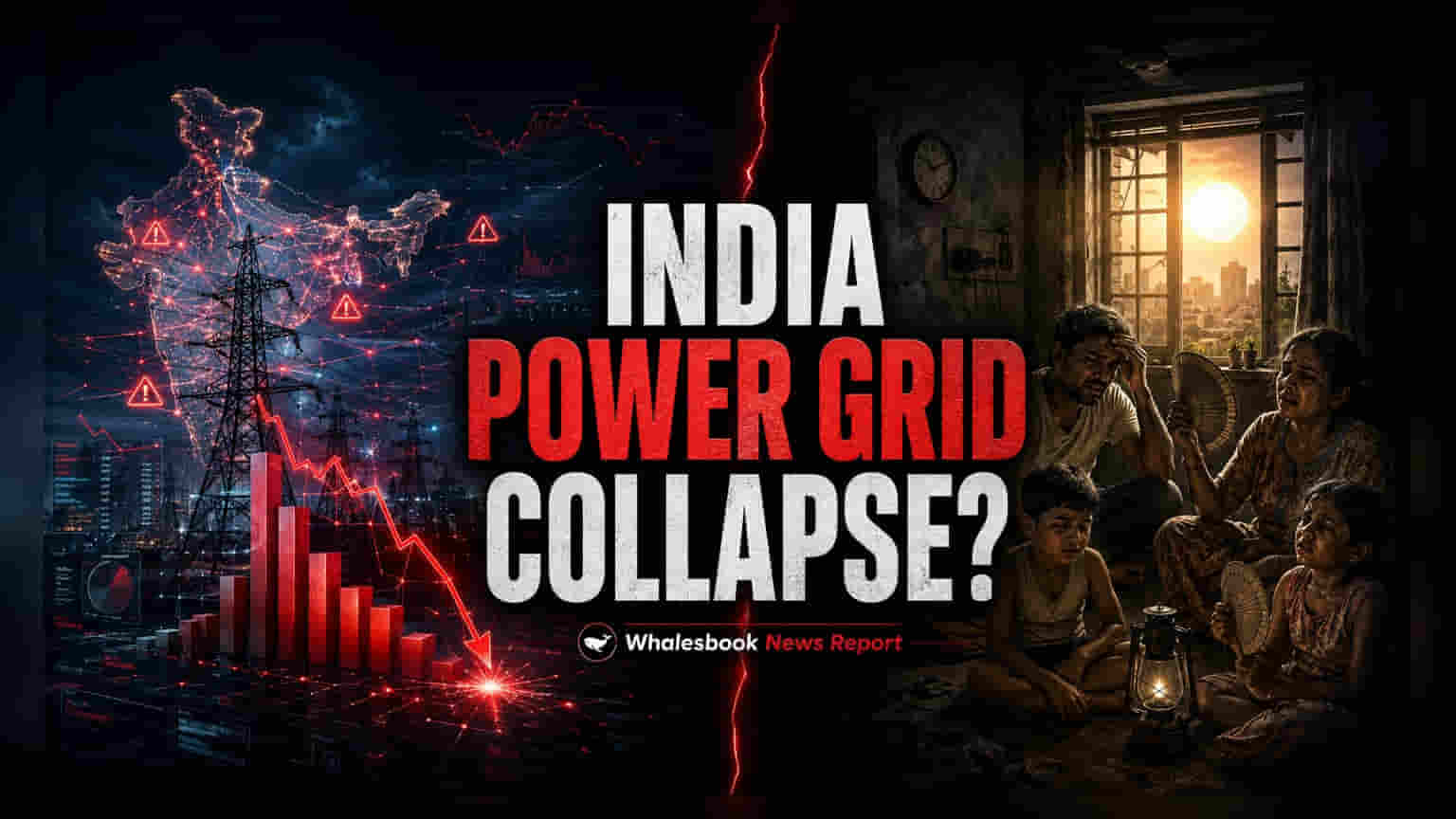


India's power infrastructure is under immense pressure as an unrelenting heatwave drives electricity demand to an all-time peak exceeding 270 gigawatts. The nation is grappling with widespread power outages, particularly impacting urban centers like Chennai, New Delhi, and Noida, as the grid struggles to meet this unprecedented load. The elevated temperatures, intensified by El Niño, are disrupting daily life and economic activities, with reports of up to an hour of nighttime power cuts in Chennai alone. The national regulator, Grid-India, confirmed a peak power deficit of approximately 2.57 gigawatts on Thursday evening, highlighting the severity of the situation.
Conservation Efforts and Grid Vulnerabilities
The Ministry of Power issued a public appeal on Friday, urging consumers to practice energy conservation. While the ministry assures preparedness, the current demand surge, particularly during evening hours when solar generation declines and reliance shifts to thermal and hydropower, exposes the grid's vulnerabilities. Energy experts emphasize the need for immediate system upgrades to cope with increasingly hotter nights, a trend becoming the norm. Disha Aggarwal, a senior programme lead at the Centre for Energy, Environment and Water (CEEW), advocated for accelerated deployment of battery storage systems to effectively utilize surplus solar energy during nighttime hours. Weather forecasts indicate severe heatwave conditions persisting across northern and eastern regions, including New Delhi, through May 27, exacerbating the ongoing power challenges. Protests regarding extended outages have been reported in various affected areas, including Odisha.
Sectoral Impact and Future Preparedness
The unprecedented demand strains utility companies and energy producers, potentially impacting their operational efficiency and financial performance. The broader energy sector is witnessing intense activity. Competitors in the power generation and distribution space may see varied impacts based on their capacity and fuel mix. Companies heavily reliant on solar power might experience lower output during peak evening demand, while those with robust thermal or hydropower capacity could be better positioned, albeit facing fuel supply challenges. Historical data suggests that such extreme weather events can lead to short-term spikes in revenue for power producers but also necessitate significant investment in infrastructure resilience. The CEEW's recommendation for battery storage points towards a future where grid management will increasingly depend on energy storage solutions to balance supply and demand fluctuations. The focus on conservation, while necessary, indicates that supply-side solutions require significant and rapid investment. The government's preparedness is being tested as the situation evolves, with potential implications for industrial output and consumer comfort across the affected regions.