 Whalesbook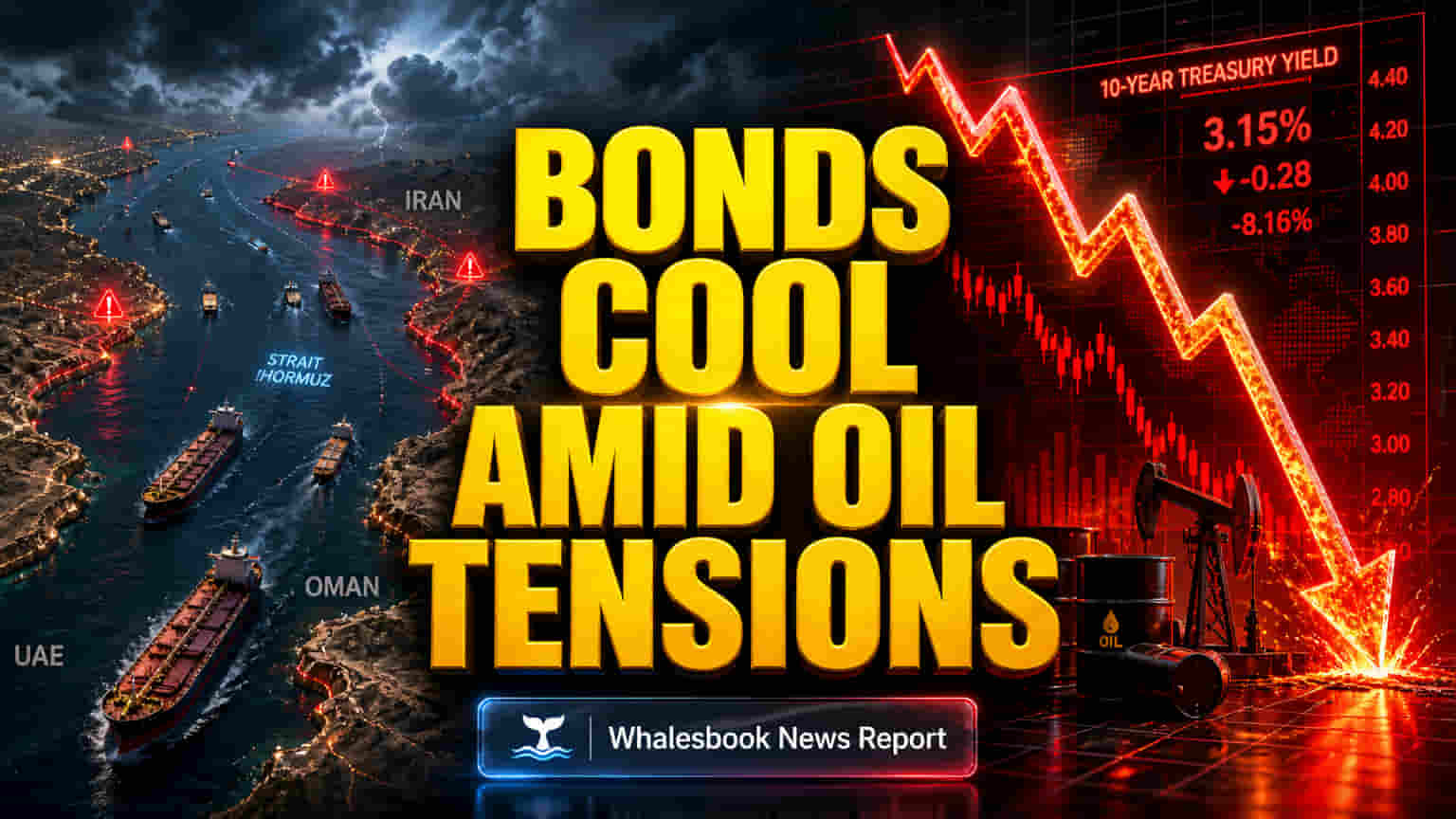


India's vulnerability to global commodity price swings is evident as oil volatility directly impacts domestic bond yields and the rupee. While a weekend dip in Brent crude offered temporary relief, the underlying market fragility, fueled by ongoing geopolitical risks and supply chain disruptions, presents a complex challenge for the Reserve Bank of India (RBI).
Oil Price Volatility Shakes Markets
India's benchmark 10-year government bond yield dipped to around 6.99% on May 4, 2026, moving away from recent highs after a brief fall in Brent crude prices from peaks near $126 a barrel in late April. However, market sentiment is still unsettled. Geopolitical events, especially in the Middle East and around the Strait of Hormuz, keep oil prices high, averaging over $100 a barrel. Traders are wary of further price shocks. The USD/INR exchange rate also showed unease, opening lower at 94.95, continuing a slide that hit a record low near 95.33 on April 30.
India's Import Dependence Creates Vulnerability
India imports nearly 90% of its oil, making it highly vulnerable to price surges. Analysts warn that oil prices staying above $110-$115 per barrel lead to higher import costs, wider trade deficits, and greater strain on government finances. The International Energy Agency has called the current situation potentially the 'biggest supply shock in history.' Adding to this vulnerability is the shortfall in India's strategic petroleum reserves, which are well below international standards. This lack of reserves means any disruption could quickly cause domestic price spikes and fears of shortages, rather than being absorbed over time. The impact extends beyond energy, as imported commodities like sulphur affect fertilizer costs, contributing to food inflation.
RBI Faces Tricky Policy Choices
The Reserve Bank of India is in a difficult spot. While the dip in bond yields brought temporary relief, the constant threat of imported inflation from high oil prices complicates the RBI's policy goals. The RBI projects CPI inflation at 4.6% for FY27, but risks remain from energy prices and potential monsoon disruptions. The central bank's Monetary Policy Committee kept the repo rate at 5.25% in April, noting these risks alongside downside risks to growth. This situation risks stagflation (high inflation and slow growth), especially as the government absorbs fuel price rises, pressuring corporate margins. Global monetary policy differences, especially from the US Federal Reserve, add complexity by affecting capital flows and currency swings in emerging markets like India.
Bearish Outlook for India's Economy
Despite a ceasefire announcement in early April, the energy crisis linked to the Strait of Hormuz blockade continues, leading to forecasts of 'higher for longer' oil prices. S&P Global Ratings raised its 2026 Brent crude price forecast to $100 a barrel, citing ongoing supply disruptions and geopolitical risks. This means continued inflation and a wider current account deficit for India. DBS Research analysts cut India's FY27 GDP growth forecast to 6.5% from 7.0% and raised inflation estimates, expecting oil prices to range between $90-$110 in the near term. Markets could see further bond yield increases, with some economists predicting yields between 7-7.50% in the second half of 2026. Unlike many developed markets, Indian bonds have higher risk premiums due to inflation, currency swings, and policy uncertainty, requiring investors to seek greater compensation. The rupee's continued weakening, fueled by high import costs and capital outflows, increases these risks.
Economic Outlook Remains Challenged
The near-term economic outlook for India is clouded by these ongoing external pressures. Sectors like banking and financial services remain resilient, and metals benefit from strong commodity prices. However, broader industry and exports face pressure from rising input costs and shipping delays. The RBI continues its delicate balancing act: managing inflation while supporting growth, a task increasingly influenced by external factors beyond its control. Analysts expect continued bond market volatility, with yields sensitive to oil price shifts and global central bank signals. The RBI's move towards a more flexible, judgment-led policy reflects the growing impact of supply-side shocks that interest rates alone can't control. The path forward suggests growth expectations may be recalibrated, with forecasts potentially moderating amid ongoing inflation.