 Whalesbook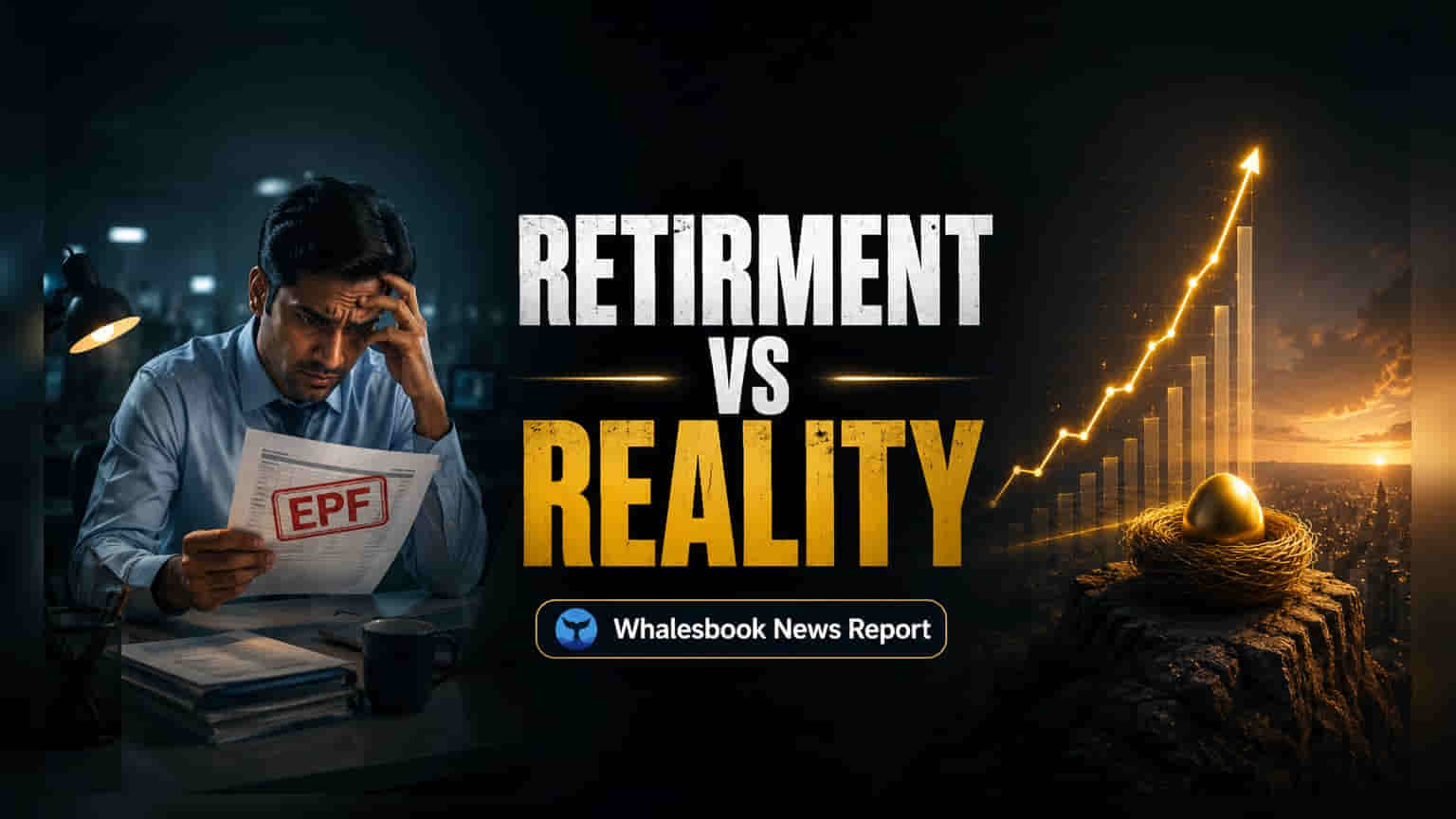


The Structural Shift in Paycheck Economics
The transition to the new labor code framework marks a fundamental move from flexible compensation structures toward rigid, state-mandated retirement funding. By effectively forcing the basic salary component to reach parity with the remaining allowances, the regulation eliminates the traditional 'allowance-heavy' payroll model that historically offered employees greater net-take-home liquidity. While the total cost-to-company remains stable, the reclassification of income into pensionable basic pay creates a mechanical drag on monthly disposable cash flow.
The Opportunity Cost of Capital
For the demographic of professionals under the age of thirty-five, the mandatory redirect toward the Employees' Provident Fund creates a tangible performance gap. Capital trapped in the EPF, currently yielding approximately 8.25%, faces significant opportunity costs when compared to equity-linked savings schemes or diversified SIP portfolios. Historically, inflation-adjusted returns in broader market indices have consistently outperformed fixed-income pension vehicles over ten-year windows. By enforcing a lower-yield, state-controlled bucket for middle-class savings, the policy effectively imposes an efficiency tax on younger workers attempting to build wealth during their most productive compounding years.
The Debt Trap Reality
Critics of the rigid implementation point to a potential rise in consumer leverage. When liquidity is suppressed by statutory deduction, the ability to fund intermittent financial shocks—such as health emergencies or housing repairs—diminishes. This creates a reflexive reliance on the unsecured credit market, where prevailing interest rates for personal loans and credit cards frequently exceed 20% annually. The irony of the policy lies in this cycle: forcing individuals to 'save' at a lower rate while simultaneously pushing them to 'borrow' at an exponentially higher rate to maintain day-to-day solvency, thereby eroding net household wealth.
Structural Weaknesses in Pension Protection
From a risk-averse perspective, relying solely on centralized pension mandates poses institutional hurdles. The fund remains subject to macroeconomic volatility and government fiscal requirements, which can influence interest rate declarations. Furthermore, the lack of individualized asset allocation within the fund limits the recipient's ability to hedge against long-term interest rate shifts. Unlike private retirement accounts where the individual dictates the risk-reward profile, the current structure mandates a one-size-fits-all approach that fails to account for varying stages of career risk, debt levels, and personal inflation expectations. For the employee, this regulatory transition transforms a fluid cash flow into a restricted asset, potentially hindering the agility required to navigate a modern, volatile economic environment.