

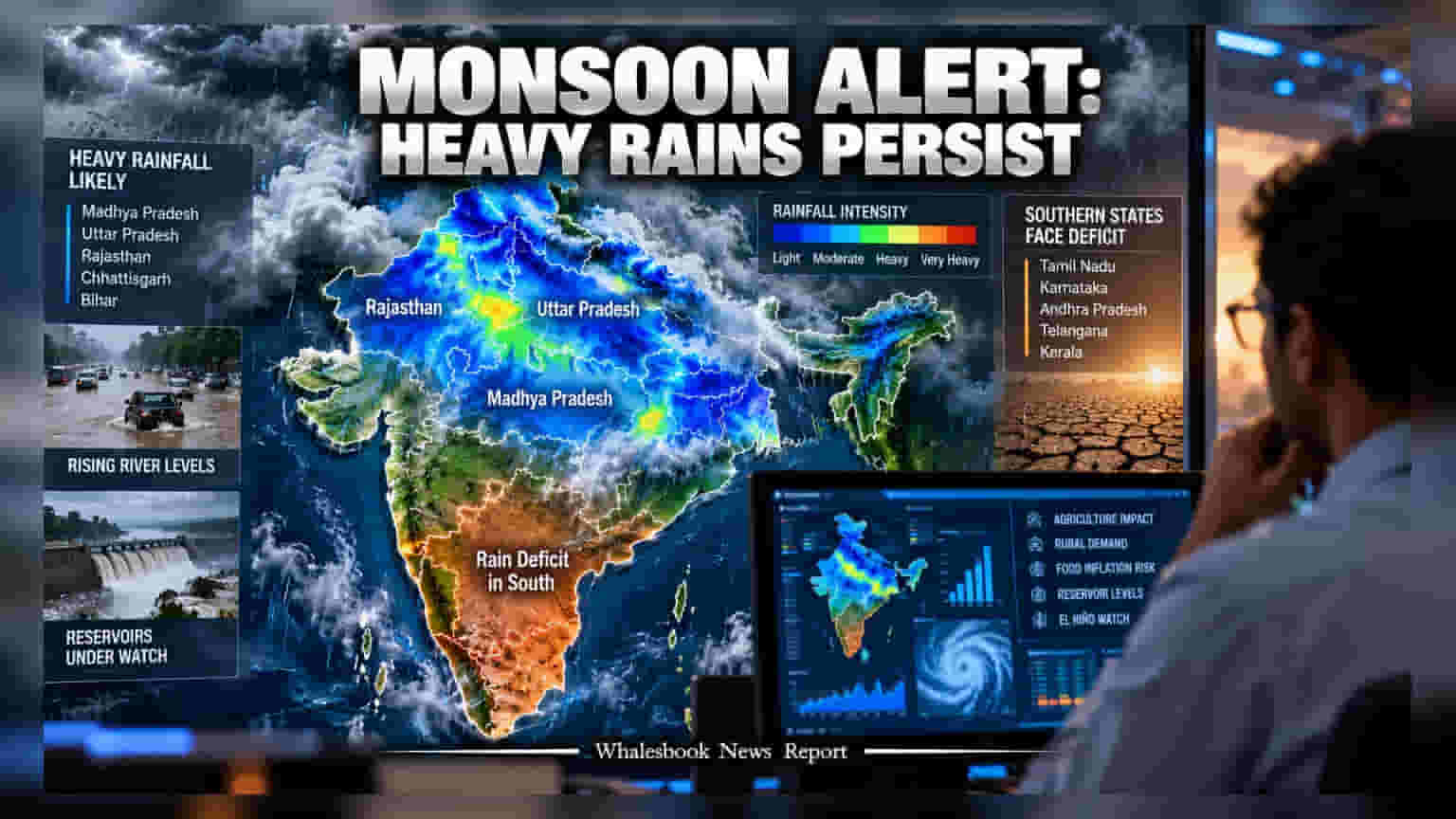
The India Meteorological Department expects heavy rainfall to continue across North and Central India until September 10, while the South faces a persistent deficit. This uneven monsoon pattern is raising concerns regarding potential damage to kharif crops and a broader impact on rural economic demand as El Niño conditions intensify.
The monsoon season is currently presenting a split scenario for India. While several northern and central states are bracing for heavy to very heavy rainfall through September 10, the southern peninsula continues to deal with a significant precipitation deficit. This erratic distribution is becoming a key area of focus for market observers tracking the health of the agricultural sector.
Impact on Agriculture and Rural Demand
The India Meteorological Department has linked the ongoing intense weather in regions like Madhya Pradesh, Uttar Pradesh, and Rajasthan to a well-marked low-pressure system. While these rains are essential for replenishment, the persistence and intensity of the weather can pose risks to standing kharif crops, including paddy and maize. Excessive moisture or flash floods can disrupt harvesting schedules and impact crop quality, which eventually plays a role in food price trends.
Conversely, the prolonged rainfall deficit in the South Peninsula is creating water stress. For investors, the significance of this uneven monsoon lies in its potential effect on rural incomes. A major portion of India's rural economy depends on agricultural output and timely harvests. When rainfall is either too intense in some areas or insufficient in others, it can lead to volatile agricultural growth. This, in turn, influences consumer spending on items like tractors, two-wheelers, and fast-moving consumer goods in rural markets.
Macroeconomic Risks to Monitor
The broader concern remains the intensifying El Niño conditions, which are projected to keep September rainfall below normal levels nationally. Credit rating agencies and economic analysts have already highlighted that tepid agricultural growth could weigh on the overall rural economy for the current financial year. The main risk factor is whether the deficit in key growing regions will lead to lower yields, potentially keeping food inflation elevated or suppressing volume growth for companies with high exposure to rural markets.
Investors looking at the sector will likely watch for upcoming reports on reservoir levels, which are critical for the post-monsoon rabi crop season. Additionally, updates on food inflation data and management commentary from companies focused on agri-inputs, farm equipment, and rural consumption will be important to understand the actual impact of these weather patterns on corporate earnings in the coming quarters.