 Whalesbook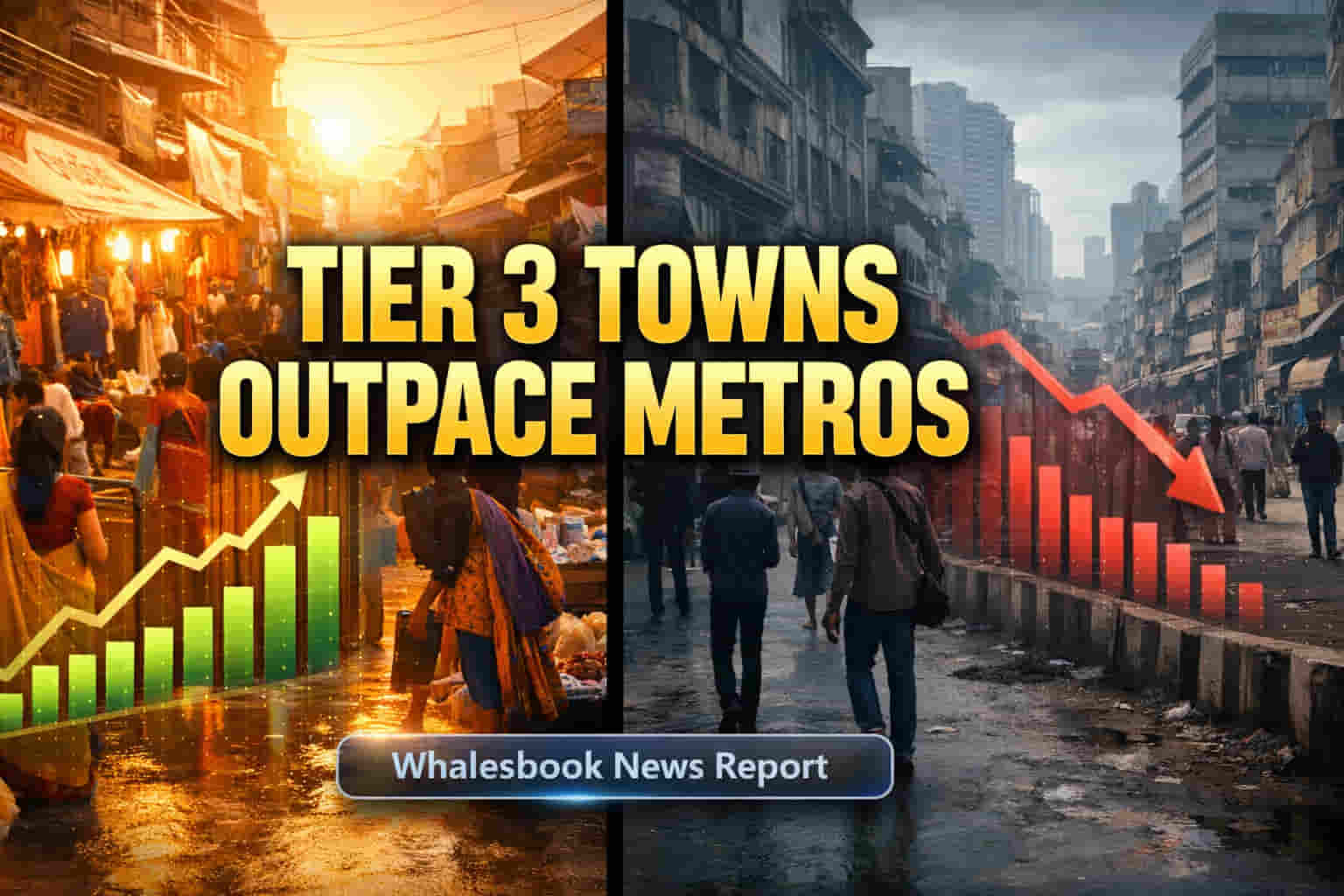
### The Strategic Realignment Imperative
India's consumption narrative has fundamentally shifted. For 2025, the growth engine for physical retail spending is no longer confined to its established metropolises and Tier 1-2 cities. Instead, semi-rural markets, classified as Tier 3-5 towns, have decisively claimed the lead, outpacing their more developed counterparts. This pivot marks a stark departure from the fiscal years 2023-24, when consumer giants like Nestle, Hindustan Unilever, and automotive manufacturers such as Maruti had identified Tier 1 and 2 urban centers as their primary growth cohorts. The implications for businesses are profound: traditional, metro-centric strategies are becoming increasingly inadequate to capture the full spectrum of India's economic expansion.
### The Analytical Deep Dive: Drivers and Historical Context
The burgeoning demand from India's micro-markets is underpinned by two powerful forces: rising aspirational purchasing power and enhanced last-mile connectivity. The rapid expansion of quick commerce platforms, promising swift delivery from groceries to electronics, coupled with the pervasive influence of social media, is bringing a wider array of products and brands within reach of consumers in smaller towns. This trend is not entirely new; historical data indicates a consistent narrowing of the rural-urban consumption expenditure gap since the mid-2000s, suggesting a long-term rise in rural incomes and living standards. Furthermore, the share of food in overall consumption expenditure has declined in both rural and urban areas over the past two decades, signaling an increase in discretionary spending on non-food items and a maturation of consumer lifestyles.
Specialized entities like ClarityX, backed by MapmyIndia's geospatial data expertise, are providing granular analytics to identify these high-potential districts, classifying them into categories such as 'Emerging Powerhouses' and 'Frontier Markets'. This data-driven approach is crucial for brands aiming to understand the nuanced consumption propensity across India's vast geography. The overall Indian retail market is projected to reach approximately $1.93 trillion by 2030, with Tier 2 and 3 cities expected to contribute a substantial share of this growth. Companies like Unilever are already making strategic investments, recognizing the intrinsic market dynamics and geopolitical relevance of India's evolving consumer base.
### The Forensic Bear Case: Navigating the Fragmentation
Despite the optimistic growth figures, significant challenges persist. The decentralization of demand means fragmentation; market entry and sustained growth in Tier 3-5 cities require a far more localized approach than in metros. Brands must overcome language barriers and deeply ingrained local preferences, often relying on word-of-mouth and local retailer networks, which can be difficult to scale. While quick commerce is expanding rapidly, its profitability remains a concern, with many platforms prioritizing scale over profit and facing high operational costs. Furthermore, the impact on traditional kirana stores is substantial, with reports of economic distress and closures due to competition from faster, digitally-enabled services. The rapid expansion of quick commerce, while fueling incremental demand, also risks creating an uneven playing field through aggressive pricing and potentially exploitative gig work models. Moreover, the high cost of adapting marketing and distribution for diverse regional tastes and infrastructure limitations can deter smaller players. For companies accustomed to the predictability of metro markets, navigating this complex, fragmented, and rapidly evolving landscape presents a considerable strategic hurdle.
### The Future Outlook: A Data-Driven Expansion
The trajectory points towards continued growth driven by these emerging markets. Analysts project that India will add nearly 100 million new consumers to branded and organized retail by 2030, with a disproportionate share originating from smaller cities. The e-retail market, expected to reach $170-$190 billion by 2030, is seeing over 60% of new online shoppers since 2020 emerge from Tier-3 or smaller towns. This signifies a sustained shift where mobile-first consumers in these regions are forming brand preferences that will shape decades of consumption. Companies that leverage AI-driven insights, invest in localized strategies, and build robust hyper-local supply chains are best positioned to capitalize on this transformative phase in India's economic development.