

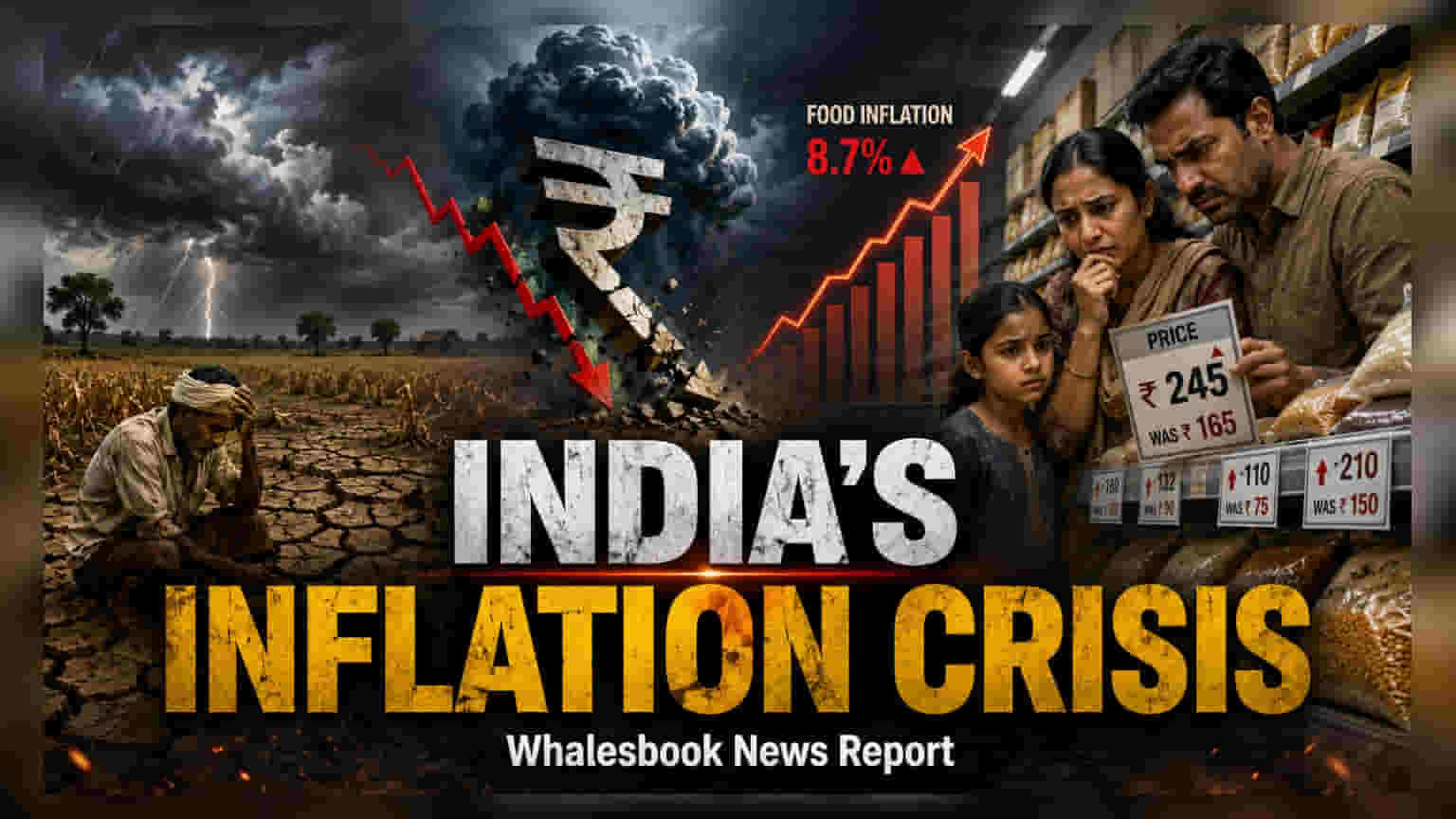
Retail inflation reached 4.38% in June, driven by food price pressure linked to uneven monsoon rainfall. This rise in essential commodity costs affects household budgets and highlights the economy's reliance on weather patterns. Investors are watching how government food supply management and long-term irrigation spending might influence future price trends and rural demand.
Retail inflation in India increased to 4.38% in June, a development that brings the vulnerability of the agricultural sector to weather patterns back into focus. Because food items make up a significant portion of the average Indian family's monthly budget, fluctuations in rainfall directly influence the prices of staples like vegetables, cereals, and pulses. When monsoon patterns are disrupted, agricultural output often suffers, which quickly reflects in the retail price data.
Economic Impact on Rural Demand
The ripple effects of an uneven monsoon extend well beyond the farm gate. When agricultural production is impacted, rural household incomes often decline. This reduction in disposable income can lead to lower consumer spending in rural areas, which in turn affects companies across various sectors including fast-moving consumer goods, two-wheelers, and tractors. Investors often monitor these trends to gauge the health of rural demand, as a slowdown in the agricultural belt can hurt the growth prospects of major consumer-facing companies.
Government Strategy and Buffer Stocks
To manage price volatility, the government often relies on tools such as buffer stock releases and supply monitoring to keep essential food prices stable. Analysts and economists frequently suggest that these interventions, along with strict anti-hoarding measures, are necessary to prevent rapid price spikes. For the market, the speed and effectiveness of these government responses are important monitorables, as they influence the overall inflation trajectory and, by extension, the outlook for interest rates set by the Reserve Bank of India.
Infrastructure and Long-Term Resilience
While weather events remain outside of human control, the structural reliance on rain-fed agriculture continues to be a key point of discussion for policymakers. Currently, a large portion of India’s cultivated land still depends primarily on rainfall rather than consistent irrigation. This reliance creates an ongoing need for increased investment in canals, reservoirs, and watershed management systems. From an investor's perspective, companies involved in infrastructure development, irrigation technology, and water management solutions often stand to benefit when the government prioritizes long-term agricultural resilience over short-term relief measures. The next phase of economic data will be critical in determining whether these inflationary pressures are temporary or if they indicate a more sustained challenge for the domestic economy.