

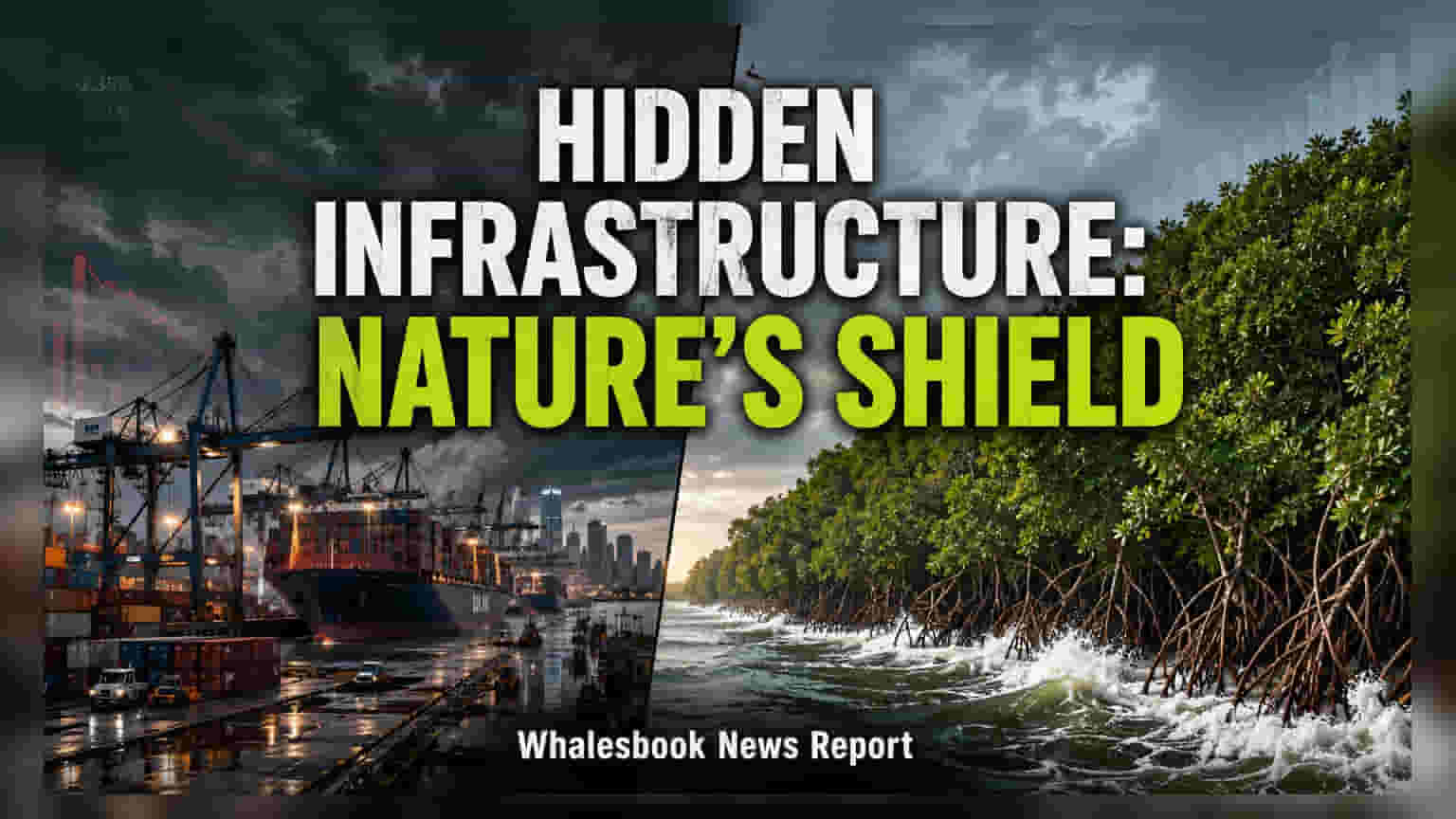
India’s annual public infrastructure spending of ₹11 trillion is increasingly integrating natural defenses like mangroves and wetlands. For investors, this shift marks a move from viewing nature solely as an environmental concern to recognizing it as a critical risk-mitigation tool for long-term asset protection.
India is currently investing over ₹11 trillion annually into public infrastructure, cementing it as a core driver of economic growth. As this capital deployment accelerates, a critical shift is taking place in how the government and large corporations define and protect these assets. The traditional view of infrastructure—defined solely by concrete, steel, and machinery—is expanding to include 'natural infrastructure' such as mangroves, wetlands, and urban forests.
The economic logic behind this shift is rooted in risk management. Engineered assets like ports, coastal roads, and power plants are increasingly vulnerable to extreme weather events. The World Bank has projected that surface-flooding risks could affect two-thirds of India's urban population by 2030, potentially leading to annual losses of $5 billion, with figures rising significantly by 2070. For the infrastructure sector, this creates a tangible threat to operational continuity and asset integrity. Integrating natural systems acts as a buffer; for example, mangroves dissipate energy from storm surges, protecting coastal port infrastructure, while wetlands manage urban drainage, reducing the strain on expensive, man-made flood control systems.
Corporate India is beginning to treat these ecological features as essential components of their business risk framework, rather than just CSR projects. Companies such as Adani Ports have utilized bio-shields like mangrove belts to protect coastal installations from seawater intrusion and saline winds. Similarly, Tata Steel has signaled plans to integrate biodiversity management into its operational strategy by 2030. These moves are not merely about sustainability; they are proactive steps to avoid future costs related to infrastructure damage, operational downtime, and rising insurance premiums.
From a financial perspective, this recognition is crucial. When businesses or government bodies fail to account for the protective value of existing ecosystems, they risk underestimating the potential for asset damage. A road or port protected by a wetland is less likely to face costly repairs after a flood compared to one that lacks such natural buffering. As climate risks become more pronounced, the cost-effectiveness of this hybrid approach—combining traditional engineering with natural defenses—is becoming a key consideration in project appraisal.
The challenge for investors remains in the implementation and financing of these systems. Because the benefits of nature-based solutions—such as flood reduction or heat mitigation—often spill over to entire regions rather than benefiting a single project, traditional financing models struggle to capture the full value.
Looking ahead, investors should monitor how companies and government bodies report these risks in their annual disclosures. Instead of looking only at physical asset creation, the focus will increasingly shift toward how these entities maintain the ecosystems that protect their core business operations. Key indicators for the future will include the integration of nature-based risk assessment in corporate balance sheets and the explicit inclusion of ecological restoration in long-term infrastructure project lifecycles.