 Whalesbook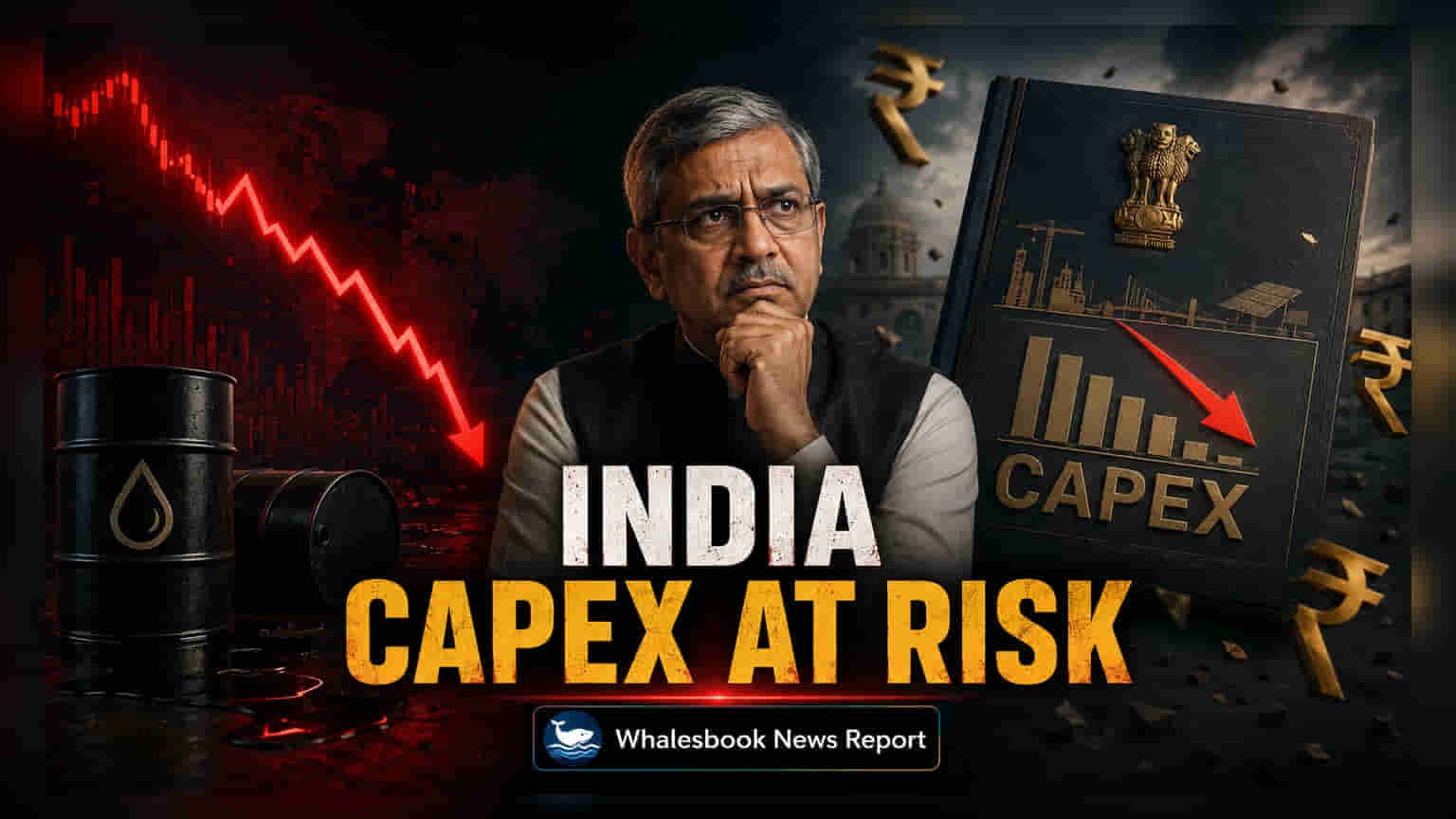


Fiscal Policy Shifts Towards Preservation
India's economic strategy appears to be transitioning from driving growth through high capital spending to focusing on fiscal stability. For years, strong capital expenditure was a key engine for GDP growth, but the current financial climate suggests a change. An estimated shortfall of 1.25 lakh crore to 1.5 lakh crore rupees creates a difficult situation for government finances. Because defense spending is essential due to global security concerns, the adjustments will likely fall on non-defense projects, potentially slowing down how quickly these projects can be completed in the coming fiscal year.
Oil Companies and Revenue Fluctuations
Public sector oil companies are in a difficult spot. These companies need oil prices between $85 and $87 a barrel to break even on their fuel sales. This means they have little room to absorb any further taxes or levies from the government. If the government prioritizes meeting its deficit targets over keeping fuel prices stable, consumers could face higher prices, or the government might receive lower dividend payments. This complicates the government's ability to fund its capital spending. Historically, when government dividends decrease, the gap is often filled by selling state-owned assets, a strategy that has met with mixed success and delays in the past.
Risks of Fiscal Imbalance
The risk of the government spending more than it earns goes beyond simple accounting errors; it threatens the credibility of its plans to reduce the deficit over the medium term. Predictions from institutions like Morgan Stanley indicate that lower tax income and higher costs for fertilizer subsidies could push the fiscal deficit to around 4.5 percent of GDP. This would undo the progress made in consolidating public finances in recent years. Unlike private companies that can adjust their investments quickly, the government's commitment to long-term infrastructure projects means that even a brief halt in funding can lead to significant cost increases and inefficiencies.
Geopolitical and Economic Shocks
Analysts are closely watching the Middle East for potential disruptions. While current oil price changes are a focus, some firms estimate a 40 percent chance of major supply interruptions, such as the Strait of Hormuz being closed. This highlights how vulnerable India's economy is to outside events. If such a crisis occurs, the cost of subsidies would skyrocket, making current fiscal planning unreliable. Consequently, investors are starting to demand a higher return for stocks linked to government infrastructure contracts, signaling concerns that the period of rapid, unrestricted capital spending might be giving way to a more selective and constrained approach.