

India’s rapid road infrastructure expansion is facing scrutiny as premature road failures, including cracks on newly inaugurated expressways, highlight systemic quality issues. For the construction sector, this raises concerns over maintenance liabilities, potential shifts in government procurement policies, and long-term margin pressures as the industry balances construction speed with structural durability.
India has aggressively expanded its road network, with infrastructure data showing a growth of over 60% between 2014 and 2025. However, this pace of development is now under pressure as reports of cracks, surface slippage, and premature pothole formation on recently opened projects—such as parts of the Kanpur-Lucknow Expressway—have highlighted a disconnect between construction speed and long-term structural integrity. For investors and market observers, this is shifting the focus from simple network expansion to the sustainability and quality of the assets being built.
The Hidden Cost of the 'Lowest Bidder' Model
A central issue being discussed by industry experts is the 'L1' or lowest-bidder procurement model. Under this system, government contracts are frequently awarded to the company offering the lowest price. While this model aims to reduce public spending, it can create a cycle of cost-cutting. Construction firms aiming to protect their profit margins may feel pressure to use lower-cost materials or compromise on drainage and design specifications. When these infrastructure projects fail prematurely due to poor quality, the financial and reputational burden often falls back on the contractors, who may face penalties or the cost of recurring repairs.
Financial and Operational Risks
The deterioration of road quality poses several risks for infrastructure companies. First, there is the risk of increased maintenance liability. If contractors are held responsible for defects shortly after construction, it can erode the profitability of those projects. Second, the sector is currently experiencing a slowdown in the pace of national highway awarding and construction between FY25 and FY27. If government agencies tighten quality control norms, companies that have focused on rapid, low-cost execution may find it harder to compete against players with stronger technical capabilities and better track records in durability.
Public Safety and Regulatory Focus
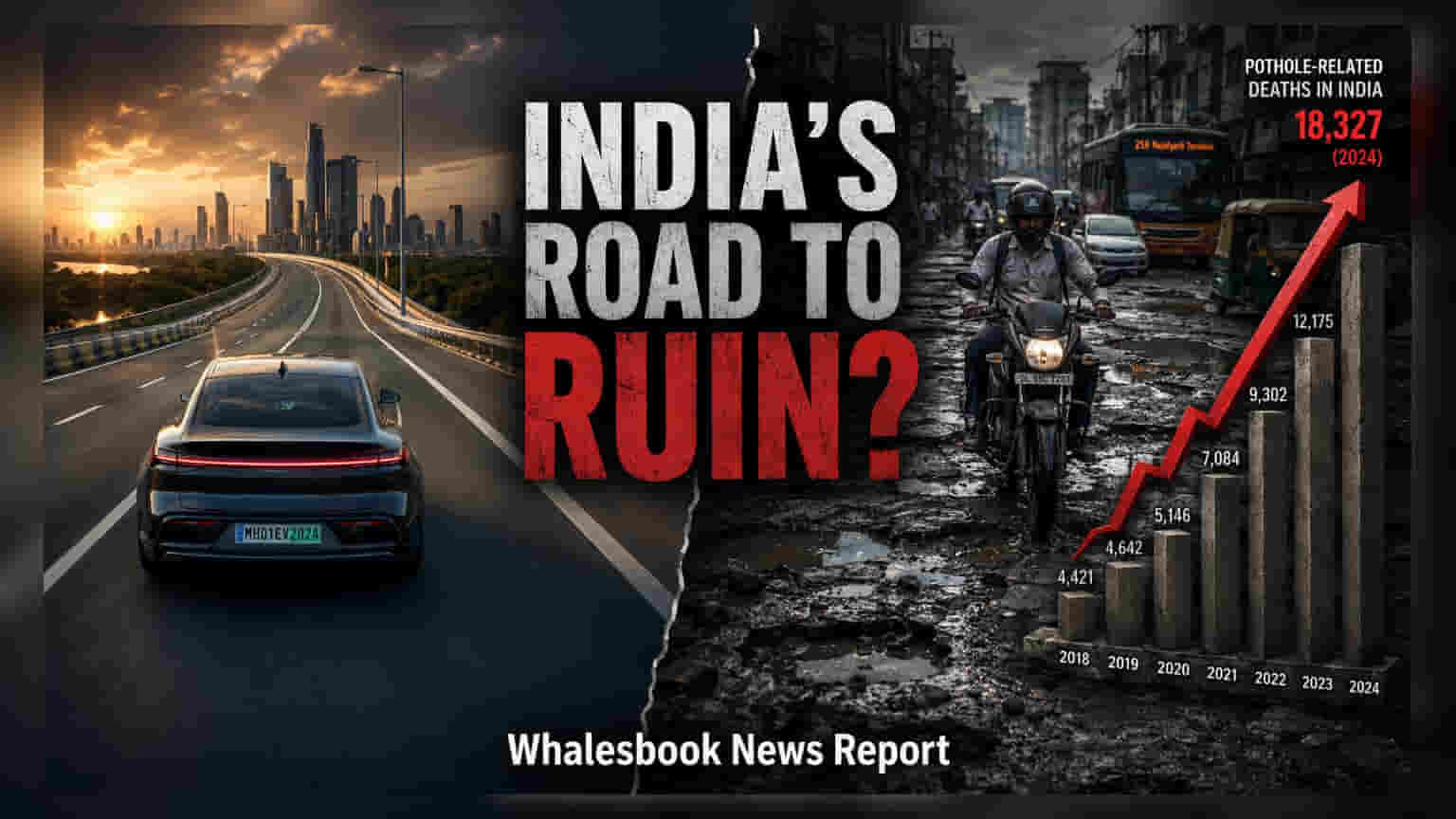
The human cost of this infrastructure crisis is significant. Official data indicates that between 2020 and 2024, there were over 23,000 pothole-related crashes, resulting in approximately 9,440 deaths. These figures have drawn sharp criticism and increased calls for systemic reform. As safety concerns mount, regulators and agencies like the National Highways Authority of India are likely to face pressure to prioritize quality-based tender processes over pure cost-based ones. For the broader market, this suggests that the government may implement stricter audit requirements, which could lead to project delays in the short term but theoretically benefit companies that prioritize long-term asset life.
Investors looking at the infrastructure space may monitor how companies adjust their execution strategies in response to these quality concerns. The key monitorable will be whether future government policies favor contractors who demonstrate superior technical capability, and how effectively developers can manage maintenance obligations without squeezing their bottom lines.