 Whalesbook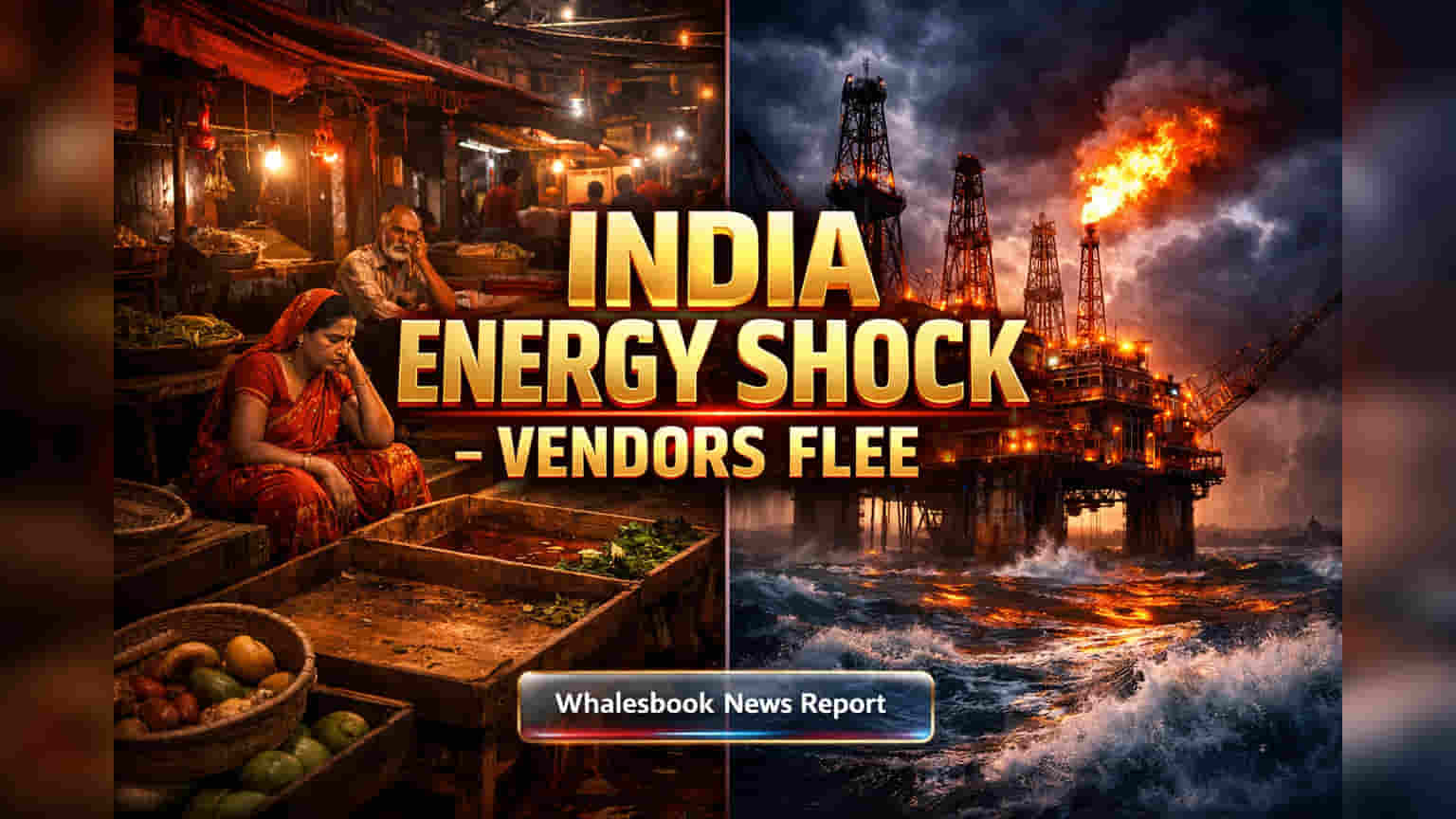
The energy crisis, fueled by disruptions in the Persian Gulf, is hitting India hard. The rising cost of cooking fuel, especially LPG, poses a serious threat to vulnerable populations and businesses. Many are being forced to return to basic fuels like kerosene, coal, and firewood, severely impacting their already tight profit margins.
Informal Sector Under Severe Strain
The conflict in the Middle East has severely impacted India's urban laborers and small food businesses. Satyapal, a roadside stall owner, is a prime example. He had to switch back to kerosene, an expensive alternative he’d stopped using in 2013. The price for this kerosene has jumped tenfold, now costing nearly $32 for a basic stove. His family faces similar issues, with LPG cylinders selling for four times the normal price on the black market. This has forced his wife to use a makeshift oven fueled by firewood. Daily sales at his stall have dropped by half, leading him to raise meal prices from 40 to 50 rupees, which further reduces customer numbers. Raju Bhandari, who has run an eatery at Kashmiri Gate since 1984, has also seen sales cut in half and cut back on vegetable oil. His kitchen, which once used four large LPG cylinders daily, now relies on coal and wood, making even simple tasks like cleaning utensils difficult. This shift away from LPG shows that the commercial sector is not receiving the same priority as household supply from the government.
Government Actions and Market Realities
The Indian government recognizes the social and political impact of the fuel crisis. It has used emergency powers to increase domestic LPG production and encourage the use of Piped Natural Gas (PNG), adding about 10,000 new PNG connections each day. Authorities have conducted over 3,000 raids to stop hoarding and black market sales, aiming to stabilize supply. The government states that current measures meet around 60% of the country's demand. However, commercial LPG supplies have been significantly reduced. India relies heavily on imports for LPG, with nearly 60% of its demand met this way, and over 90% of these imports traditionally passed through the Strait of Hormuz. Although India is trying to find new import sources, longer shipping routes and higher freight costs create difficulties. Government statements recently claimed there is no LPG shortage and prices are stable, calling some reports misinformation. Yet, they also increased commercial LPG allocations to 70% of pre-crisis levels to aid businesses. This presents a clear contrast between official reassurances and the difficult situations faced by businesses and consumers on the ground.
Vulnerabilities Exposed
India is particularly vulnerable to energy shocks due to its limited strategic reserves and reliance on administrative measures over substantial stockpiling. The current crisis highlights a deep structural dependence on imported LPG, with imports covering a gap of over 10 million metric tons in the first half of FY 2025-26. Limited LPG storage capacity, estimated at only about 22 days of supply, leaves the country exposed to extended disruptions. Prioritizing domestic households, while necessary for social stability, severely hinders small businesses that struggle to switch fuels quickly. The pressure on the informal economy may lead to rising unemployment and a return of workers to rural areas, mirroring patterns from the COVID-19 pandemic. The conflict's effects also extend to fertilizer production due to natural gas shortages, potentially disrupting agriculture. Higher import costs are expected to widen India's current account deficit, worsen inflation, and weaken the rupee.
Economic Outlook Cautious
Economic forecasts indicate growing caution. Goldman Sachs has reduced India's GDP growth forecast for 2026 to 5.9%, citing increased energy risks and inflation. Moody's warns that Brent crude prices could jump 64% in a severe scenario, causing GDP losses across Asia-Pacific. The OECD predicts India's GDP growth will slow to 6.1% in FY 2026-27, though it will still lead other major economies. The effectiveness of government efforts, such as speeding up the shift to Piped Natural Gas and diversifying energy imports, will be vital in lessening the long-term effects. However, the informal sector faces an uncertain immediate future, dependent on de-escalating geopolitical tensions and successful domestic supply stabilization. While the government aims for energy security and citizen welfare, the path ahead requires navigating considerable economic pressures and structural weaknesses.