

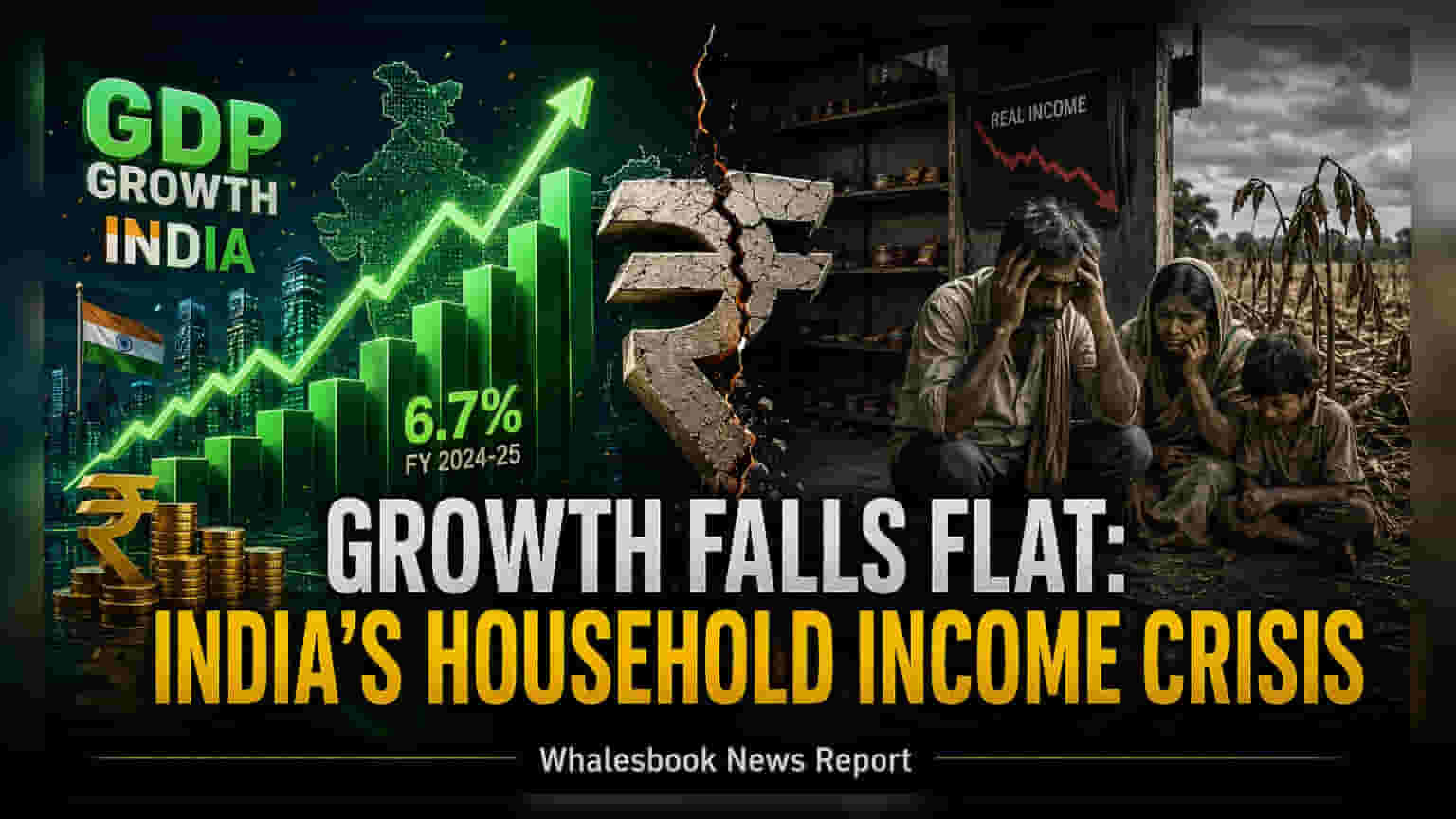
While India's headline GDP grew by 7.7% in FY2026, consumer demand remains weak due to stagnant rural wages and rising costs. This disconnect between macro growth and household prosperity is creating a K-shaped recovery, putting pressure on consumer-facing sectors like FMCG and banking.
Detailed Coverage
India’s headline economic data, which shows a 7.7% GDP growth for the fiscal year 2026, presents a sharp contrast to the actual financial health of Indian households. While the national accounts suggest robust growth, ground-level indicators show a decline in consumer confidence and stagnating income gains, particularly in rural and lower-income urban segments.
The Rural Wage Squeeze
Rural economic activity faces significant pressure as government transfer payments have decreased. Real wages in rural areas remain stagnant, making it difficult for households to manage rising costs. This situation is worsened by agricultural challenges, with sowing activities declining by 16% compared to the previous year. Furthermore, the volatility in global energy markets, specifically rising Brent crude prices, has pushed up input costs for essential sectors like fertilizers. These inflationary pressures, with forecasts suggesting a potential rise to 6% by the third quarter of 2026, continue to erode the purchasing power of the average Indian family.
Policy Constraints and Fiscal Tightening
The Reserve Bank of India and the central government have previously attempted to stimulate consumption through monetary easing and tax adjustments. The central bank has cut interest rates by 125 basis points, while various fiscal tweaks, such as changes to the Goods and Services Tax and income tax relief, provided a temporary uplift to segments like the automobile sector. However, the current ability of policymakers to further support the economy is limited. Interest rates are reaching a practical floor, and inflationary trends are limiting the scope for additional monetary stimulus. Concurrently, the government is focusing on meeting tighter fiscal deficit targets for FY2027, leading to a reduction in public spending, which has disproportionately affected rural development programs.
Impact on Consumption and Jobs
The combination of slowing corporate compensation growth and reduced government spending has deepened the divide in the recovery. This K-shaped trend, where certain high-income segments continue to grow while others struggle, is reflected in the hiring and performance patterns of consumer-facing industries. Sectors such as FMCG and banking have reported slowdowns and localized job cuts, as businesses adjust to a more cautious consumer environment. For investors, the primary monitorables remain the trajectory of rural demand, inflationary trends impacting raw material costs, and any shift in government focus toward employment-intensive services as a strategy for more broad-based economic recovery.