

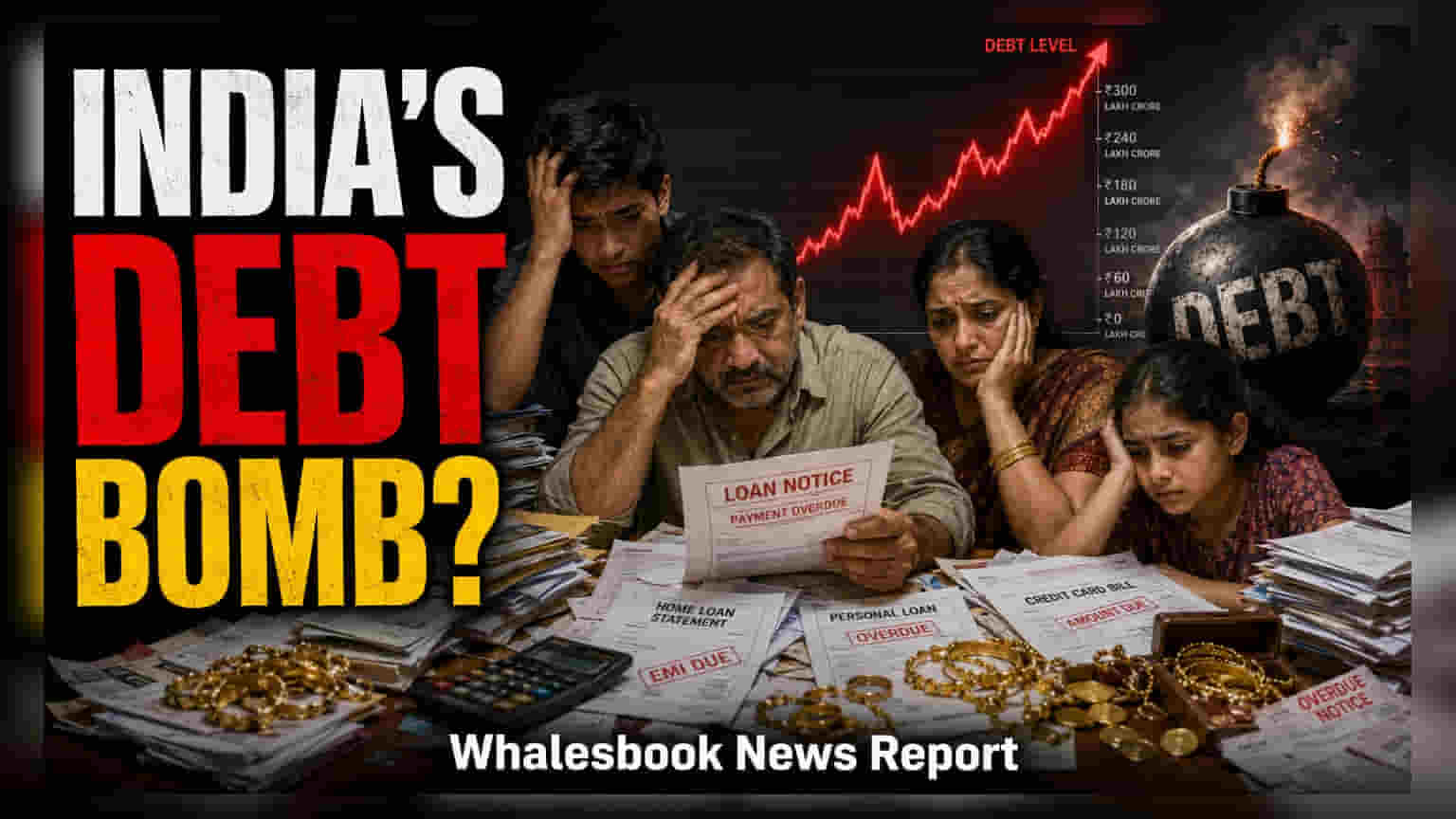
India's household debt reached 45.5% of GDP as of June 2026, driven largely by non-housing retail loans like credit cards and personal credit. With unsecured borrowing outpacing asset creation, the Reserve Bank of India is tightening scrutiny to ensure long-term financial stability. While bank asset quality remains strong, the central bank is monitoring how these debt levels impact the economy's ability to handle interest rate changes.
The Reserve Bank of India (RBI) is keeping a close watch on the rising debt burden of Indian households, which reached 45.5% of GDP according to the June 2026 Financial Stability Report. This rising figure is not merely a personal finance issue but has become a significant factor in how the central bank shapes monetary policy. The shift is primarily driven by non-housing retail loans—including personal loans, credit card debt, and gold loans—which now constitute 58.4% of total household borrowings.
The Shift Toward Consumption-Based Debt
A critical concern for regulators is that borrowing is increasingly funding consumption rather than productive asset creation. While housing loans typically create long-term assets for families, the current surge in unsecured credit suggests that many households are using loans for daily expenses, medical emergencies, or personal milestones. Data indicates that when household debt grows faster than income, families become highly vulnerable to economic shocks, such as job losses or business downturns.
To address risks in the gold loan segment, the RBI implemented a new regulatory framework in April 2026. This framework introduced stricter Loan-to-Value (LTV) ratios and standardized repayment norms to replace older practices that relied heavily on bullet repayments. By enforcing more regular payment structures, the regulator aims to prevent sudden stress for borrowers and ensure that lending practices remain transparent and sustainable.
Banking System Health vs. Household Pressure
Despite the mounting debt pressure, the Indian banking sector remains stable, with gross Non-Performing Assets (NPAs) at a multi-decadal low of 1.8% as of mid-2026. However, analysts and the central bank are monitoring the widening gap between credit growth and deposit growth. Banks are aggressively competing for deposits to fund the high demand for retail loans, which could put pressure on profit margins. If interest rates remain elevated or if economic growth slows, the reliance on high-cost retail credit could expose banks to potential delinquencies, even if current numbers look healthy.
Impact on Monetary Policy
High household debt levels change how the economy reacts to RBI policy decisions. When a large portion of the population is deeply indebted, changes in interest rates affect their disposable income more directly. This makes monetary policy transmission more sensitive; if households are struggling with monthly EMI payments, they are likely to cut back on other spending immediately, which can dampen overall demand in the economy.
Investors and market observers are watching for future updates on credit growth versus deposit growth and any further regulatory guidelines on unsecured lending. The focus remains on whether household repayment capacity can keep pace with credit growth as the sector adjusts to the RBI’s stricter oversight.