

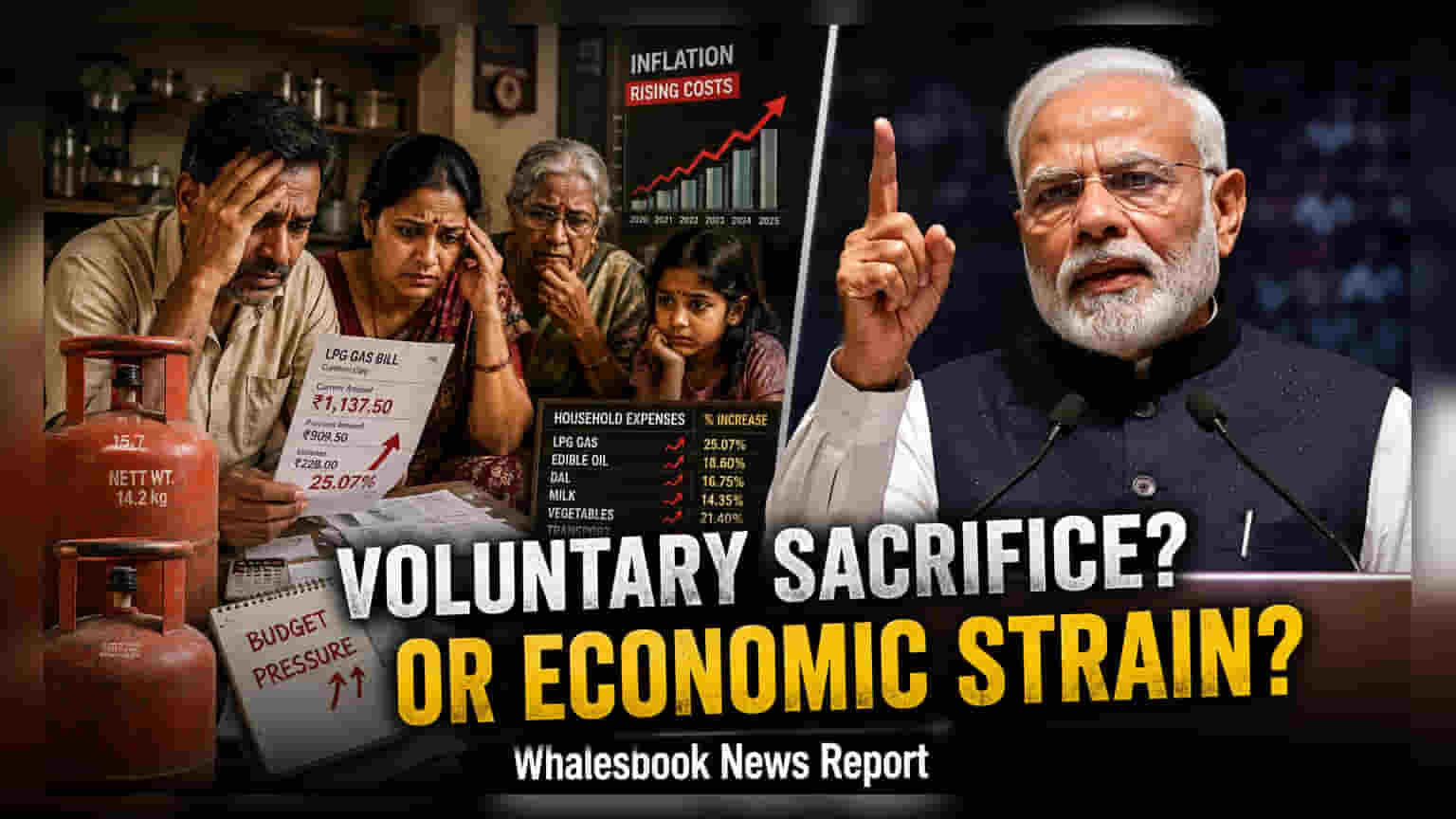
The 'GiveItUp' initiative, which urges citizens to surrender LPG subsidies, is under renewed scrutiny in August 2026. While the campaign was originally intended to support fiscal efficiency, recent discussions highlight growing concerns over inflation, household purchasing power, and the broader allocation of government resources toward social infrastructure.
The 'GiveItUp' campaign, launched in 2015 to encourage affluent LPG consumers to voluntarily forgo cooking gas subsidies, has returned to the public discourse in August 2026. Initially framed as a successful citizen-led effort to reallocate funds toward underserved households, the initiative is now being viewed through a different lens as the national economic landscape evolves.
Macro-Economic Pressures and Consumer Sentiment
The current debate centers on the disconnect between the government's call for voluntary sacrifice and the rising cost of living. For many households, the economic reality of 2026 involves navigating persistent inflationary pressures, which have tightened discretionary budgets. Investors and economists are increasingly focused on how these household-level financial strains might impact broader consumption patterns. As citizens face higher costs for essential goods, the political and social appetite for policies perceived as reducing support mechanisms has shifted.
Critiques emerging in August 2026 highlight a perceived tension between the government's messaging on fiscal prudence and the actual ground reality. Analysts point to indicators such as the intense competition for public sector employment—as seen in the significant number of applicants for limited government vacancies—as evidence of persistent job market challenges. These factors influence investor sentiment, as they directly impact the disposable income available for private consumption, a critical driver for the Indian economy.
Fiscal Policy and Institutional Oversight
Beyond household budgets, the debate has expanded to include questions about government spending priorities. Critics have raised concerns regarding the allocation toward essential sectors like education, noting that budget percentages dedicated to social infrastructure have seen fluctuations over the last decade. This fiscal focus is particularly relevant for long-term growth planning, as human capital investment is widely considered a cornerstone of sustainable economic expansion.
Simultaneously, the introduction of the Indian Statistical Institute Bill, 2026, has added a layer of complexity to the governance discourse. The bill, which aims to provide a new statutory framework for the institute, has faced opposition from faculty and alumni who fear a potential loss of institutional autonomy. For observers of India's regulatory environment, the intersection of administrative oversight and institutional independence is a key factor in assessing policy stability and data transparency.
The future impact of these discussions remains tied to the government's ability to balance fiscal discipline with public expectations for support and transparency. As the 'GiveItUp' narrative continues to evolve, the focus for stakeholders will remain on how these policy choices influence public trust, consumer spending capacity, and the overall macroeconomic environment in the coming quarters.