

Indian Global Capability Centres are ramping up workforce expansion in FY27, with 52% of firms planning to hire. While the sector shifts toward specialized roles in Artificial Intelligence, investors should monitor rising wage costs and a 40% skills gap that could impact project timelines and operating margins.
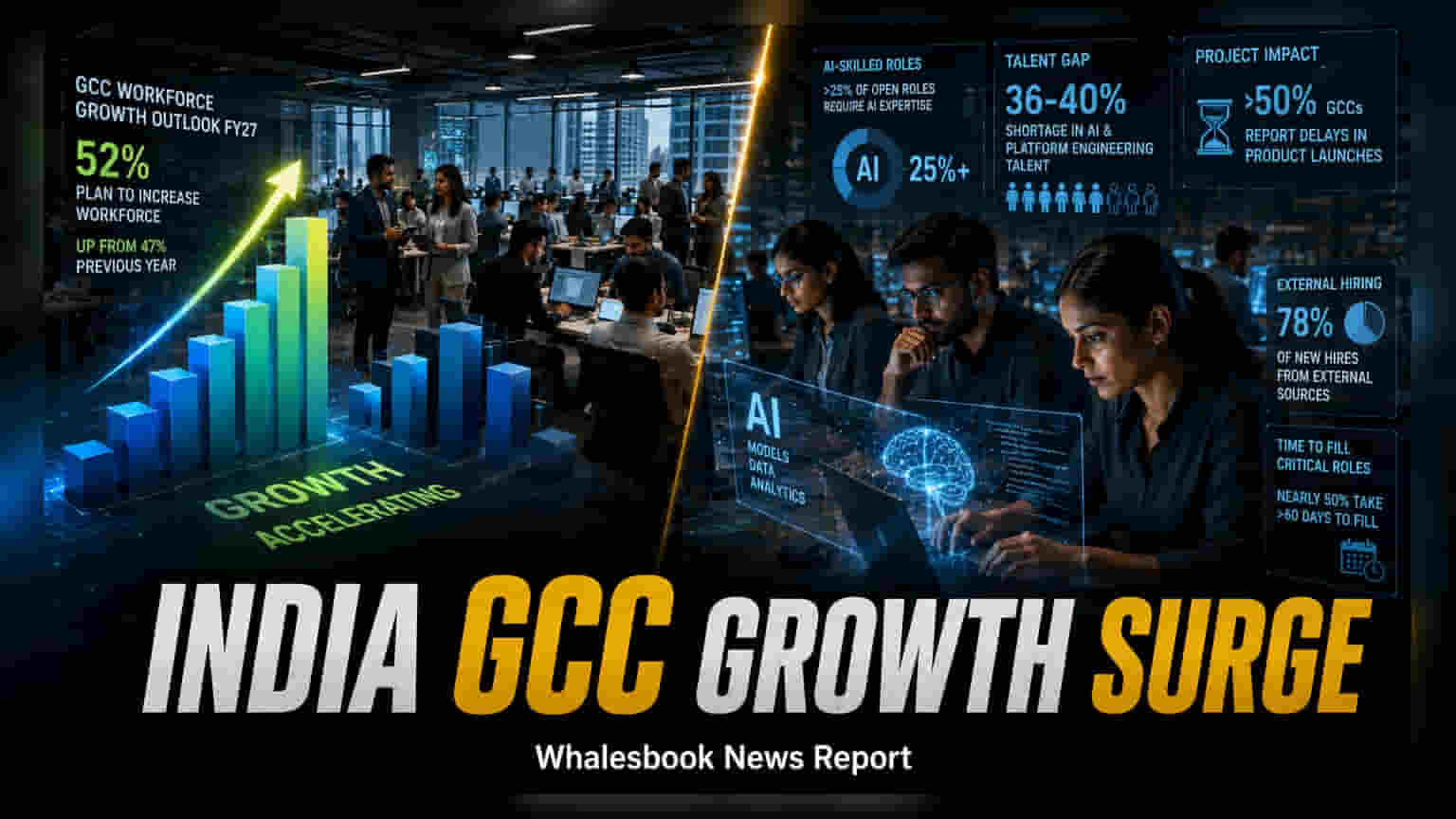
Global Capability Centres (GCCs) in India are preparing for a significant expansion in fiscal year 2027. According to the latest data from the Taggd-CII industry survey, 52% of these centers plan to increase their workforce, a rise from the 47% seen in the previous year. This trend confirms that multinational companies continue to prioritize India as a central hub for their global operations and innovation strategies.
While the hiring outlook is positive, the nature of recruitment is changing. The era of broad, volume-based hiring is being replaced by a strategy focused on precision. GCCs are no longer just filling seats; they are targeting specific skill sets to bridge technical gaps. Early-career talent—freshers and professionals with up to five years of experience—remains a major focus, accounting for 46% of the planned intake. However, companies are becoming much more selective, opting for smaller, highly focused training cohorts to ensure that new employees are productive as quickly as possible.
The AI Skills Challenge
The primary driver for this hiring shift is the rapid adoption of Artificial Intelligence. Nearly half of the GCCs surveyed reported that more than 25% of their open roles now require AI-related expertise. This transition is essential for companies aiming to lead in innovation, but it creates a difficult operating environment. The sector is currently facing an estimated 36% to 40% gap in specialized talent for AI and platform engineering roles. This shortage is not merely an HR challenge; it is affecting project delivery, with more than 50% of GCCs reporting delays in product launches due to the inability to fill critical technical roles quickly.
Financial and Operational Risks
Investors should look beyond the headline expansion numbers to understand the underlying costs. The industry relies heavily on external talent, which makes up 78% of all new hires. A significant portion of this talent is sourced from IT services companies, other GCCs, and product startups. This high dependence on external hiring in a competitive market is driving compensation inflation, as companies bid aggressively for the same pool of skilled professionals.
This wage inflation is a potential headwind for operating margins. As GCCs compete for a limited supply of AI-proficient workers, rising payroll costs could pressure profitability. Furthermore, with nearly half of critical roles taking more than 60 days to fill, the cost of delayed productivity is rising. The ability of these centers to pivot toward internal reskilling and upskilling programs will be a key factor in managing these expenses. The primary monitorable for the coming quarters will be how effectively these firms can balance their aggressive growth plans with the rising cost of acquiring and retaining specialized AI talent.