 Whalesbook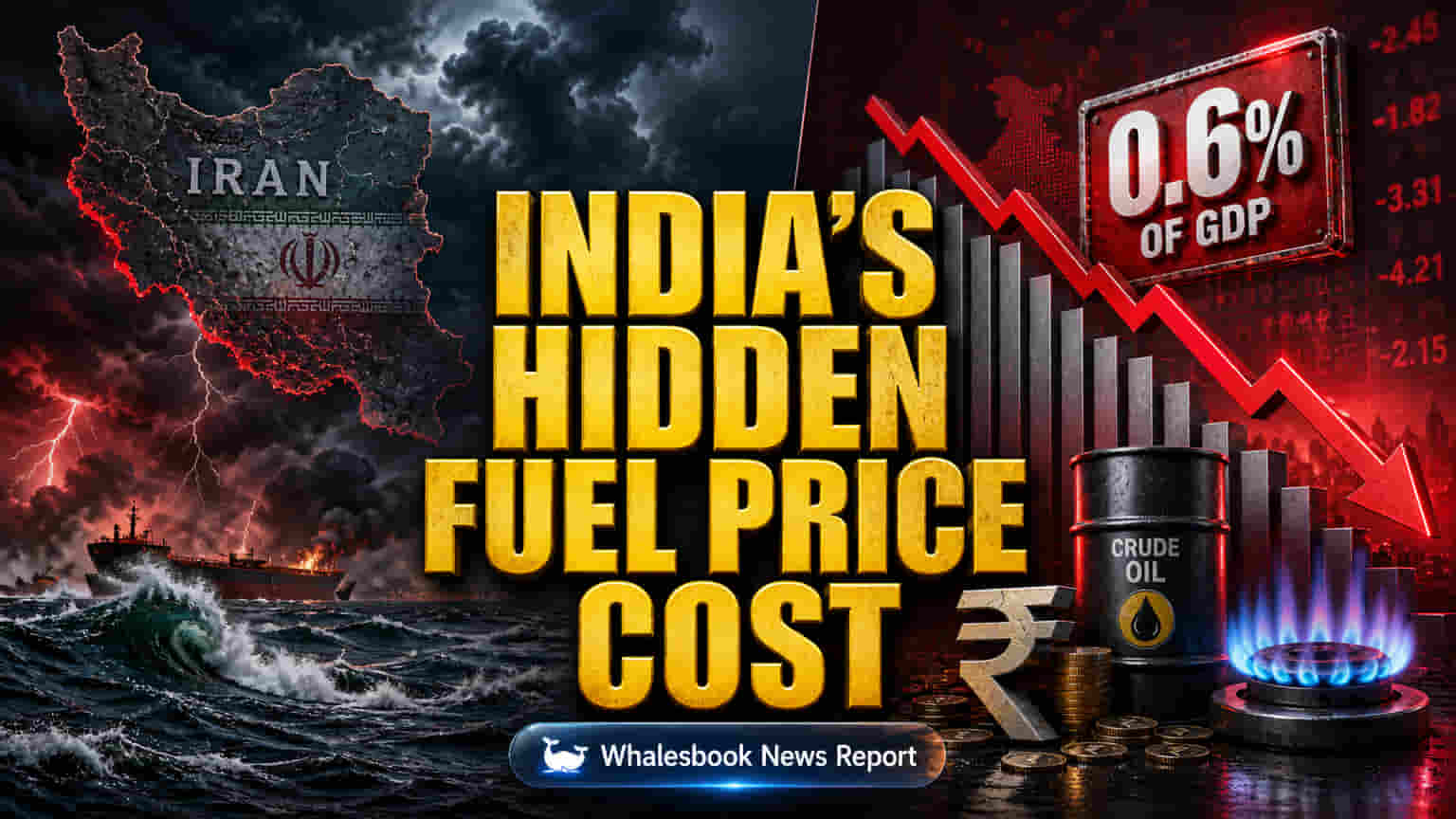


India's Fuel Subsidies Strain Budget, Risk Economy
India's policy of keeping domestic fuel prices fixed, even as global energy costs rise, is creating significant pressure on the nation's finances and economic path. Analysis shows this approach, while offering consumers immediate relief, is becoming unsustainable and hinders development goals.
Mounting Budgetary Costs
The cost of artificially holding down fuel prices is significant. One report estimates it at about 0.6% of India's Gross Domestic Product (GDP) each year. This large sum diverts limited government funds from essential areas like infrastructure, education, and healthcare. When financed by borrowing, it increases public debt. Chief Economic Advisor V. Anantha Nageswaran has warned about challenges to the fiscal deficit target of 4.3%. Rising global crude oil prices, partly due to conflicts in West Asia, are worsening these pressures. This risks widening India's trade gap (current account deficit) beyond a sustainable 2% of GDP. With India importing about 85-88% of its crude oil, it is highly exposed to price shocks.
Subsidies Favor Wealthier Households
The fuel subsidy system is also unfair. Petrol subsidies mainly benefit higher-income families, who are better able to handle price increases. This means public money is mostly helping those who don't need it most, which goes against fair development. Moreover, high import costs at inflated global prices strain the trade gap and weaken the Indian Rupee. This makes all imports more expensive and could raise inflation. High industrial electricity rates, averaging around $95 per megawatt hour, also hurt India's competitiveness compared to other countries.
Energy Security Risks
Holding down fuel prices clashes with India's goals to boost cleaner energy. Relying on imported fossil fuels, especially with potential disruptions in key shipping lanes like the Strait of Hormuz, creates significant risks for energy supply. India is expected to drive a large portion of global energy demand growth in the future, making it vital to reduce import dependency. While India is working to increase renewable energy capacity to 500 GW by 2030, thermal power still makes up about half of its installed capacity, showing a continued dependence on fossil fuels. Investor interest in renewables is high, with the NIFTY Energy index's renewable stocks trading at an average P/E ratio of around 28.1x, though the broader energy sector trades near its 3-year average P/E of 13.7x.
Sustainability Doubts
India's current fuel pricing strategy faces serious doubts about its long-term viability, particularly if global oil prices stay high. Absorbing global price shocks instead of passing them to consumers could dramatically increase public debt, forcing tough policy changes later. For example, retail petrol and diesel prices have not changed for over 60 days despite market swings, creating a significant financial burden. The Chief Economic Advisor has warned of a potential inflation surge if bad monsoon weather combines with rising energy costs, threatening household finances. Issues like limited LPG availability have already affected the urban poor and led to job losses in related industries. India's reliance on imported crude oil remains high, around 88% in recent years, and about 70% of its LPG is imported, largely from Gulf nations. Overall, imports supply roughly 40% of India's primary energy needs, a figure expected to grow.
Path Forward: Reforms and Transition
Experts recommend a gradual shift towards allowing international prices to influence domestic fuel costs, combined with direct support for vulnerable families, especially LPG users. This approach aims to cut financial risks while maintaining social safety nets. It also calls for speeding up structural changes to lower oil import reliance, boosting strategic oil reserves, and diversifying supply sources. The government's aim for a 4.3% fiscal deficit this year faces challenges, requiring flexible policy-making. Balancing affordability now with long-term energy sustainability and independence is key for India's path to net-zero emissions by 2070 and its goal of 500 GW of non-fossil fuel capacity by 2030.