 Whalesbook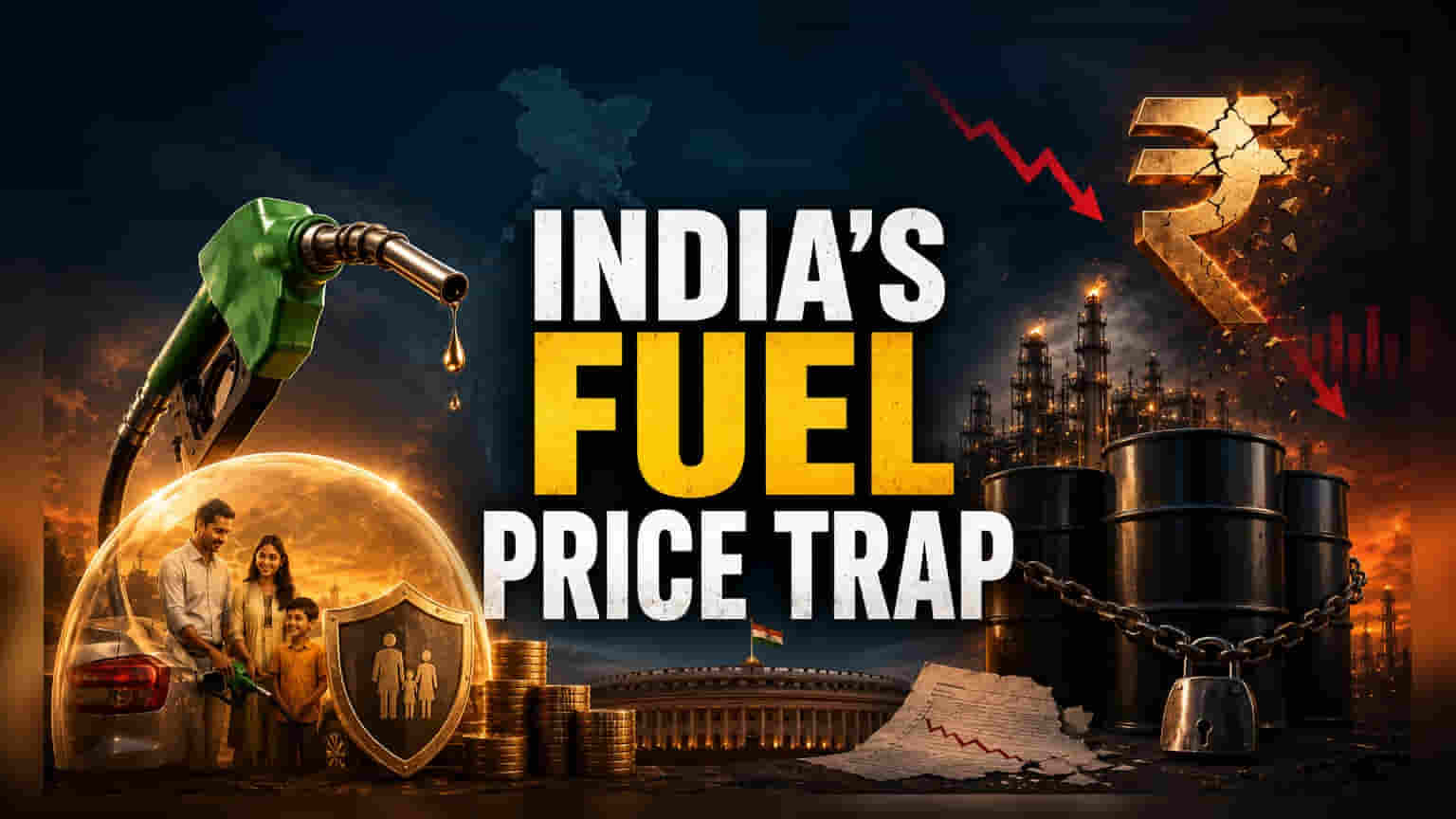


The Fiscal Cost of Price Stability
The reliance on state-controlled fuel pricing mechanisms effectively places the burden of price volatility on the balance sheets of state-run oil marketing companies rather than the end consumer. While this approach prevents inflationary shocks from rippling through the broader economy, it creates a persistent fiscal drag. When international crude prices surge, the lag in domestic price adjustment forces oil majors to absorb losses, ultimately impacting their valuation and limiting their capacity for capital expenditure on refinery upgrades or green energy integration. This implicit transfer of wealth from state-owned enterprises to the public sphere serves as a temporary buffer but does little to incentivize energy efficiency at the household level.
The Shift Toward Structural Resilience
Moving beyond energy-based price stabilization requires a transition toward direct, targeted fiscal transfers. Reliance on fuel price caps is inherently blunt, offering relief to wealthy vehicle owners alongside those who are economically vulnerable. By replacing universal pump price interventions with direct benefit transfers, the government could significantly reduce the strain on the public exchequer. This strategy aligns with broader objectives to bolster the Indian rupee, which remains susceptible to trade deficits driven by high import bills. Recent analyst commentary suggests that the focus must move toward sustained structural reforms in land and labor sectors, which are arguably more effective at attracting foreign direct investment than temporary price masking.
The Bear Case: Energy Dependency and Debt
Critics of the current trajectory point to the structural weaknesses inherent in India’s energy import dependency. Despite significant rhetoric regarding the pivot to nuclear and renewable sources, the country remains hostage to the global crude oil cycle. A reliance on implicit subsidies creates a binary risk: if fiscal conditions deteriorate, the government may be forced into sudden, politically sensitive price hikes, causing immediate inflation volatility. Furthermore, compared to emerging market peers that have embraced more flexible pricing, India faces unique challenges in maintaining a stable debt-to-GDP ratio while simultaneously funding energy transitions. The absence of a robust, fully deregulated pricing environment continues to deter private sector participation in the downstream oil and gas sector, leaving the market concentrated in the hands of a few dominant state players.
Long-term Outlook and Macro Integration
Future economic stability hinges on the integration of trade agreements that diversify energy sourcing and the successful scaling of domestic production capacity. While the government maintains a delicate balance, the mandate for economic growth is increasingly tied to the ability to withstand global energy shocks without resorting to legacy price controls. Analysts indicate that the trajectory of the rupee will likely track closely with the government's progress in phasing out these indirect subsidies in favor of a more transparent, market-linked pricing framework that incentivizes long-term energy independence.