 Whalesbook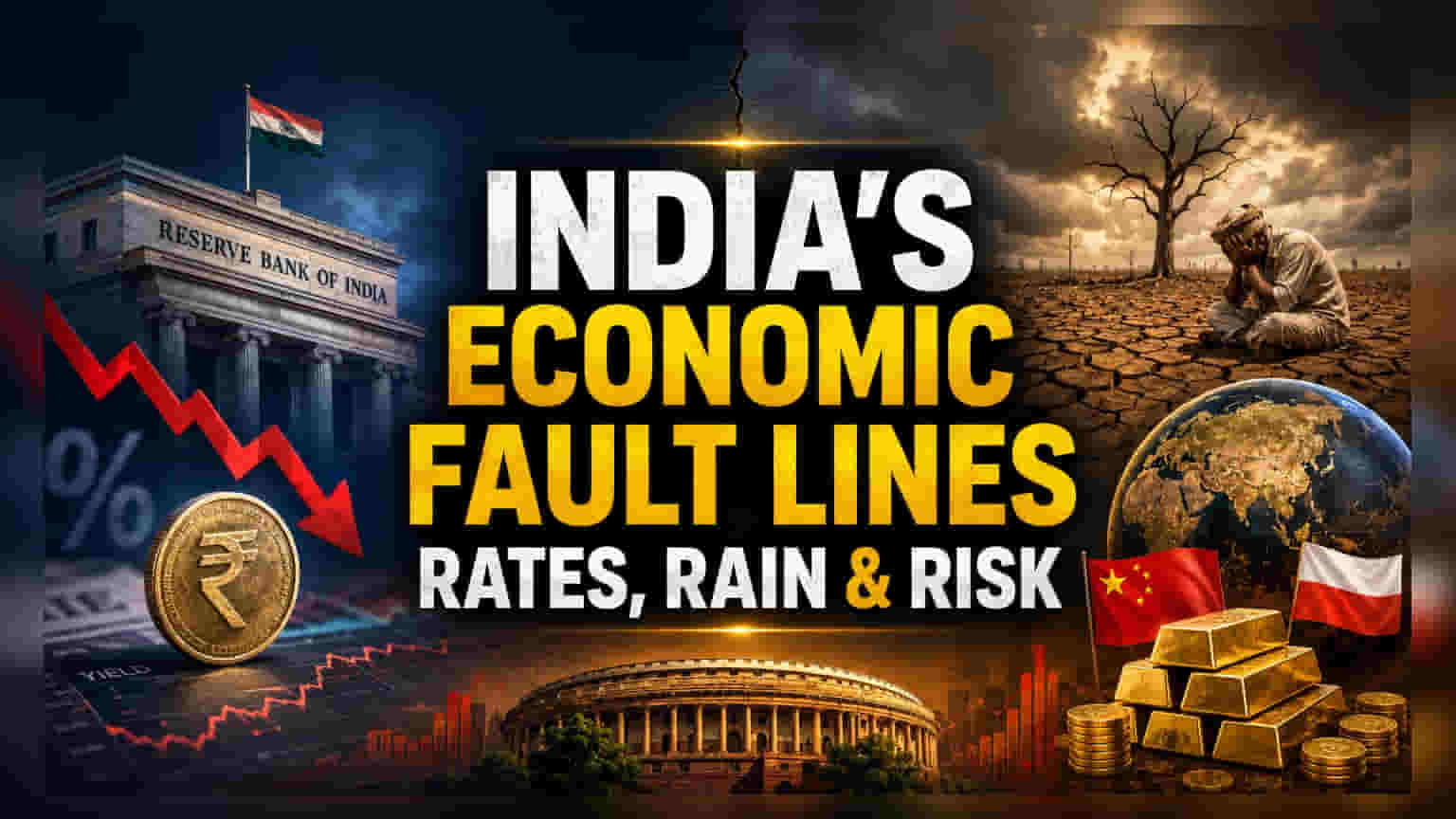


The Transmission Failure
The disconnect between the Reserve Bank of India’s accommodative stance and the reality of the bond market is widening. While the repo rate has been slashed by 125 basis points, sovereign yield curves remain stubborn, reflecting a persistent inflation premium and fiscal anxiety. This dysfunction is not merely a technicality; it forces a higher cost of capital on the state at a time when climate-related volatility threatens to dent tax buoyancy. As the central government navigates a massive borrowing program, these elevated yields effectively cannibalize capital expenditure budgets, prioritizing interest payments over structural growth initiatives.
Agricultural Scarcity and Macro Volatility
The projected monsoon deficit introduces a supply-side shock that complicates the inflation outlook. Beyond the immediate hit to crop yields, the ripple effect through rural consumption power is significant. When rural households face water and crop crises, discretionary spending evaporates, disproportionately affecting the fast-moving consumer goods and tractor manufacturing sectors. Historically, such periods of agricultural distress have forced the government to increase subsidies, further bloating the fiscal deficit and putting additional upward pressure on bond yields, creating a vicious feedback loop that leaves the RBI with limited room for maneuver.
The Global Pivot to Hard Assets
Global central bank behavior provides a mirror to India’s domestic instability. The aggressive accumulation of gold by the People's Bank of China and the National Bank of Poland indicates a broad-based exit from traditional dollar-denominated reserve strategies. This flight to physical assets suggests that sovereign institutions are pricing in a prolonged period of geopolitical fragmentation. For India, this international trend toward reserve hardening coincides with its own domestic struggle to anchor long-term interest rates. As global liquidity tightens, the reliance on gold as a neutral reserve asset is becoming the preferred hedge for nations worried about future sanctions or currency debasement.
Structural Risks and Fiscal Fragility
The primary risk lies in the government's inability to lower borrowing costs without direct market intervention, which often contradicts the mandate of inflation control. Should the monsoon deficit trigger a surge in food prices, the RBI will be forced to choose between supporting growth—which requires lower rates—and maintaining price stability, which might require a hawkish pivot. Investors should monitor the spread between short-term T-bills and long-dated government securities, as an inversion or continued widening will signal that the bond market has lost faith in the current fiscal glide path. The reliance on heavy state borrowing in a high-inflation environment represents a significant structural vulnerability that could lead to credit rating pressure if fiscal targets are missed.