 Whalesbook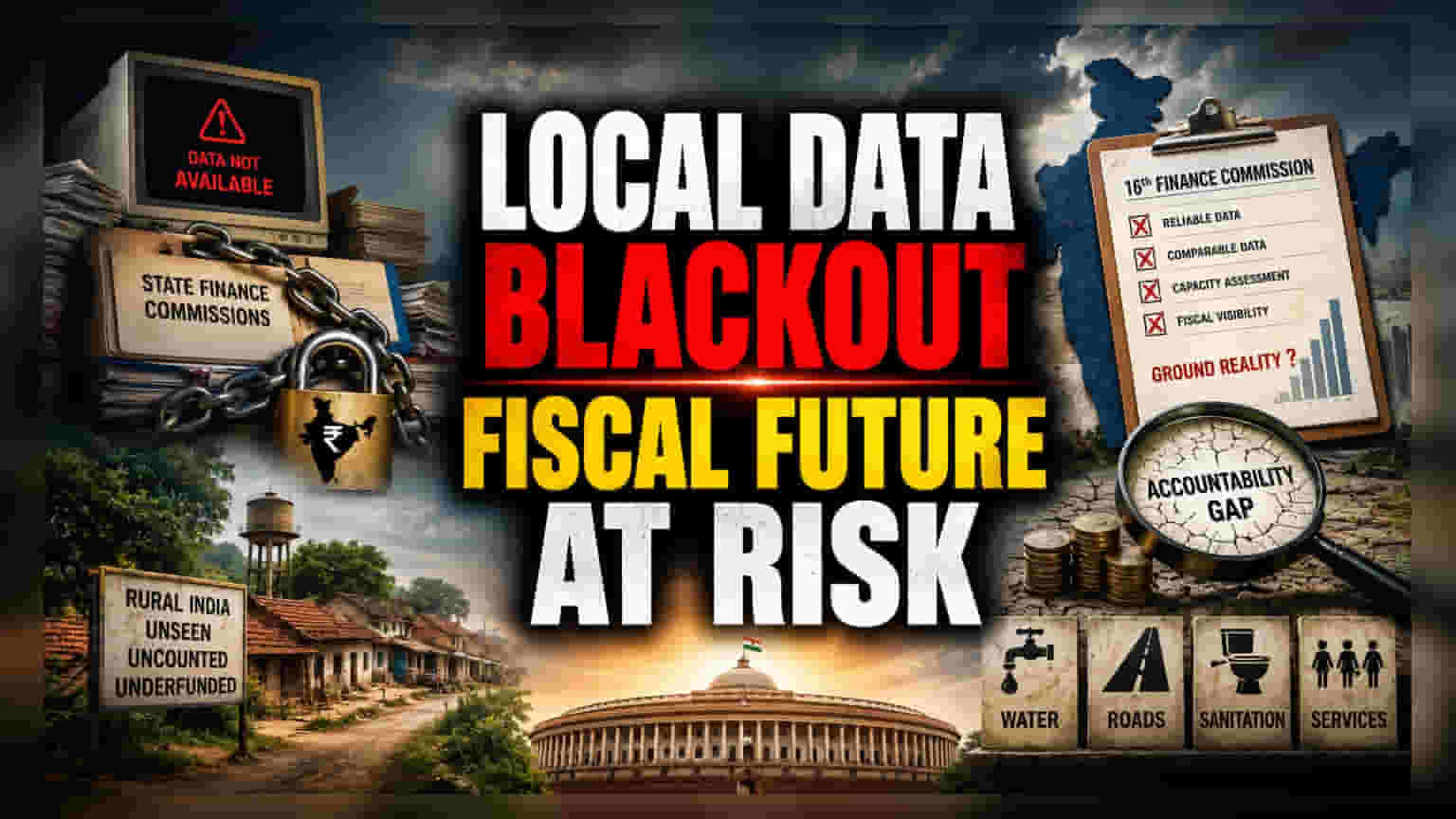


The Structural Data Blackout
The reliance on fragmented, non-standardized reporting from State Finance Commissions has created a blind spot in India’s fiscal architecture. By failing to consolidate financial inputs from local rural bodies, states have inadvertently sidelined the granular accountability necessary for the 16th Finance Commission to execute its mandate. This is not merely an administrative nuisance; it represents a fundamental breakdown in the chain of fiscal federalism, where national recommendations are forced to operate without reliable ground-level visibility into rural service delivery costs.
Implications for Fiscal Devolution
Fiscal decentralization relies heavily on the premise that resources follow functional needs. However, the current reality involves disparate accounting standards and siloed datasets that prevent a coherent national assessment. When financial records across states remain incomparable, the ability to distribute funds for sanitation, transport, and water infrastructure shifts from a data-driven model to one of estimation. This analytical thinness, noted by the current commission, undermines the efficacy of constitutional transfers, as funds are disbursed without a clear understanding of the recipient's actual administrative or financial capacity.
The Accountability Gap
The push for Comptroller and Auditor General (CAG) involvement in performance audits of the 73rd Constitutional Amendment signals a desperate need for external verification. Without a uniform information architecture, there is a persistent gap between the constitutional intent of devolution and the practical reality of rural governance. Historical precedents in states like Goa and Karnataka suggest that when performance audits are introduced, they often expose the depth of functional and financial non-compliance that standard reporting masks.
The Risks of Continued Opacity
From a risk-mitigation perspective, the failure to standardize local body data introduces significant macroeconomic volatility. If the 16th Finance Commission is forced to rely on proxies rather than primary data, the risk of misallocated capital increases exponentially. Furthermore, the absence of accountability measures means that inefficient expenditure at the panchayat level remains hidden, preventing the correction of structural fiscal deficits. Until a common reporting template is enforced, the ability to judge the return on investment for rural development projects remains severely compromised, leaving the system vulnerable to mismanagement and inefficient resource deployment.