 Whalesbook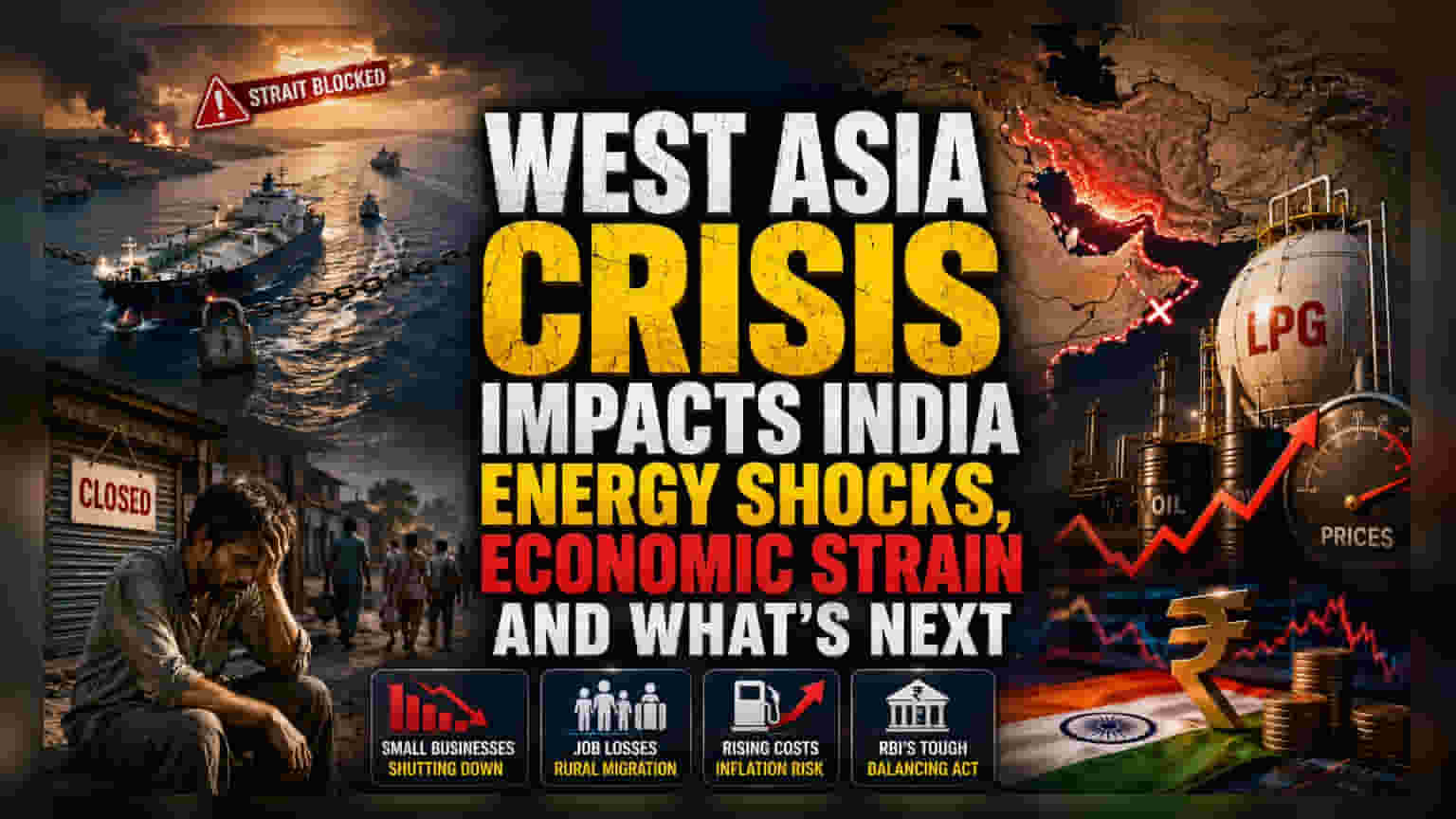


The Economic Strain of Geopolitical Contagion
The persistence of the West Asia crisis has transformed from a regional geopolitical flashpoint into a severe macroeconomic stress test for India. With the Strait of Hormuz effectively locked down, India—a nation historically reliant on this single maritime chokepoint for nearly 90% of its LPG imports and a significant portion of its crude oil—is confronting a physical contraction in energy availability. This supply-side disruption has bypassed traditional price signals, forcing the government to prioritize essential sectors while the unorganised sector, which operates with thin capital buffers, faces immediate operational paralysis.
The Silent Erosion of the Unorganised Sector
While industrial output across the broader economy is moderating, the impact is most acute among small producers. Unlike large corporations that can hedge energy costs or absorb margin compression, small-scale enterprises are witnessing the rapid depletion of working capital as energy inputs—ranging from industrial fuel to logistics costs—climb uncontrollably. Current evidence suggests that many small firms have already ceased operations, leading to a migration of labor back toward rural areas. This phenomenon mirrors the structural displacement seen during the pandemic, but with a more localized, energy-driven intensity that is not fully captured by traditional headline inflation metrics.
The Forensic Bear Case: Structural Weaknesses
India’s energy system is currently suffering from three distinct, structural vulnerabilities: high import dependency, insufficient strategic reserves, and a narrow energy-mix. While the government has aggressively diversified its crude suppliers—notably increasing reliance on Russian shipments—the natural gas and LPG segments remain highly exposed. Reserves for these fuels currently stand at only a few days of consumption, leaving almost no margin for further disruption. Furthermore, because LNG markets lack the fungibility of oil markets, finding alternative suppliers involves significantly longer voyage durations and higher freight costs, which will likely weigh on the fiscal deficit for the remainder of the year. The risk of sustained margin compression remains elevated, as the government’s "implicit subsidy" shield—by capping retail price hikes—places a heavy burden on public finances and energy marketing companies.
The Future Outlook
Policy responses have shifted toward building medium-term resilience, including the recently activated trade pact with Oman, designed to provide an energy gateway outside the Strait of Hormuz. Despite these efforts, forecasters anticipate a period of stagflationary pressure. With headline inflation risks tilted to the upside due to imported costs, the Reserve Bank of India faces a difficult path. Policymakers are expected to maintain a data-dependent, cautious stance, balancing the need to support a cooling economy against the risks of unanchored inflationary expectations if the geopolitical crisis extends into the second half of 2026.