 Whalesbook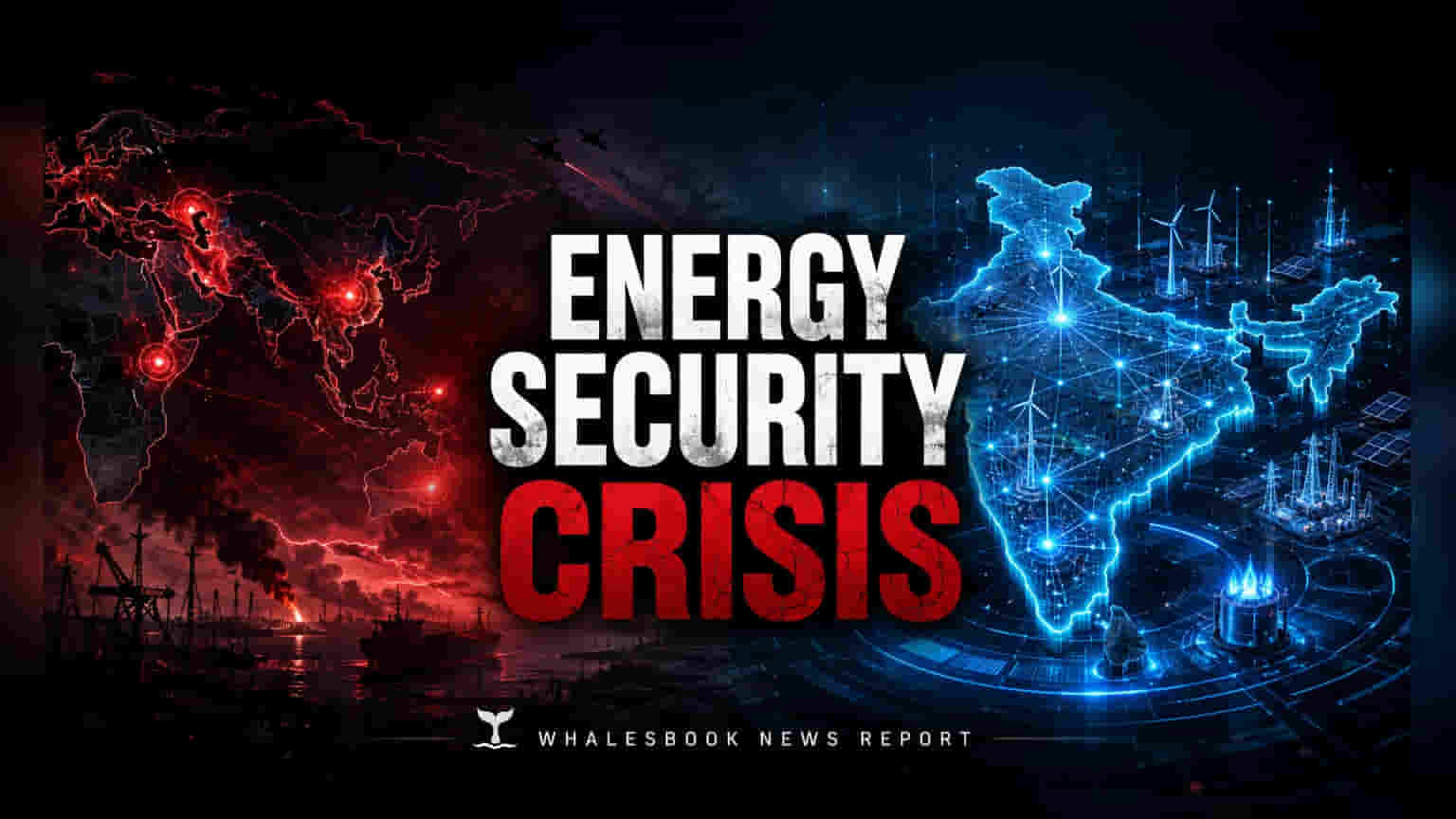


The Shift to Structural Resilience
The reliance on external crude oil, which has historically hovered between 85% and 90%, has forced a fundamental recalculation of corporate and national energy strategy. As chokepoints like the Strait of Hormuz become flashpoints for global conflict, Indian energy producers are moving beyond simple profit-seeking to prioritize operational continuity. This transition is being codified through strategic alliances, such as the landmark resource-sharing pact between Reliance Industries and Oil and Natural Gas Corporation (ONGC), which allows for the joint utilization of deepwater rigs and offshore infrastructure in the Krishna Godavari basin. This collaborative model, facilitated by updated regulatory frameworks, marks a departure from traditional competitive isolation toward a shared-infrastructure paradigm designed to withstand prolonged systemic shocks.
Return on Viability (ROV) vs. ROI
Corporate India is increasingly de-emphasizing the traditional Return on Investment (ROI) metric in favor of Return on Viability (ROV). While ROI assesses transactional profitability, ROV evaluates an asset's ability to maintain output under stress. This shift is not merely cosmetic; it is a defensive necessity. With global energy trade routes compromised, the ability to maintain domestic production—even at higher operational costs—is being valued over the potential margins of lower-cost, yet highly vulnerable, imported feedstock. Companies are investing in predictive analytics and real-time monitoring not for incremental efficiency gains, but to reduce disruption-related downtime, which remains the primary threat to bottom-line stability.
The Forensic Risk Perspective
Despite these efforts, the energy sector faces significant structural headwinds. The reliance on foreign fossil fuels continues to act as a drag on the Indian rupee and widens the current account deficit, creating a feedback loop where energy costs exacerbate currency depreciation. Furthermore, the shift to renewables and green hydrogen, while strategically sound, remains limited by a lack of grid-scale battery storage and the intermittent nature of wind and solar. There is a tangible risk that as companies pivot toward 'viability,' they may be forced to lock in expensive, carbon-intensive infrastructure to guarantee baseload power, potentially creating a long-term liability. Additionally, the industrial sector remains highly sensitive; gas shortages have already forced production halts in manufacturing hubs, highlighting that no amount of corporate agility can fully insulate domestic players from global supply chain failures.
The Future Outlook
As the Reserve Bank of India (RBI) highlights the resilience of the domestic economy, the mandate for energy firms is clear: minimize import dependency or face permanent margin compression. Moving forward, observers expect further consolidation and co-investment in deepwater exploration and infrastructure. The success of India’s energy transition will depend less on initial financial projections and more on the government’s ability to foster a regulatory environment that rewards long-term resource sharing and domestic capacity building over short-term market fluctuations.