 Whalesbook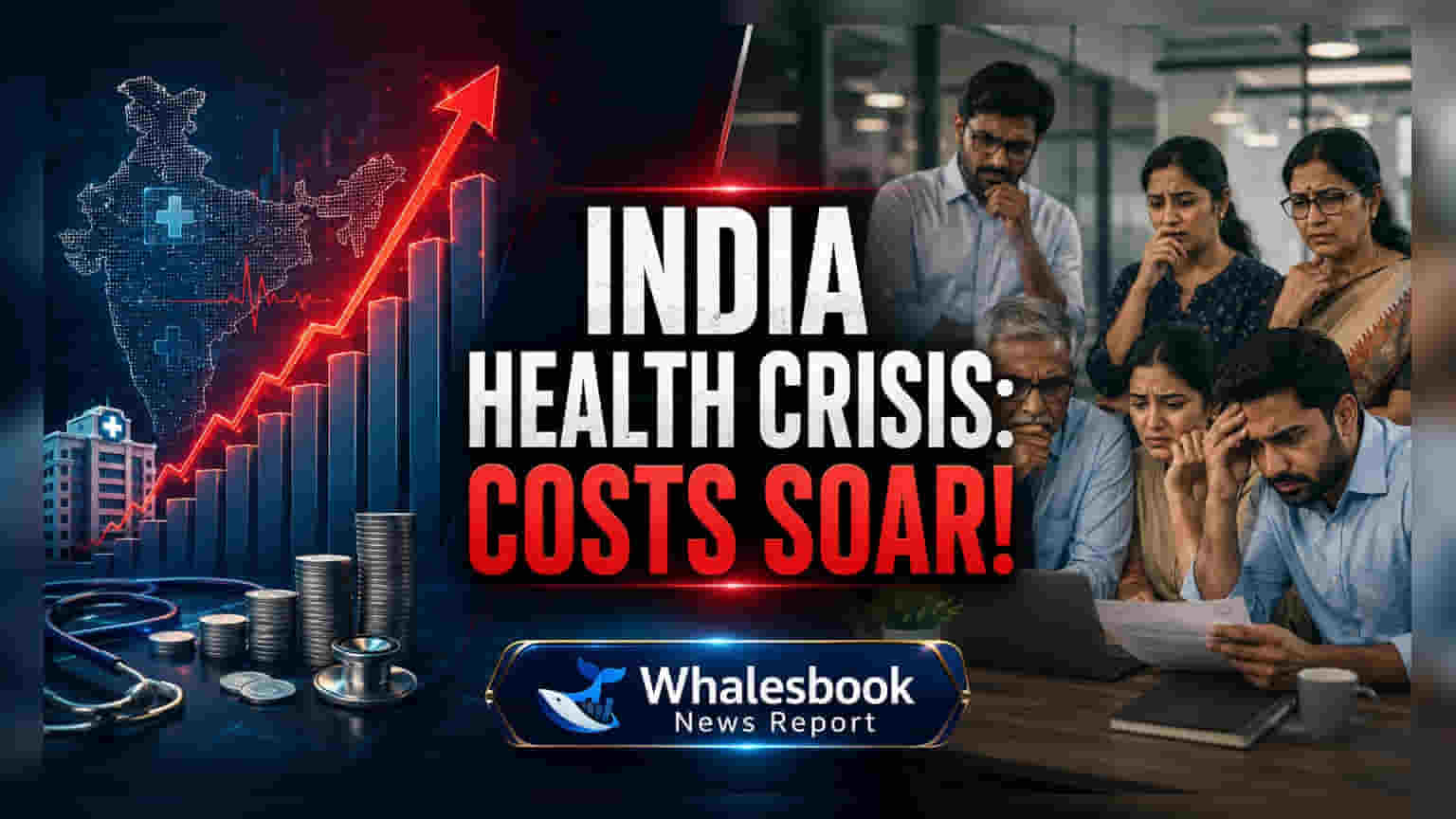


Employee Medical Costs Soar in India
Employee medical expenses in India are expected to jump 11.5% in 2026. This is higher than the global average increase of 9.8% and significantly outpaces projected salary raises of around 9%. This cost increase puts pressure on both company budgets and what employees can afford. India's workforce is also more diverse in age than ever, with different generations having distinct priorities. Gen Z seeks purpose, while Baby Boomers continue working longer careers. Traditional, uniform benefit plans struggle to meet these varied needs.
One-Size-Fits-All Benefits Fall Short
Many Indian companies use a single approach for employee benefits, offering the same health plans and wellness programs to everyone. This used to be simple but now risks frustrating employees and leading to benefits being ignored. As healthcare costs rise, simply renewing old plans isn't sustainable or suitable for the different life stages and health needs of today's workforce. Young professionals might want mental health support and virtual doctor visits, while mid-career employees manage family health costs, and older workers focus on long-term conditions. Uniform plans don't cater to these specific requirements.
Personalized and Affordable Benefits Needed
Personalized benefits must also be affordable. For employees earning less, even small costs for extra benefits can be too much, creating gaps in protection. If benefit plans don't consider income levels and offer different subsidy options, personalization could only benefit higher earners. It's crucial to ensure everyone can access necessary healthcare and wellness support. Offering tailored benefits for specific groups, like reproductive health for women or inclusive care for transgender and non-binary employees, is key for overall well-being.
Customizing Benefits with Data
Companies should adopt flexible benefit structures that let employees choose their plans within a set budget. This means offering choices across health, wellness, and financial protection. Key strategies should focus on preventive care, mental health, and managing chronic illnesses, using health assessments and structured programs. Analyzing claims data, how benefits are used, and employee feedback is vital for spotting health trends and planning interventions. Clear communication and tools to help employees make choices are essential for them to pick benefits that truly help their well-being, leading to a healthier and more engaged workforce. Shifting from broad coverage to personalized, complete care will help manage costs and achieve lasting results for Indian employers. Data from Aon shows that personalized health solutions are vital for controlling rising costs and meeting the diverse needs of employees. These tailored plans also align with global trends where insurance cost increases are higher than wage growth.