

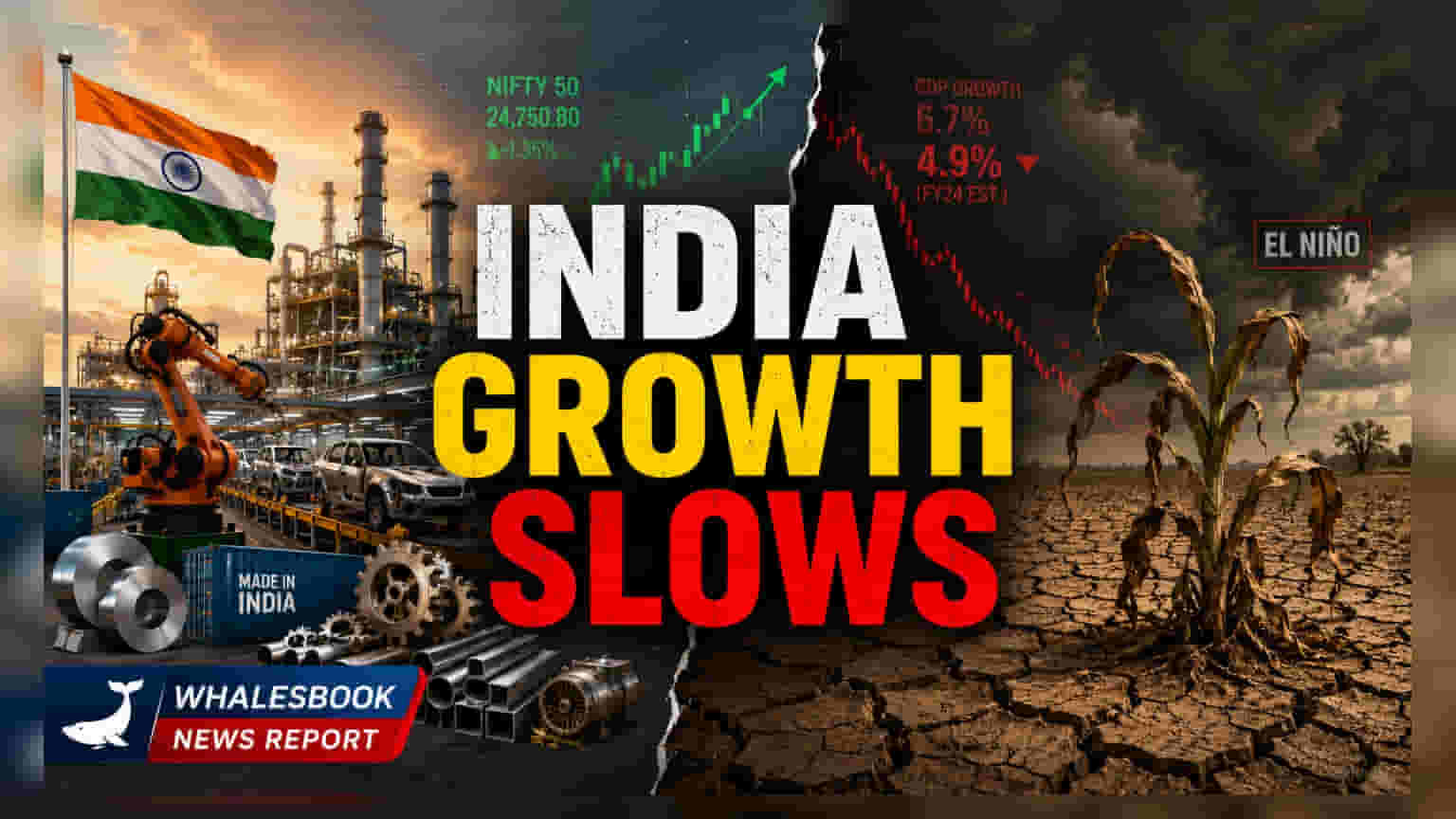
India’s economic growth moderated during April and May 2026, driven by a resilient manufacturing sector despite rising energy costs. However, the agriculture sector faces significant pressure from El Niño, leading to a decline in rural demand indicators like two-wheeler sales. The outlook now hinges on the services sector and softening global crude oil prices.
India’s economic momentum showed signs of cooling during April and May 2026, according to recent analysis from HSBC Global Investment Research. While the manufacturing sector has displayed resilience, the agriculture sector is navigating a difficult period due to adverse weather patterns, creating uneven growth across the economy.
Manufacturing Resilience Amid Higher Costs
Manufacturing, which accounts for approximately 20% of India's GDP, remained a steady contributor during the first two months of the current fiscal year. Despite rising energy costs between March and May, many companies managed to maintain production levels by building up inventories to hedge against global price uncertainty. Furthermore, a temporary window of lower U.S. tariffs allowed domestic exporters to boost non-oil shipments, providing a short-term cushion for factory output.
Agriculture and Rural Demand Challenges
The agriculture sector, which also contributes about 20% to the GDP, is experiencing significant strain due to a high probability of a strong El Niño. Data shows that monsoon-related sowing activities have been sluggish, with only 17% of the normal cropped area covered so far, compared to 24% during the same period last year. Low reservoir levels and a rainfall deficit of roughly 30% have particularly affected pulses and oilseeds, commodities for which India remains a major importer.
These agricultural difficulties are increasingly impacting rural demand. Indicators of consumer health, including two-wheeler sales and growth in rural bank deposits, have shown signs of slowing. Additionally, the report noted that youth unemployment has risen more sharply in rural regions than in urban centers, potentially limiting consumption in these areas.
Services Sector Potential
With manufacturing facing potential headwinds and agriculture dealing with climatic risks, the services sector—which represents roughly 55% of India's GDP—is expected to be the primary driver of growth for the remainder of 2026. Two specific factors are anticipated to support this sector. First, a projected decline in global crude oil prices toward pre-conflict levels could lower operating costs for the trade and transport industries. Second, easier financial conditions, aided by a government foreign exchange package, are expected to benefit the financial services sector. Borrowing costs have already shown a downward trend, which may improve liquidity and support economic activity in the coming months. Investors will be closely watching whether the services sector's performance can effectively offset the drag from the agricultural economy and sustain broader GDP growth as the year progresses.