 Whalesbook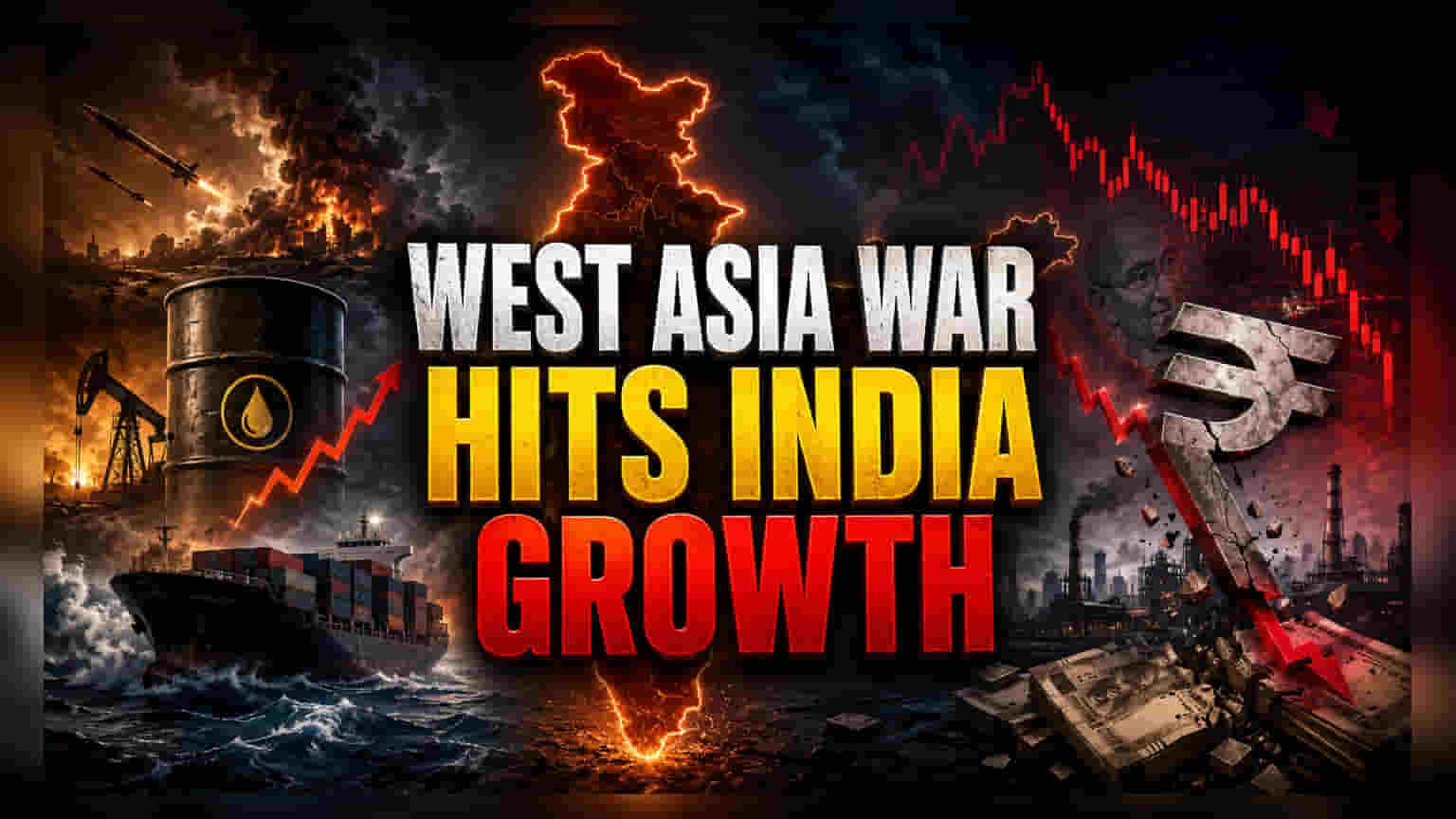


The Geopolitical Multiplier on Growth
The Indian economy, which closed FY26 with a resilient 7.7% growth rate, now confronts a starkly different trajectory. The Reserve Bank of India has recalibrated its FY27 GDP growth projection downward to 6.6%, a move necessitated by the intensifying conflict in West Asia. This geopolitical instability has evolved from a regional concern into a systemic economic headwind, characterized by rising freight costs and energy price spikes. As Brent crude surges toward $96 per barrel, the inflationary impact threatens to curtail household consumption, a critical engine of India's recent growth success.
The External Account Vulnerability
While services exports and remittances have provided a critical buffer, the merchandise trade deficit continues to exert pressure on the balance of payments. Data reveals a full-year current account deficit of $25.2 billion for FY26, highlighting the structural reliance on imported energy and gold. Recent foreign portfolio investor (FPI) outflows, combined with targeted dollar sales by the central bank to stabilize the rupee, have caused foreign exchange reserves to dip toward $681 billion. Although this remains sufficient for 11 months of import cover, the pace of depletion has increased, forcing policymakers to reconsider the sustainability of current trade and consumption patterns.
The Structural Bear Case
The risk profile for the upcoming quarters is skewed toward the downside. Unlike the post-pandemic recovery phase, current policy options are constrained by the dual threat of sticky inflation—projected at 5.1% for FY27—and the need to maintain a neutral monetary stance. Heavy dependence on the Strait of Hormuz for crude oil and LNG imports creates a permanent vulnerability to regional military escalation. Furthermore, the manufacturing sector, which recently recorded a 45-month low in PMI, remains highly sensitive to input cost volatility. Should the conflict drag into the second half of the year, the combination of higher logistics costs and potential raw material shortages could create a stagflationary environment, complicating the government’s efforts to maintain fiscal discipline.
Navigating the Horizon
Market sentiment remains cautious as the June 12 inflation data approaches. While the government has prioritized a measured response, favoring structural initiatives like the IndiaAI Mission and digital financial infrastructure over broad-based fiscal stimulus, the immediate outlook depends on the de-escalation of regional hostilities. Analysts are closely watching the divergence between domestic demand and external sector pressure, with the RBI’s dividend transfer expected to provide only temporary liquidity relief. The path forward necessitates rapid diversification of energy procurement and continued support for export-oriented services to offset the inevitable trade drag caused by the current energy-price environment.