 Whalesbook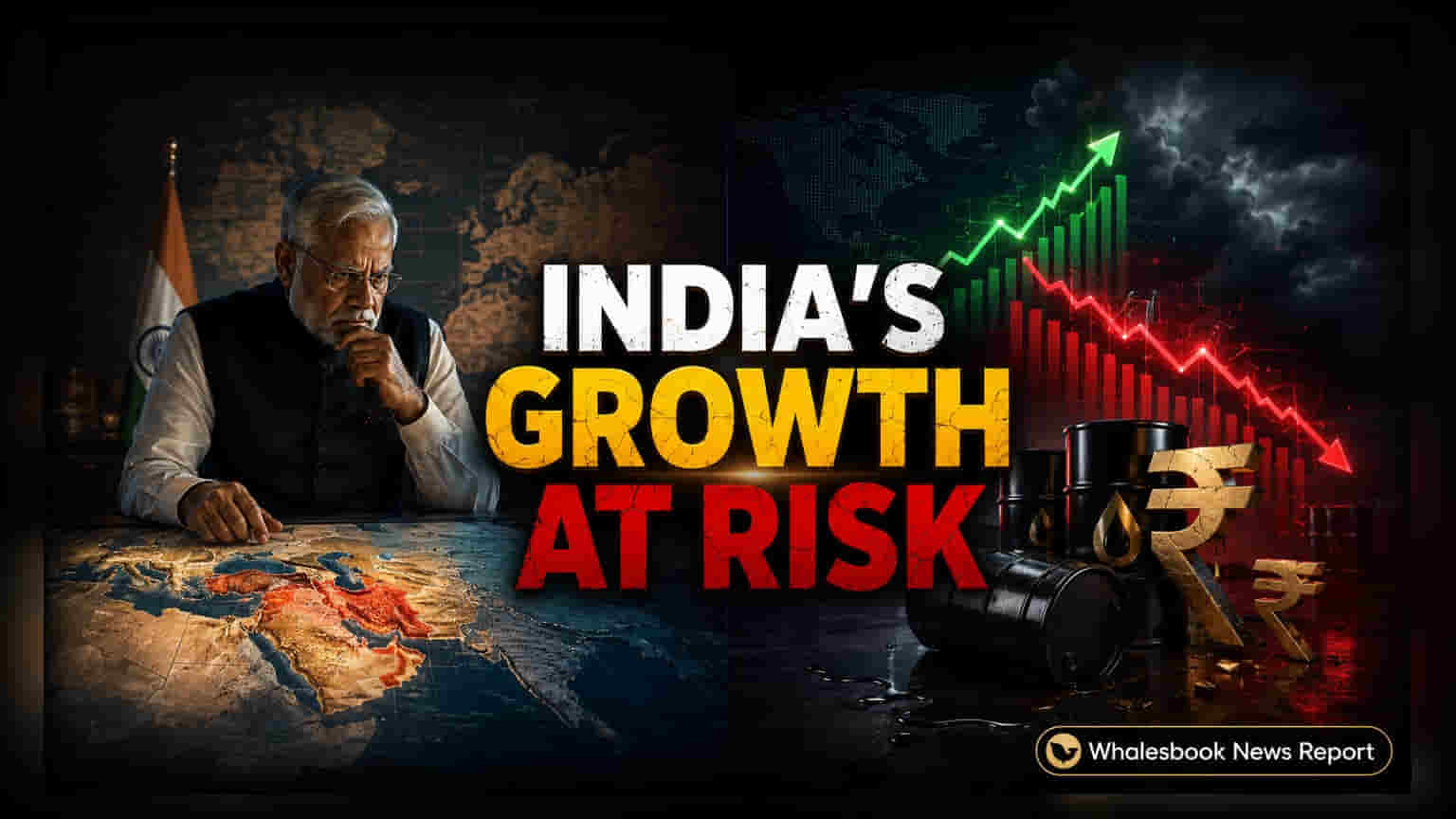


The Macroeconomic Pressure Point
While India continues to outpace most major economies in domestic demand, the reliance on imported energy creates a structural vulnerability that periodically threatens the country’s fiscal narrative. The recent intensification of conflict in West Asia has intensified inflationary pressures, forcing a re-evaluation of current account management. The primary concern is not the long-term growth story but the immediate volatility in the import bill for petroleum and fertilizer, which complicates the government's ability to maintain a strictly controlled fiscal deficit through FY27.
The Strategic Reserves Disparity
Analytical comparisons between India and its regional counterparts reveal a distinct gap in commodity resilience. China and Japan have historically prioritized significantly larger strategic petroleum reserves, creating a buffer that allows them to absorb price spikes without immediate pass-through effects to the consumer. India’s current reserve levels, while improved, remain insufficient to insulate the economy from sustained geopolitical premiums on crude oil. This structural deficit forces the central bank to intervene more frequently to manage the rupee’s depreciation, consuming precious foreign exchange reserves that could otherwise be deployed toward capital expenditure.
The Forensic Bear Case: Structural Risks
From an institutional risk perspective, the reliance on external energy sources creates a recurring 'stop-start' dynamic in the nation's industrial output. If subsidies for food and fuel balloon further to combat rising costs, the government risks missing its fiscal consolidation path. Furthermore, the persistent dependence on specific maritime corridors introduces supply-chain risk that is difficult to hedge. Even with the proposed development of the India-Middle East-Europe Economic Corridor, the timeline for operational viability remains long, leaving the economy exposed to near-term maritime and regional disruptions that the market currently struggles to price accurately.
Future Outlook and Policy Trajectory
Forward-looking assessments suggest a shift in policy toward aggressive energy diversification. The emphasis is moving from mere procurement to active extraction and the accelerated adoption of non-oil energy infrastructure. Sustaining the current growth momentum will likely require balancing these long-term security investments against the immediate need for fiscal restraint. Analysts remain watchful of how the central bank navigates the $697 billion reserve threshold, as any significant drawdown could trigger broader market concerns regarding the currency's stability against a strengthening basket of international assets.