

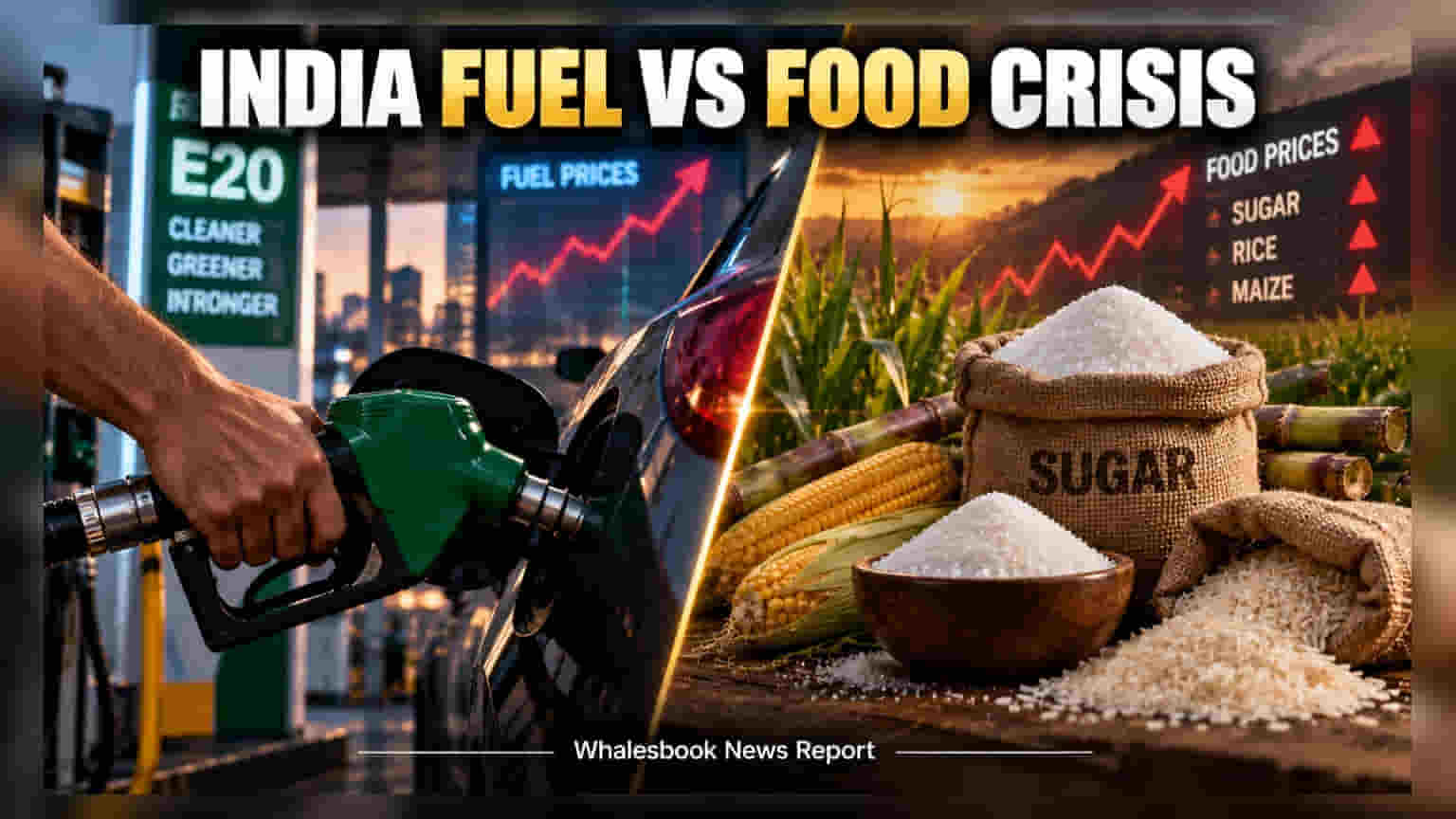
India has achieved its 20% ethanol blending mandate for petrol ahead of the 2030 deadline. While this marks a significant energy milestone, the rapid growth in ethanol demand has sparked debates about food security and inflation. Investors are now watching how the shift toward maize feedstocks addresses the supply-demand mismatch in essential commodities.
India has successfully met its target of blending 20% ethanol with petrol ahead of the original 2030 deadline. This rapid acceleration in the ethanol program is intended to reduce the country's dependence on imported fuel and support agricultural income. However, the speed of this transition has outpaced the growth of the agricultural feedstocks required to produce the fuel, leading to a new set of challenges regarding supply chain stability and food price inflation.
Rapid Demand Growth vs. Feedstock Yields
The data shows a significant disconnect between energy demand and agricultural output. Ethanol supply to oil marketing companies grew at a 38% annual rate between 2019-20 and 2025-26. In contrast, the production of traditional feedstocks has grown at a much slower pace, with sugarcane output rising by 5.1% and rice production by 4.4% over the same period. This structural gap implies that as ethanol demand scales, it puts increasing pressure on the availability of these crops for both food and fuel purposes.
The Debate Over Food Inflation
The rise in retail sugar prices has intensified the public debate over whether ethanol production is causing food inflation. While critics argue that the diversion of sugarcane juice and syrup toward ethanol production reduces sugar supply and pushes up prices, the government has contested this link. Official statements have attributed recent price spikes to seasonal demand, crop damage caused by diseases like Red Rot, and local waterlogging issues rather than the ethanol blending policy itself. Despite this, the sensitivity of essential commodity prices remains a key factor that impacts consumer spending and regulatory scrutiny of the sector.
The Pivot Toward Maize
To balance the need for energy and food security, India has initiated a strategic shift in its feedstock mix. There is a concerted effort to reduce reliance on sugar and rice and expand the use of maize for ethanol production. This policy change is visible in the agricultural data, with maize land acreage increasing from 10.74 million hectares in 2022-23 to 14.44 million hectares by 2025-26. This transition is aimed at softening the competitive pressure between the fuel and food sectors.
Investors and market observers are now monitoring several factors that could influence the long-term viability of this strategy. Key monitorables include the success of maize crop yields, the stability of global food prices, and any further government interventions in feedstock pricing. While the E20 mandate is now a reality, the sustainability of the program will depend on the ability of the agricultural sector to consistently meet the growing feedstock requirements without triggering supply shortages or excessive price volatility in the broader food economy.