

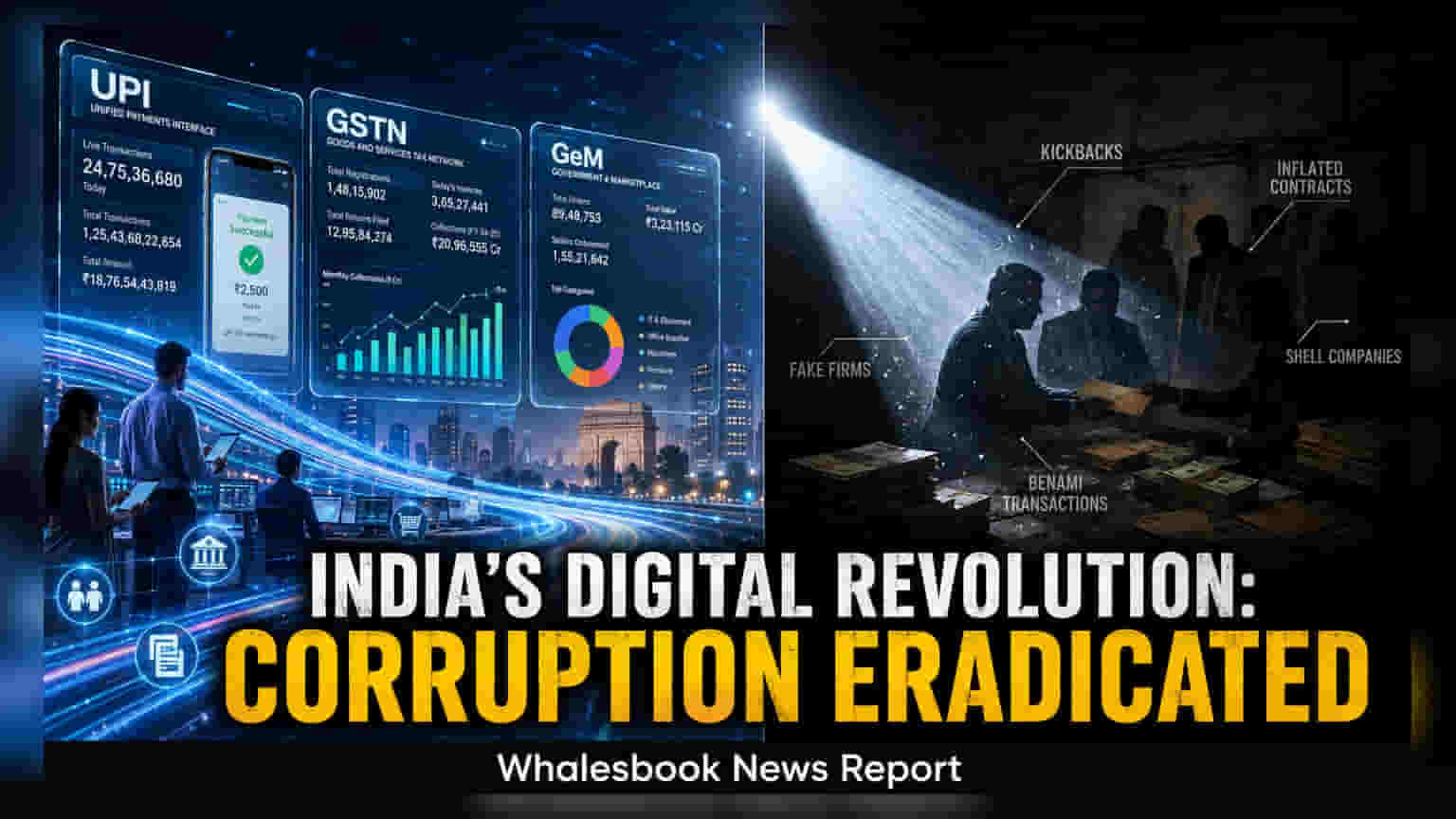
India’s transition toward digitized governance through UPI, GSTN, and the GeM portal is formalizing the economy and driving operational efficiency. For investors, this shift impacts sectors from banking and fintech to logistics and IT. While transparency improves business predictability, stakeholders must monitor evolving risks related to cybersecurity and data privacy compliance.
The rapid expansion of India's Digital Public Infrastructure is creating a new foundation for the economy. While this is a policy-driven transformation rather than a corporate event, its implications are significant for the broader stock market. By integrating systems like the Unified Payments Interface (UPI), the Goods and Services Tax Network (GSTN), and the Government e-Marketplace (GeM), the government is effectively reducing friction in the business environment, which historically benefits organized, listed companies.
Impact on Business Efficiency
The formalization of the economy is the most visible benefit for corporate India. The JAM trinity (Jan Dhan-Aadhaar-Mobile) and the expansion of UPI have moved massive cash flows from the informal economy into the formal banking system. This provides banks and fintech companies with better data to assess creditworthiness, potentially lowering the cost of borrowing for formal businesses.
Similarly, the GSTN has streamlined compliance and tax reporting. By replacing a fragmented, state-wise tax structure with a centralized digital system, large companies with national supply chains have seen improved operational efficiency. The PM Gati Shakti initiative further supports this by using GIS-based planning to coordinate infrastructure projects, which helps logistics and construction companies plan better and avoid cost overruns caused by poor communication between government departments.
Access and Competition
The Government e-Marketplace (GeM) acts as a standardized procurement platform. By digitizing the government tender process, it reduces the complexity of bidding for contracts. This opens up opportunities for many small and medium-sized vendors to supply to the government, creating a more competitive landscape. For large listed companies, this change means that supplier quality and pricing transparency have become more critical than ever, as the digital trail allows for easier auditing and performance tracking.
Risks and Investor Monitorables
While the digital leap offers clear advantages in terms of transparency and efficiency, it also introduces specific risks that investors should track. The most significant is the concentration of data. As the economy digitizes, companies and the government collect vast amounts of sensitive information. This makes cybersecurity a top-tier operational risk. Any system failure or data breach could lead to significant financial and reputational damage for businesses operating in this space.
Additionally, the regulatory landscape is shifting. The Digital Personal Data Protection (DPDP) framework is designed to govern how data is handled. Companies that fail to comply with these emerging data protection standards may face penalties or increased operational costs. Investors should watch how major listed players—particularly in the IT, banking, and telecom sectors—adapt their infrastructure to meet these stringent privacy requirements. The long-term success of this digital governance shift will depend on whether companies can maintain robust security while managing the cost of digital compliance.