
Credit Upgrade Cycle Slowing
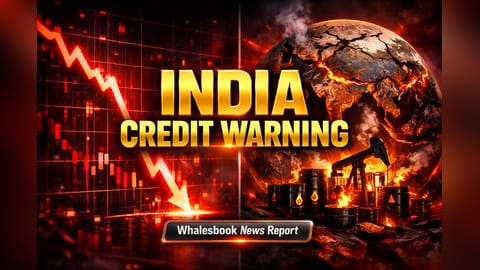
India's strong trend of corporate credit upgrades may be slowing, according to rating agencies. While overall upgrade numbers are still high, ICRA, Crisil Ratings, CareEdge Ratings, and India Ratings point to a more cautious outlook. This shift is driven by external pressures, including the conflict in West Asia and its impact on global energy prices, as well as trade risks for exporters. The focus is now on how different parts of the corporate sector will be affected, rather than a broad economic upswing. The Nifty 50 index is trading at a price-to-earnings ratio of about 19.6, a valuation that warrants attention given the changing risks.
Geopolitical Risks and Energy Prices Drive Slowdown
The main reason for this shift is the conflict in West Asia. India Ratings and Research notes that high oil prices can worsen India's current account deficit, weaken the rupee, and increase inflation. Many Indian companies started fiscal year 2026 with strong finances, including low debt and good interest coverage. However, extended disruptions could reduce their earnings and cash reserves. Energy-heavy sectors like ceramics, logistics, and specialty chemicals are most vulnerable, struggling to pass on higher costs for inputs and transport.
Uneven Impact Across Sectors
These economic challenges are affecting companies differently. Higher-rated firms with strong balance sheets and market positions are better prepared for short-term disruptions, according to India Ratings and Research. Mid-tier companies with more debt or heavy reliance on imported energy face higher risks. Crisil Ratings found that while most sectors would see limited impact from a four-to-five-month conflict, airlines, specialty chemicals, packaging, textiles, diamond polishers, and auto components could face moderate pressure. Ceramics are particularly at risk. While oil price swings have historically challenged Indian stocks, the Nifty 50 has often recovered within a year. India's domestic demand and demographics position its emerging market equities favorably for growth in 2026, despite current valuation differences with developed markets.
Broader Economic Risks and Policy Balancing Act
A key risk is a prolonged geopolitical conflict, which could lead to wider credit problems. Moody's has warned that higher Brent crude prices would hurt India's import-reliant economy and widen its current account deficit. Despite recent trade deals boosting India's credit profile for some exporters, the reliance on imported energy remains a major weakness. The Reserve Bank of India must balance fighting inflation from high energy costs with supporting economic growth, which could lead to tighter financial conditions. Companies in sectors like ceramics, glass, logistics, and transport face shrinking profit margins and supply chain issues. Credit trends in emerging markets suggest a downturn might be coming, and the Middle East conflict could speed it up.
Outlook Cautiously Optimistic
Despite these challenges, rating agencies remain cautiously optimistic about India's corporate credit quality for fiscal year 2027. ICRA forecasts GDP growth to slow to 6.5% and retail inflation to rise to 4.3% in FY27, depending on the West Asia crisis duration and assuming an average crude oil price of $85/barrel. Fitch Ratings expects revenue growth of 6% for its rated companies in FY27, boosted by steady GDP growth and consumer spending. However, US tariffs and rupee weakness are concerns. Strong domestic demand, government infrastructure projects, and policy support like GST adjustments are expected to help stabilize the economy. The overall direction will depend on geopolitical tensions easing and managing inflation from imports.