 Whalesbook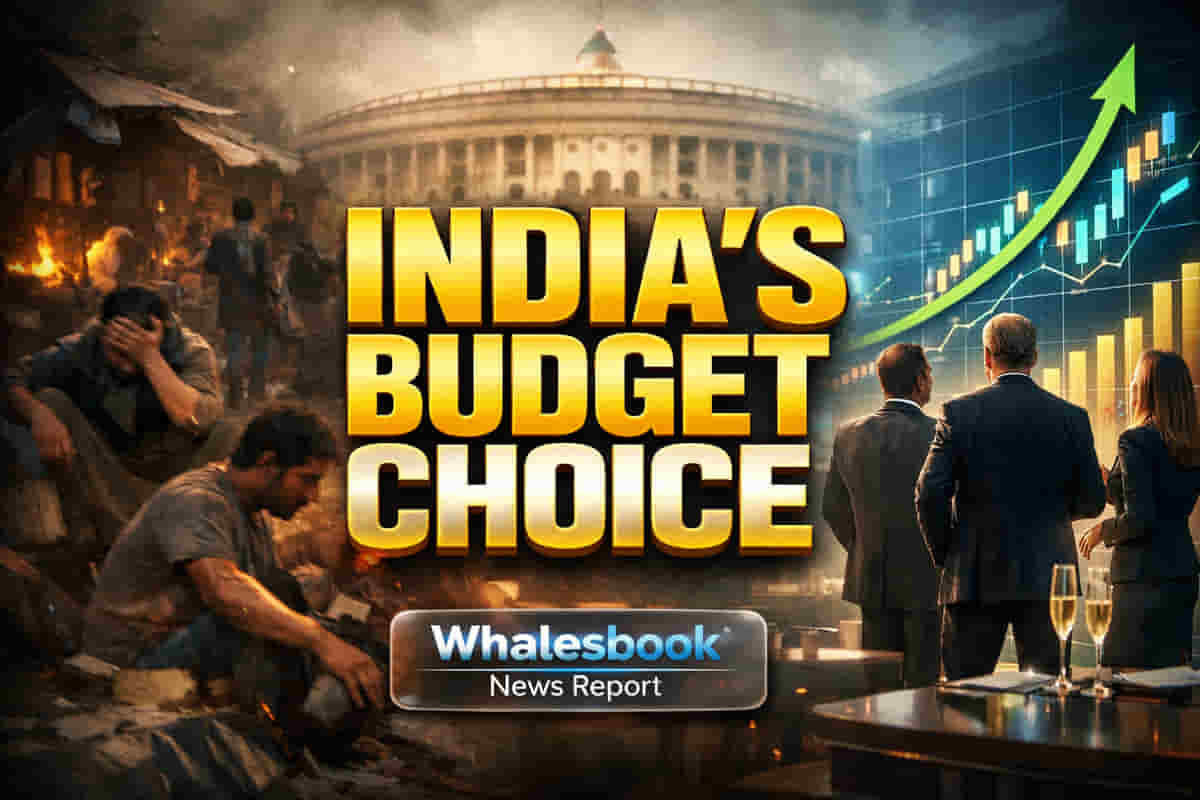
1. The Growth-Impunity Disconnect
India's economic trajectory continues to present a duality. Official projections anticipate real GDP growth for FY26 at 7.4%, potentially reaching 6.8-7.2% in FY27, positioning the nation as an 'oasis of stability' amid global headwinds. Inflation has moderated to historic lows, averaging 1.7% in April-December 2025, while foreign exchange reserves stand strong at $701.4 billion. Foreign direct investment also shows resilience, with inflows rising 18% year-on-year in FY26. Yet, this headline performance is sharply contrasted by on-the-ground realities. While over 90% of the workforce operates in the informal sector, often with precarious conditions and lacking social security, youth unemployment remains a significant concern, officially at 10.2% in 2023-24. This gap between macroeconomic indicators and lived experiences fuels questions about the inclusivity of India's development model. The nation's demographic dividend risks becoming a liability if dignified work remains elusive for millions.
The Inequality Conundrum
The discourse around inequality in India presents conflicting narratives. While some reports suggest a declining Gini coefficient to 25.5 in 2022, positioning India as a relatively equal society, other analyses paint a starkly different picture. Wealth concentration at the top is severe, with the richest 1% having increased their wealth share by 62% between 2000 and 2023. The top 10% of the population holds a disproportionate share of national wealth, estimated at 77%, with the richest 1% owning approximately 40.4% of the nation's total wealth. This extreme disparity is not merely a matter of income but extends to access to essential services like healthcare, with annual costs pushing millions into poverty. Such widening gaps are not isolated incidents but have been linked to a weakening of social cohesion and increased political polarization.
Policy Pathways and Structural Gaps
The budget's effectiveness hinges on addressing these structural challenges. Micro, Small, and Medium Enterprises (MSMEs), which form the backbone of employment and exports, remain vulnerable. While recent budgets have introduced measures like increased credit guarantee cover, MSMEs continue to grapple with access to affordable credit and complex compliance burdens, which disproportionately impact their ability to scale. Public investment in infrastructure and social sectors is critical. Government capital expenditure has seen a significant rise, with substantial outlays planned for roads, railways, and digital connectivity. However, underinvestment in education and healthcare persists, pushing citizens towards costly private alternatives and exacerbating inequality. The principle of progressive taxation, designed to ensure those who benefit most contribute more, faces implementation challenges. Despite a growing direct tax revenue base, widespread informality and tax evasion limit its redistributive impact.
Outlook: A Path of Inclusion?
India's economic outlook remains robust, supported by strong domestic demand, services-led exports, and significant public capital expenditure. Foreign investors maintain a positive medium-term view, attracted by economic fundamentals and policy efforts to improve the ease of doing business. However, the sustainability of this growth is contingent on addressing the pervasive inequality and job creation deficits. The recent Economic Survey highlights potential growth near 7% but acknowledges that headline GDP figures are insufficient. True development, by constitutional mandate, requires a broader measure of progress encompassing human capabilities, dignity, and equitable distribution of prosperity. The challenge for policymakers is to translate macroeconomic success into tangible benefits for the majority, thereby strengthening social cohesion and democratic legitimacy. Failure to do so risks entrenching disparities and undermining the very foundations of the republic.