 Whalesbook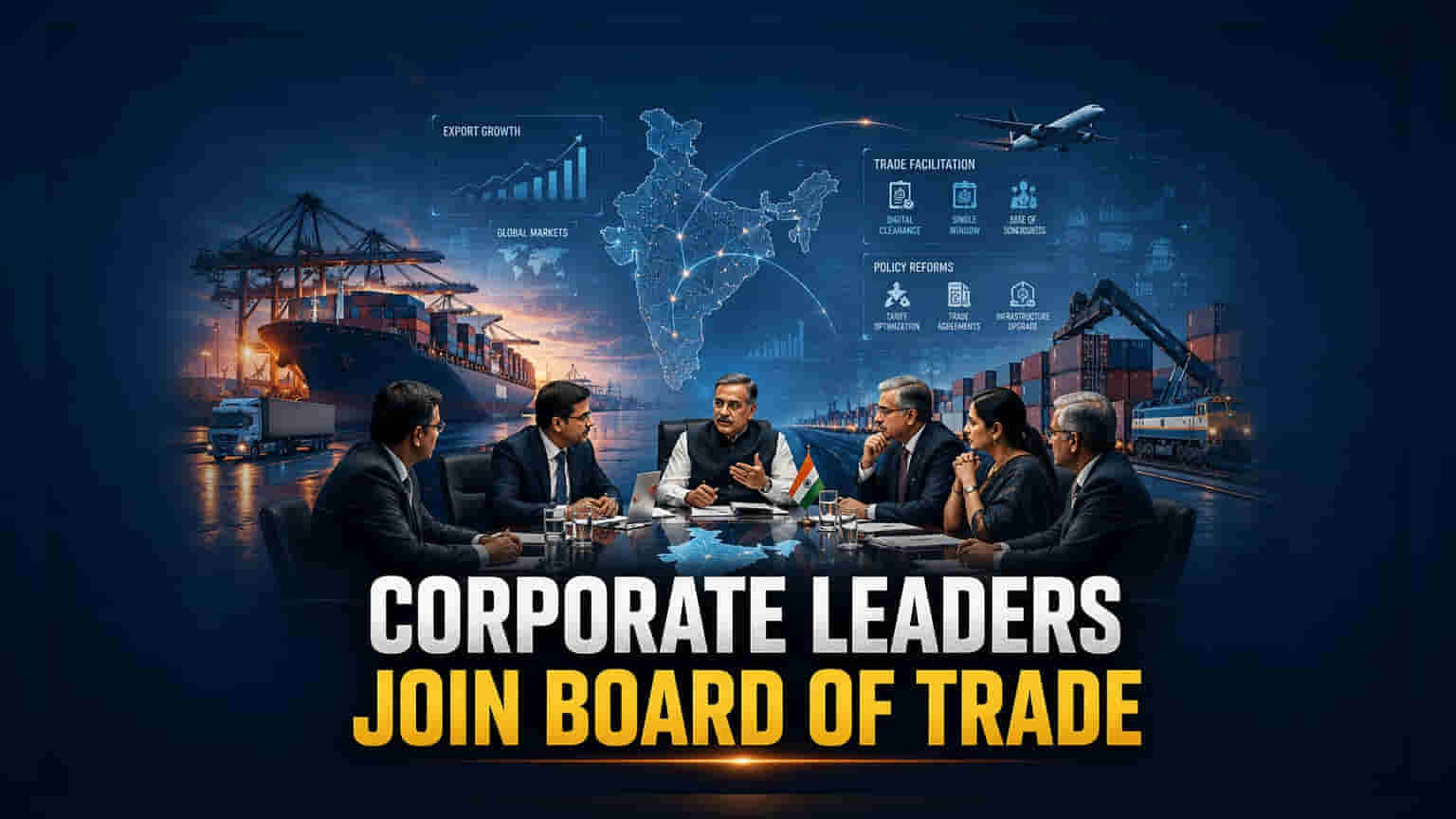


The Shift Toward Corporate Integration
The integration of private sector heavyweights into the Board of Trade represents a deliberate attempt by the Ministry of Commerce to bridge the widening gap between high-level policy formulation and ground-level execution. By embedding figures like Anish Shah of Mahindra & Mahindra and Shailesh Chandra of Tata Motors alongside banking leaders such as SBI’s CS Setty, the government is signaling a departure from bureaucratic isolation. The primary mandate involves accelerating the District Export Hub initiative, a framework designed to identify localized comparative advantages and translate them into scalable international export products. This structural inclusion aims to provide the Ministry with real-time feedback on logistical bottlenecks and regulatory friction that often hamper trade competitiveness.
Benchmarking Against Global Trade Frameworks
Unlike previous iterations of the board, which were often criticized for being reactive, the inclusion of tech-forward leaders from Zoho and Accel suggests a focus on digitizing trade infrastructure. Comparative analysis of similar trade advisory structures in emerging markets suggests that effectiveness hinges entirely on whether these recommendations are legally actionable or merely advisory. In economies where manufacturing has successfully scaled, such as Vietnam or South Korea, the efficacy of private-sector input is typically measured by its ability to influence tangible changes in tariff structures and customs efficiency. For this reconstituted board, the challenge lies in moving beyond the existing policy framework and addressing deep-seated logistical costs that remain significantly higher than global benchmarks.
The Forensic Bear Case: Structural Limitations
While the roster of appointees is impressive, the structural history of such advisory panels invites caution. Institutional investors often view these bodies as collaborative platforms that may result in regulatory capture rather than objective reform. There is a palpable risk that these consultative discussions become echoes of established corporate interests, potentially marginalizing smaller MSMEs that lack the lobbying power of multinational firms. Furthermore, past initiatives to promote district-level exports have historically struggled with capital allocation and land acquisition hurdles—issues that a committee, regardless of its members' pedigree, may struggle to resolve without fundamental legislative changes. Critics also note that appointing active CEOs to advise on trade policy creates a circular conflict where industry leaders may prioritize their specific firm's margins over broader, long-term national trade health.
Future Outlook and Policy Implementation
Moving forward, market participants will likely look for the board’s first set of concrete policy recommendations regarding the National Foreign Trade Policy. The real test will be whether this assembly can move the needle on trade facilitation rankings or if it will remain a secondary advisory mechanism. Analysts expect that if these leaders can successfully advocate for streamlined export finance and reduced regulatory red tape, the resulting reduction in cost-of-trade could serve as a material catalyst for the manufacturing sector in the coming fiscal cycle.