 Whalesbook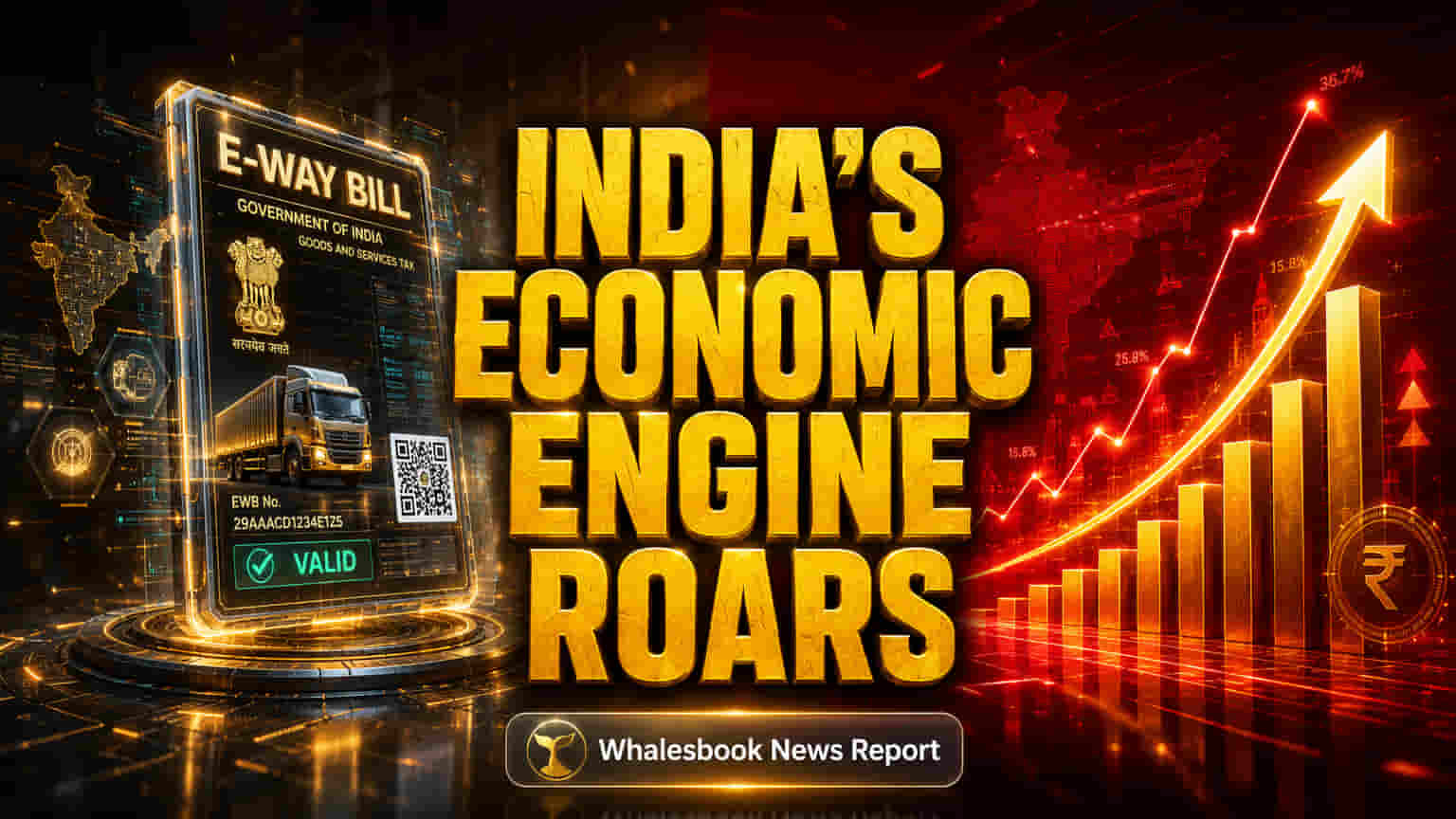


Why April E-way Bills Declined Seasonally
The sequential dip in e-way bill generation from March's all-time high is largely a seasonal trend. Manoj Mishra, Partner and Tax Controversy Management Leader at Grant Thornton Bharat, noted that March often sees heightened business activity due to year-end sales and inventory adjustments. As the new financial year begins in April, a dip in volumes is a normal trend and doesn't signal a slowdown in consumption or trade.
Year-on-Year Growth Signals Economic Strength
Mishra added that the 11.8% year-on-year rise in April reflects healthy goods movement and ongoing formalization of trade and supply chains under the Goods and Services Tax (GST) regime. This consistent annual growth points to economic resilience and strong domestic demand across manufacturing, logistics, and consumption sectors.
What is an E-way Bill?
An e-way bill is an electronic document required for goods movement valued over ₹50,000, showing that applicable taxes have been paid. CGST Rules, 2017, mandate its generation for most goods exceeding this threshold, with lower limits sometimes applying for intra-state transactions. It serves as a key indicator of commercial activity.
GST Revenue Supports Economic Picture
The e-way bill data offers a timely snapshot amid broader strong economic performance. In April, the government also reported record GST revenue collection of ₹2.42 lakh crore. This record collection occurred even as the government pursues GST rate rationalization, further underscoring the strength of economic activity and improving nationwide tax compliance.