

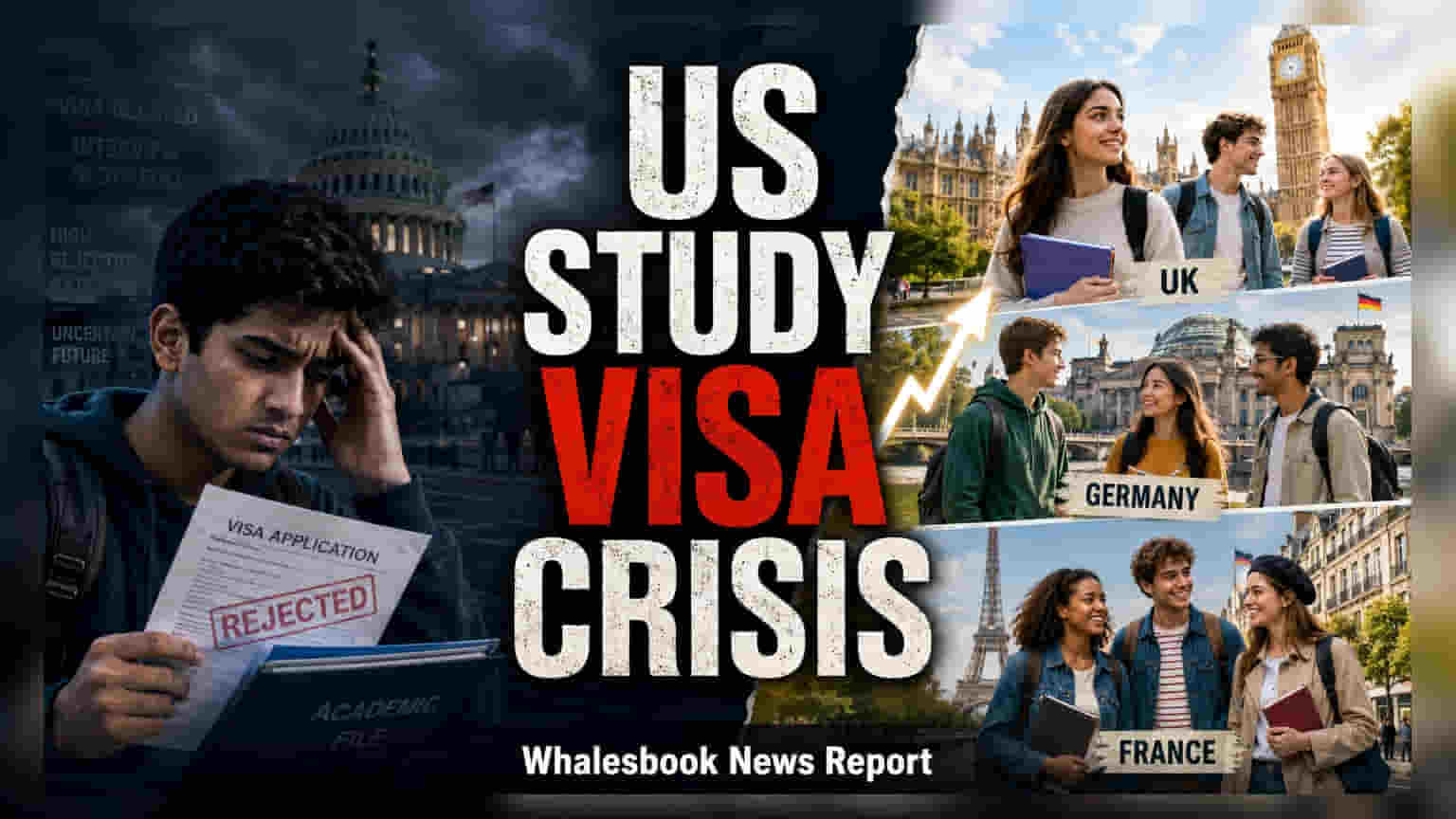
The number of Indian students in the U.S. fell to a 29-month low by July 2026, with a 12% decline over ten months. Stringent visa policies, including a sharp drop in F-1 approvals, have caused this shift. As students reconsider their options due to high costs and uncertain timelines, the trend is creating significant challenges for U.S. universities while benefiting alternative education markets in Europe and the U.K.
The number of Indian students enrolled in U.S. institutions has reached a 29-month low, reflecting a broader change in how international students view American higher education. According to data as of July 2026, there were 3,38,230 Indian students in the United States, marking a steady decline for ten consecutive months. The period from September 2025 to July 2026 saw a 12% reduction in student numbers, a trend that stands in stark contrast to previous years.
Visa Policies and Market Shift
This downturn is primarily driven by persistent visa processing delays and stricter immigration policies. Official data indicates that F-1 student visa approvals for Indian nationals dropped by 62% during the 2025 admission season. These logistical hurdles are compounded by upcoming regulatory changes. A new U.S. immigration rule, set to take effect on September 15, 2026, will introduce fixed time limits on student visas, requiring students to apply for extensions if their academic programs exceed four years. This added complexity is prompting many students to re-evaluate their study-abroad plans.
The decline is most visible among students pursuing Master's degrees, who form the largest group of Indian scholars in the U.S. Enrollment in this cohort fell by 11.3% year-on-year. While the U.S. remains a key destination for STEM-focused research, the shrinking numbers suggest that students are increasingly sensitive to return-on-investment calculations, factoring in tuition costs, visa reliability, and post-study work opportunities.
Economic Impact on Institutions
For U.S. universities, this trend presents a financial risk. Institutions that rely heavily on international student tuition, often deriving more than 10% of their revenue from this source, are facing potential budget shortfalls. Estimates from the Association of International Educators and other industry trackers suggest that the total international student enrollment could drop by approximately 9.5% for the Fall 2026 intake. This decline is projected to result in an estimated $3.4 billion loss in economic activity and thousands of job losses within the U.S. university ecosystem.
As the U.S. becomes less accessible, countries like the United Kingdom, Germany, and France are positioning themselves as more viable alternatives. Students are moving toward a multi-country application strategy to mitigate the risk of rejection or long wait times at any single location. For Indian education consultants and ed-tech companies, this signifies a change in business focus, as they must now adapt their advisory services to help students navigate these diverse global markets rather than relying solely on the U.S. route.
Investors and stakeholders should monitor the upcoming Fall 2026 enrollment data, which will provide a clearer picture of whether these immigration policies will lead to long-term structural changes in the global education sector. The impact of the new September 2026 visa regulations will also be a key factor in determining future student flows and university revenue stability.