

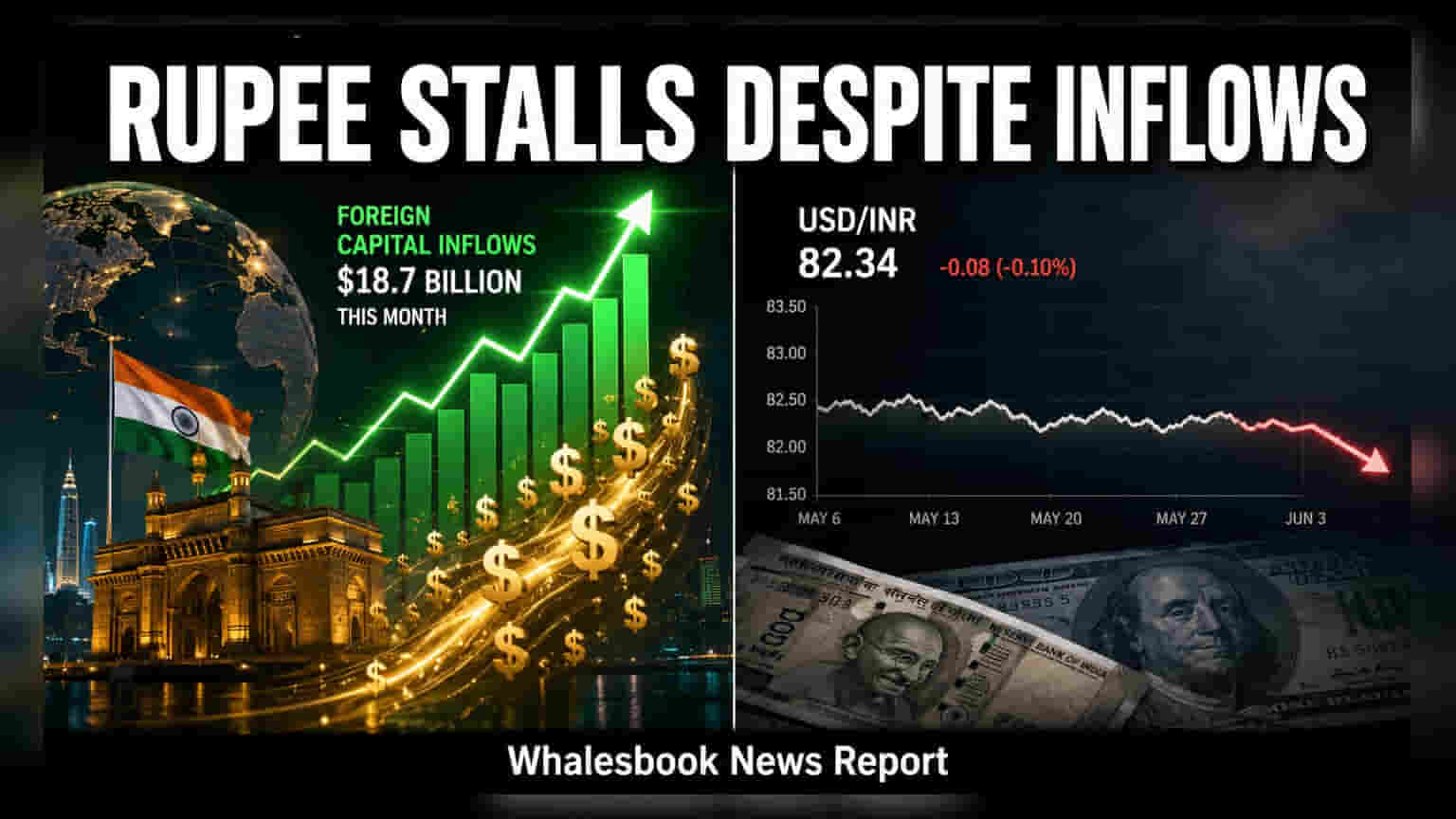
The Indian rupee is expected to trade within a limited range against the US dollar in the coming months, even as foreign investors return to Indian equities. Experts suggest the Reserve Bank of India is prioritizing the buildup of foreign exchange reserves and meeting dollar obligations, which caps the potential for the currency to strengthen.
The Indian rupee is likely to remain in a narrow trading band against the US dollar over the next few months. This trend persists despite a notable shift in market sentiment, with foreign investors turning net buyers of Indian equities in July, breaking a five-month dry spell. While equity markets are showing resilience, the currency is not expected to see significant gains.
Forex strategists point to the Reserve Bank of India's (RBI) current policy as a primary reason for this outlook. Rather than allowing foreign capital inflows to strengthen the rupee, the central bank is actively utilizing these funds to bolster foreign exchange reserves. This strategy helps the RBI meet substantial dollar obligations arising from past market interventions. Recent estimates suggest the RBI’s forward dollar commitments exceed $100 billion, limiting the central bank’s room to allow the currency to appreciate significantly.
According to analyst forecasts, the rupee is expected to hover near current levels, with estimates placing it around 95.25 per dollar in three months and potentially moving to 95.95 in a year. This outlook follows a 6% depreciation of the currency year-to-date, reflecting the pressure the rupee has faced amid global economic shifts.
For investors and businesses, this sideways trend is important to monitor. Companies with high import exposure, such as those in manufacturing, automobiles, and aviation, may continue to face pressure on profit margins if the rupee remains weak. These sectors often pay for raw materials and fuel in dollars, making them sensitive to exchange rate fluctuations. Furthermore, the persistent weakness in the rupee and the potential for volatility mean that companies with significant foreign currency-denominated debt may need to carefully manage their hedging costs.
Broader macroeconomic risks also remain at play. Geopolitical tensions in West Asia, which can lead to spikes in crude oil prices, continue to impact India's trade balance and currency health. Additionally, arbitrage activities between the onshore market and offshore non-deliverable forwards (NDFs) are creating persistent dollar demand, adding to the pressure on the rupee. Investors should track the RBI’s future monetary policy updates and global crude oil price trends, as these factors will influence both the currency's stability and the costs for import-heavy industries.