

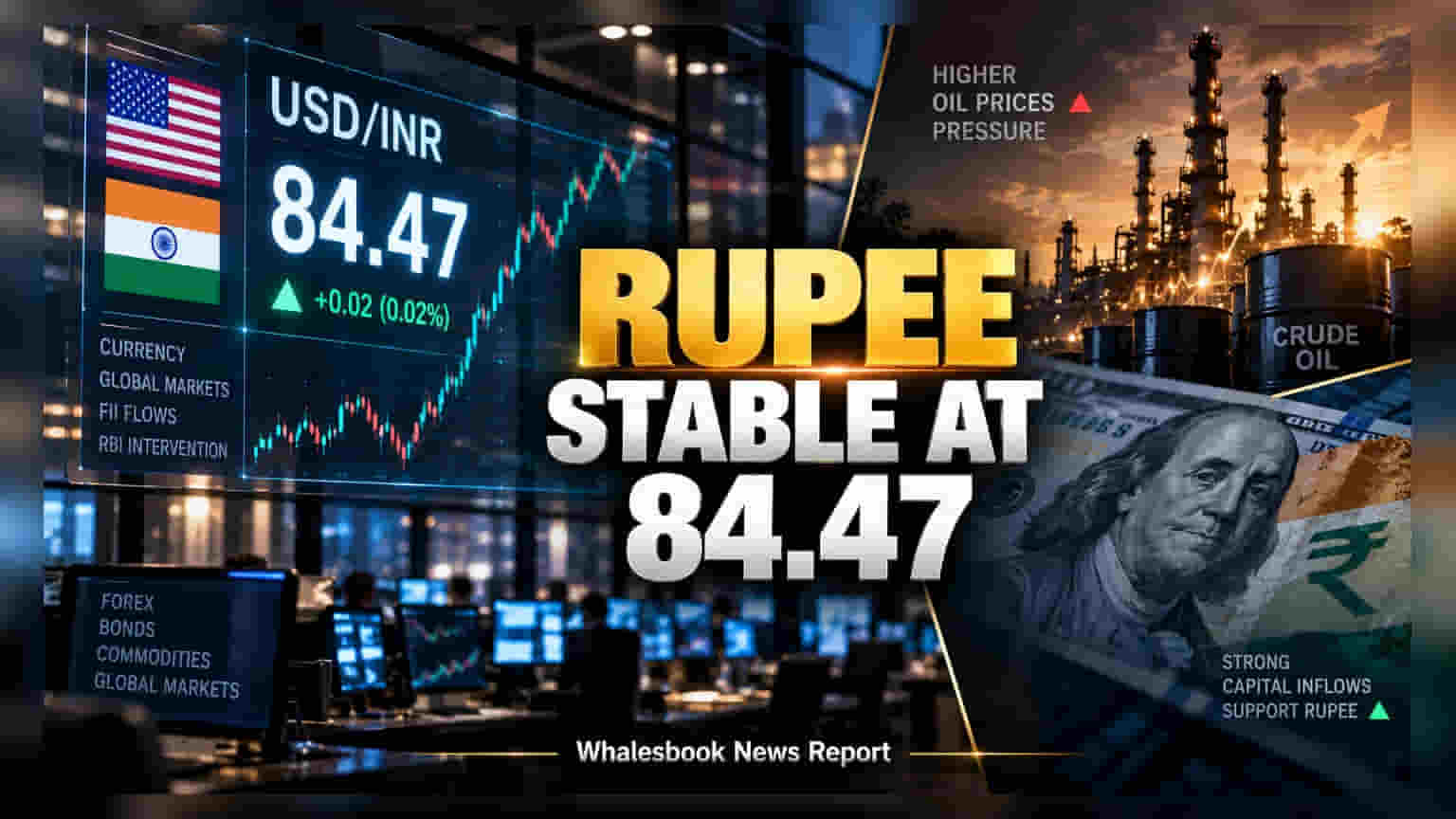
The Indian rupee opened in the 94.55–94.60 range against the US dollar on September 4, 2026, after closing at 94.4850 the previous day. Sustained high crude oil prices are pressuring the currency, though RBI intervention and significant foreign currency inflows continue to offer support.
The Indian rupee began trading on September 4, 2026, in the 94.55–94.60 range against the US dollar. This opening follows a closing level of 94.4850 recorded on Thursday, September 3. The currency continues to navigate a complex environment shaped by global energy costs and shifts in international monetary policy.
Impact of Energy Costs
Crude oil prices remain a primary headwind for the domestic currency. As a major importer of energy, India faces increased demand for US dollars whenever global oil prices rise. This structural demand creates a constant pressure point, often making it difficult for the rupee to sustain upward momentum against the greenback. When oil prices remain elevated, the cost of the nation's import bill increases, which in turn influences the valuation of the rupee in foreign exchange markets.
RBI Intervention and Capital Inflows
The Reserve Bank of India continues to maintain an active presence in the currency market to manage volatility and prevent sharp, disorderly movements. The central bank's efforts are supported by robust capital inflows, including those from special foreign currency mobilization schemes that have surpassed $136 billion. These inflows serve as a vital buffer, helping to offset the pressure caused by higher import costs and maintaining stability in the broader financial system.
Global Factors and Future Outlook
Market participants are closely tracking several external factors that could dictate the rupee's trajectory in the near term. Expectations surrounding U.S. Federal Reserve interest rate policies are a major influence, as any shift in these policies can lead to fluctuations in U.S. Treasury yields and subsequent capital flows in or out of emerging markets. Additionally, ongoing geopolitical tensions, particularly in the Middle East, remain a persistent source of uncertainty for global investors. The stability of the rupee will likely depend on the balance between these global risks and the continued effectiveness of central bank management in curbing excessive volatility.