

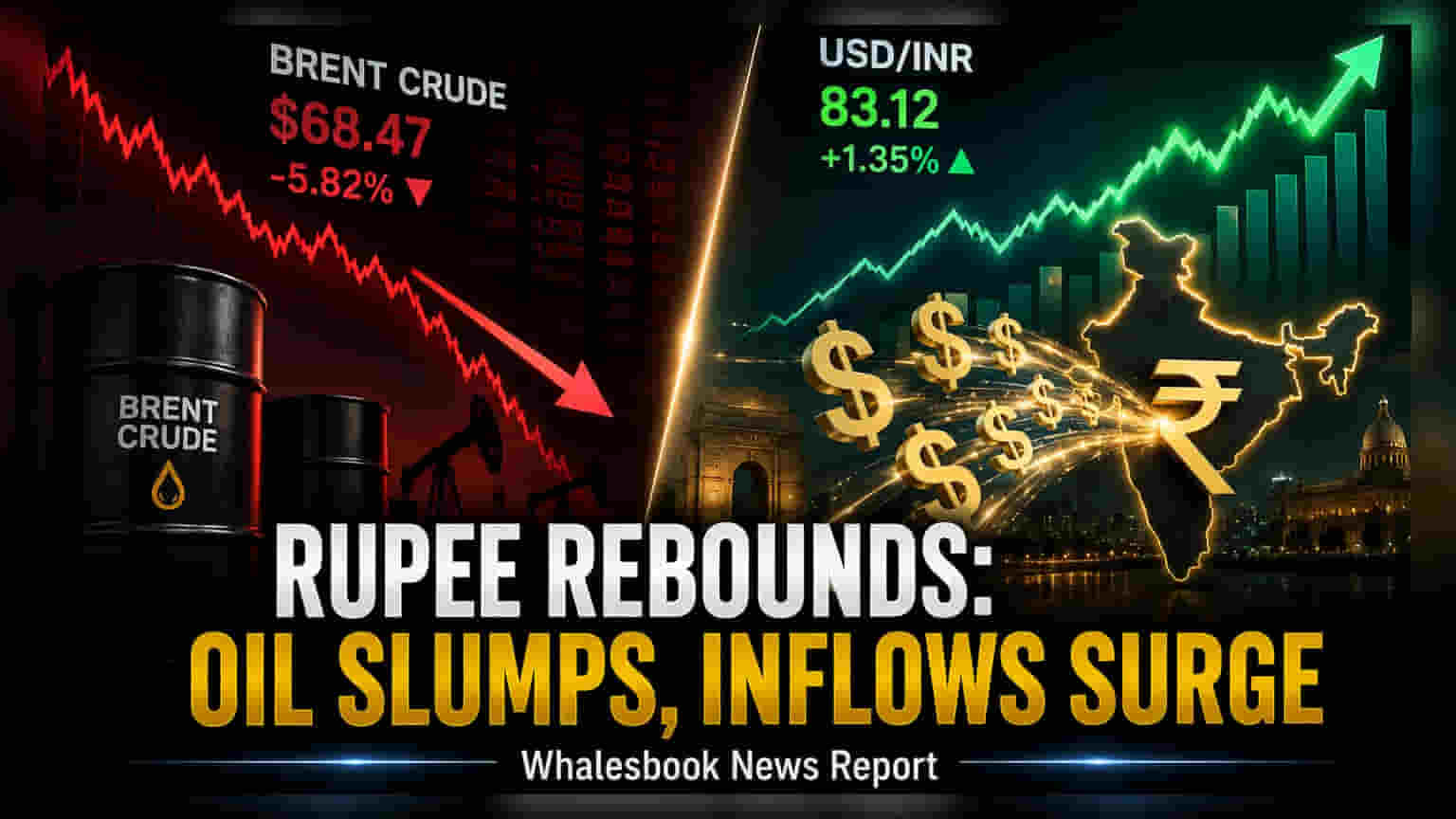
The Indian rupee is trading around 95.15 against the US dollar, supported by lower crude oil prices and significant foreign currency inflows. The Reserve Bank of India’s special swap facility has successfully attracted $40.8 billion, strengthening the country’s balance of payments. While these factors provide stability, investors should watch for potential risks from geopolitical tensions in the Persian Gulf and global energy price volatility.
The Indian rupee traded near 95.15 against the US dollar on Thursday, showing resilience as global market conditions shift. The currency is currently benefiting from two major factors: cooling crude oil prices and a substantial increase in foreign currency reserves.
The Role of $40.8 Billion Inflows
The Reserve Bank of India (RBI) has played a central role in this stability through its special swap facility. As of July 31, 2026, this initiative has attracted $40.816 billion in inflows. A large portion of this capital has come through Foreign Currency Non-Resident (FCNR) deposits, which are essentially long-term funds brought into the system. By increasing the supply of dollars, these inflows help strengthen India's balance of payments, providing a buffer against the usual pressure that can lead to currency depreciation.
Oil Prices and Global Factors
Another key support for the rupee is the price of Brent crude, which has remained below $80 per barrel. Since India is a major importer of oil, lower global prices are beneficial because they reduce the amount of dollars the country needs to spend on imports. This lower demand for dollars helps keep the rupee steadier. The current geopolitical environment, influenced by hopes for a peace agreement involving the US and Iran, has helped prevent sharp spikes in energy costs.
Risks and Monitorables
Despite the current stability, the economic environment remains complex. The RBI has maintained a repo rate of 5.25% in its August 2026 policy meeting, balancing the need to control inflation with a target of 6.7% GDP growth for the fiscal year.
However, significant risks remain. The ongoing tensions between the US and Iran are a critical concern for energy markets. If geopolitical conditions in the Persian Gulf deteriorate, supply chains could be disrupted, causing a sharp rise in oil prices. Such an event would increase the cost of India's imports and put renewed pressure on the rupee. Additionally, global liquidity conditions can change quickly, affecting how money flows into emerging markets. For now, investors should continue to track oil price movements, geopolitical updates in the Middle East, and any changes in the RBI's stance on inflation as these will be the primary factors determining the rupee's path in the near term.