 Whalesbook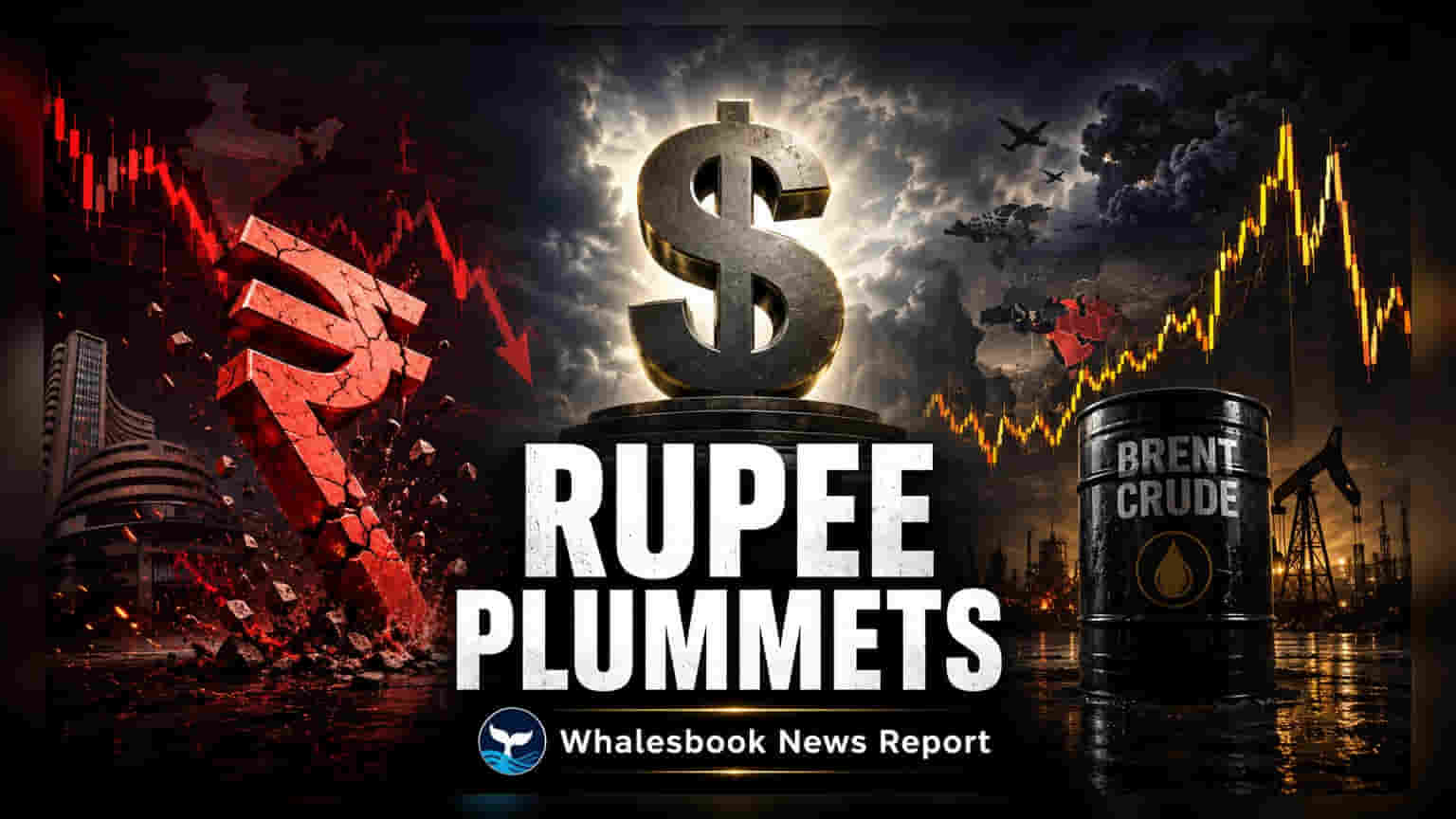


Currency Weakness Tied to Oil Costs
The Indian rupee's current struggles highlight a major economic challenge: India's heavy reliance on imported energy. Trading near 95.80 against the U.S. dollar, the currency is directly impacted by stubbornly high Brent crude oil prices. Since India imports about 85% of its oil, rising prices act like a tax, widening the trade deficit and increasing the need for dollars. The Reserve Bank of India holds over $650 billion in foreign exchange reserves, but its approach has been to manage the rupee's decline rather than fix its value. This strategy leaves the currency exposed to global dollar strength and risks from geopolitical events.
RBI Policy Debate Amid Investor Outflows
Attention is now focused on the Reserve Bank of India's Monetary Policy Committee meeting from June 3-5. Economists are divided on the next move. Some believe inflation risks from commodity prices and a weaker rupee warrant a 50-basis-point increase in the repo rate. Others expect the RBI to hold rates steady, arguing that current price pressures stem from global supply issues, not domestic demand. Analysts caution that raising rates too soon could harm economic growth, which is sensitive to borrowing costs. Meanwhile, foreign investors have sold over Rs 2 lakh crore in Indian equities this year, signaling a cautious global outlook. While domestic investors are buying, the market's dependence on local support to offset foreign selling creates an unstable balance.
Structural Risks and Economic Headwinds
Investors are concerned about potential widespread inflation if fuel prices continue to climb. If conflict in the Strait of Hormuz pushes crude oil prices sustainably above $100 per barrel, the government's finances could be severely strained. Higher energy costs might force increased spending on fertilizer and fuel subsidies, jeopardizing fiscal targets. The combination of high bond yields and a weakening rupee could force the RBI into a difficult choice: raise rates aggressively to support the currency, risking economic growth, or allow further depreciation, worsening imported inflation. Historical data from 2011-2013 shows that prolonged periods of high oil prices and slow reforms led to significant currency devaluation and required emergency monetary tightening.
Outlook Tied to Regional Stability
Future market movements heavily depend on diplomatic progress in West Asia. Any signs of de-escalation could ease pressure on energy prices and help the rupee stabilize. However, until there is more clarity on the duration of supply disruptions, currency volatility is likely to continue. The upcoming RBI policy statement will be a key indicator of whether the central bank prioritizes economic growth or adopts a more aggressive stance to stabilize the currency.